About this image
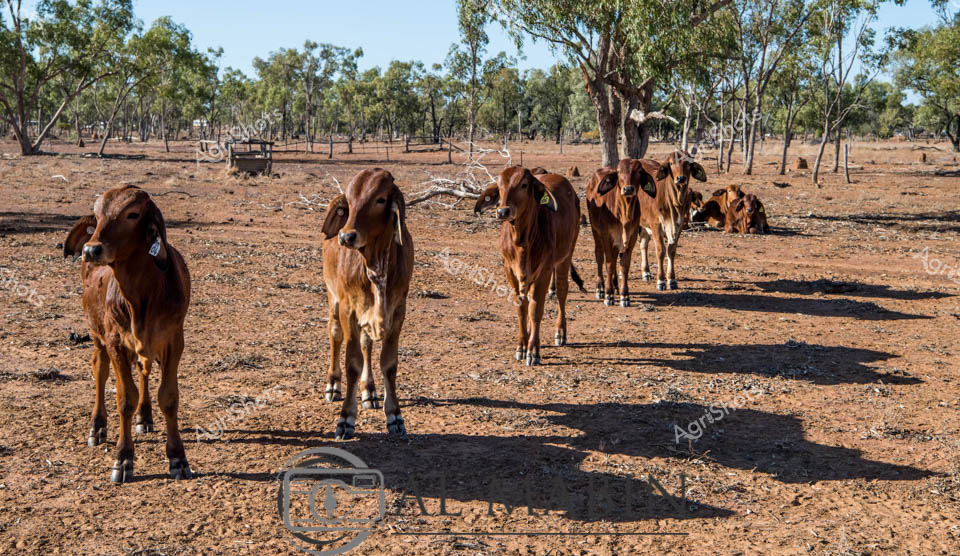
Brahman-cross beef calves cast long shadows across the baked red earth of a Queensland cattle station, their chestnut-colored hides gleaming in the harsh midday sunlight. Scattered eucalyptus trees punctuate the sparse, dry landscape, providing minimal shade for the young herd. These robust cattle, typical of northern Australian pastoral operations, stand quietly in the unforgiving paddock, their muscular frames testament to generations of breeding for heat tolerance and resilience. The dry season landscape reveals compacted, dusty ground with sparse ground cover - a challenging environment that demands hardy livestock and skilled station management. Ear tags indicate these are carefully tracked animals, part of a sophisticated modern cattle production system that balances traditional agricultural practices with contemporary animal husbandry techniques. The scene captures the essence of extensive beef production in remote Australia: resilient animals, vast unfenced horizons, and the stark beauty of a landscape that demands adaptation and strength. Each calf represents a carefully managed asset in a complex agricultural ecosystem, where survival depends on genetic selection, strategic grazing, and intimate knowledge of challenging environmental conditions.
Similar media
 Image
Image
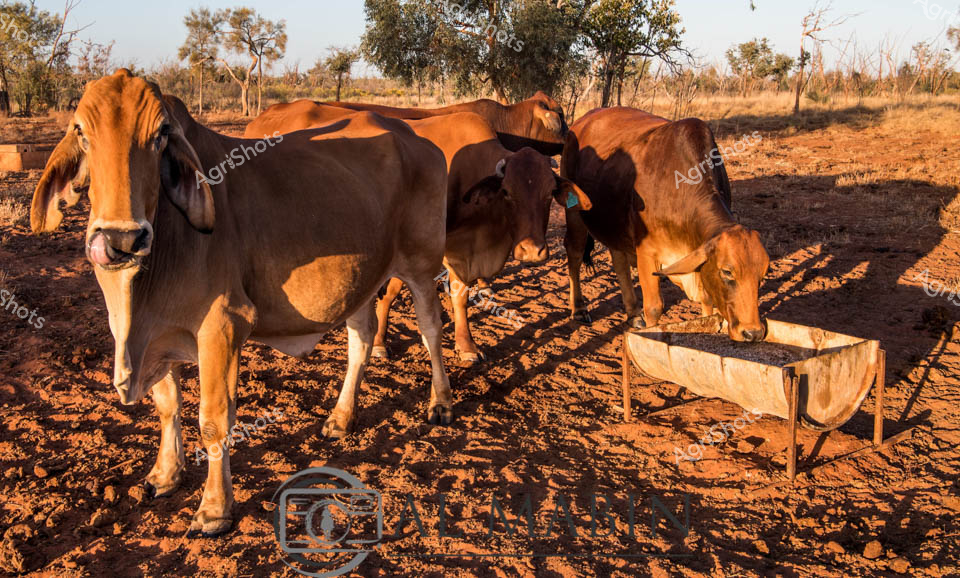
Brahman cattle cluster around a weathered feed trough on a scorching Queensland station, their burnished copper and chestnut coats gleaming against the sun-baked ochre earth. The arid landscape stretches behind them, dotted with sparse eucalyptus and acacia trees, their branches casting long shadows across the dusty ground. These resilient Brahman crossbreeds, renowned for their heat tolerance and adaptability, stand steadily in the golden late afternoon light, some drinking from the trough while others survey the rugged pastoral terrain. Their muscular frames and distinctive large ears reflect generations of breeding designed to thrive in Australia's challenging northern agricultural regions. The scene captures the raw essence of outback cattle farming - a testament to agricultural endurance where livestock and landscape merge in a timeless, unforgiving environment. Rich textures of dry soil, weathered metal, and sleek animal hides create a composition that speaks to the hardy spirit of rural Queensland.
 Image
Image
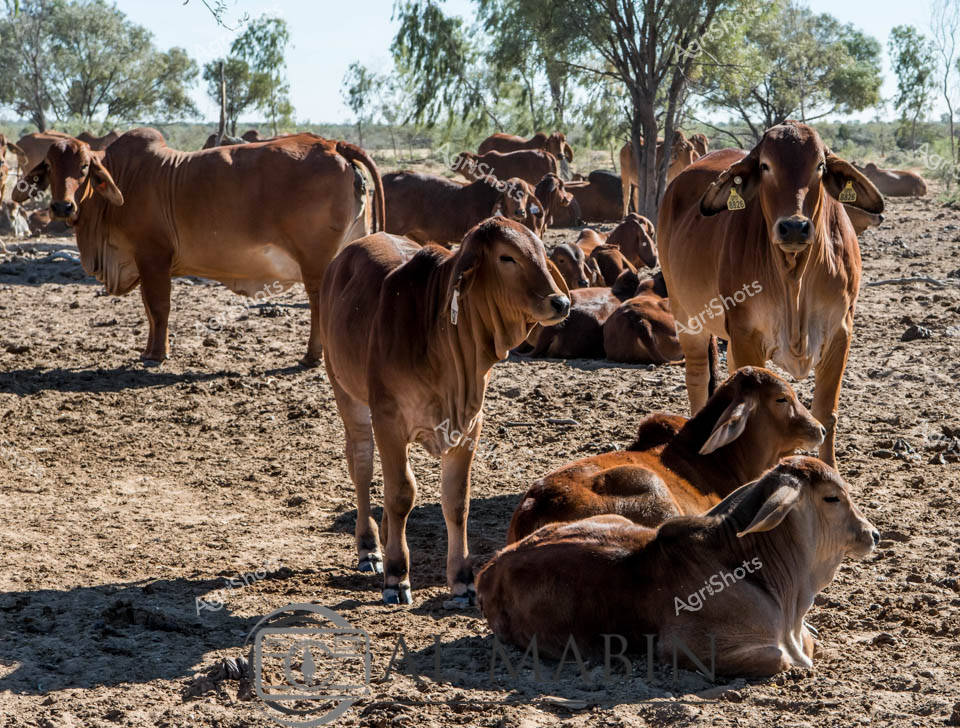
Brahman cattle cluster in the harsh, sun-baked landscape of a Queensland cattle station, their rich reddish-brown coats contrasting against the dusty, pale earth. Muscular cows and calves stand and rest across the barren paddock, with sparse gum trees providing minimal shade in the unforgiving outback environment. The distinctive large ears and loose skin of the Brahman breed - renowned for their heat and pest resistance - are clearly visible, showcasing why these cattle are perfectly adapted to Australia's challenging northern pastoral regions. Several cattle wear ear tags, indicating this is likely a managed breeding herd, with young calves suggesting an active reproductive program. The dry, compacted ground and sparse vegetation reveal the challenging conditions these resilient animals endure, highlighting the skill of Australian cattle producers in maintaining livestock in extreme environments. The scene captures the essence of extensive cattle farming - a testament to agricultural innovation and survival in one of the world's most demanding agricultural landscapes.
 Image
Image
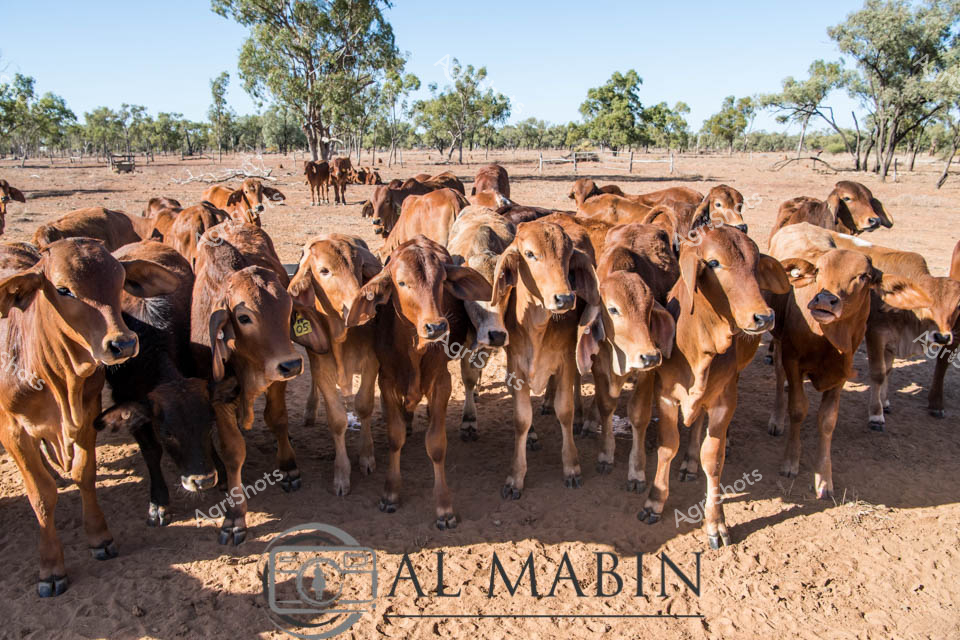
Droves of rich auburn Droughtmaster cattle cluster together in the dusty, sun-drenched paddock of a remote Queensland cattle station. These robust, heat-tolerant beef cattle, with their distinctive reddish-brown coats, stand closely grouped against the stark, arid landscape of sparse eucalyptus trees and baked earth. Numbered ear tags glint in the harsh midday sunlight, marking each animal as part of a carefully managed herd. The sparse woodland backdrop and parched ground reveal the challenging environmental conditions of northern Australian cattle country, where resilient livestock and skilled station management are essential for survival. The tight clustering of the young cattle communicates a sense of collective strength and adaptation, embodying the spirit of survival in the unforgiving Australian outback.
 Image
Image
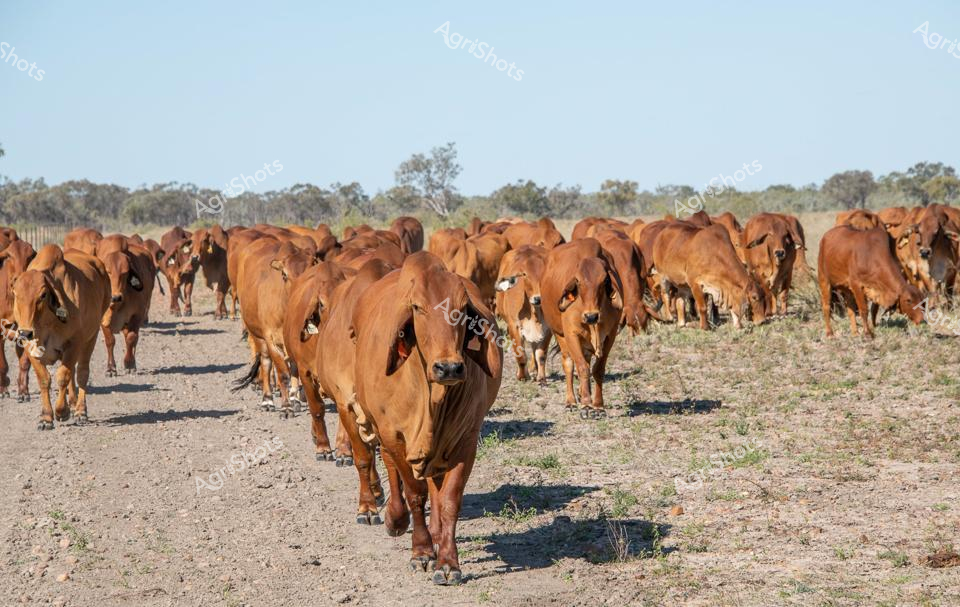
A golden herd of Brahman cattle traverses a sun-drenched pastoral landscape in central Queensland, their rich copper-red coats gleaming against the dusty earth and sparse grassland. These hardy cattle, renowned for their distinctive large humps and loose skin, move with purposeful synchronicity along a well-worn stock route, casting long shadows in the harsh midday light. The landscape speaks of resilience - sparse eucalyptus trees dot the distant horizon, while the dry ground tells of challenging agricultural conditions that these adaptable cattle are bred to endure. Each animal displays the classic Brahman characteristics - prominent ears, muscular frames, and a robust constitution that makes them ideal for Australia's challenging tropical and subtropical environments. The herd moves with a collective purpose, representing generations of careful breeding and agricultural expertise that underpins Queensland's significant beef production industry. This scene captures the essence of Australian cattle farming - a delicate balance of animal husbandry, environmental adaptation, and generational agricultural knowledge.
 Image
Image
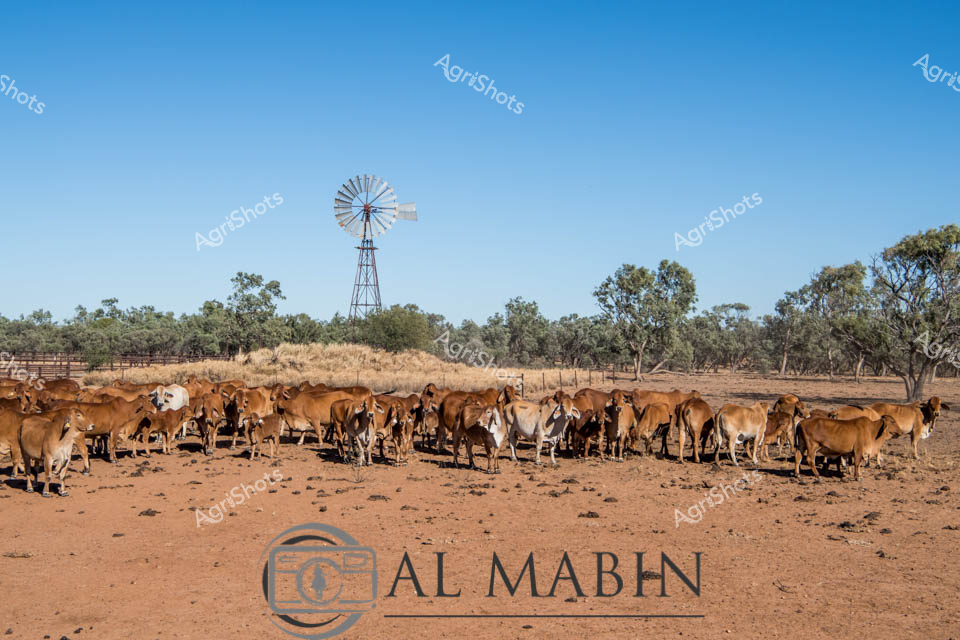
Burnished copper and warm chestnut Brahman cattle cluster tightly in the red earth paddock, their distinctive humped shoulders and loose skin reflecting generations of adaptation to Australia's harsh northern landscapes. A classic windmill towers overhead, its steel blades gleaming against the crystalline azure sky, symbolizing generations of pastoral innovation in Queensland's arid agricultural regions. Sparse eucalyptus trees punctuate the background, casting minimal shade across the dusty station landscape, while the tightly grouped herd suggests careful livestock management typical of professional cattle breeding operations. The compact mob of cattle - predominantly rich reddish-brown with occasional white markings - demonstrates the resilience of Brahman breeds, perfectly evolved to survive in challenging subtropical environments with minimal water and intense solar exposure. This scene captures the essence of Australian extensive cattle farming: a delicate balance of environmental adaptation, genetic selection, and pragmatic agricultural practice set against an unforgivingly beautiful inland backdrop. The windmill stands as a silent sentinel, a testament to generational agricultural wisdom and technological ingenuity in transforming marginal lands into productive pastoral ecosystems.
 Image
Image
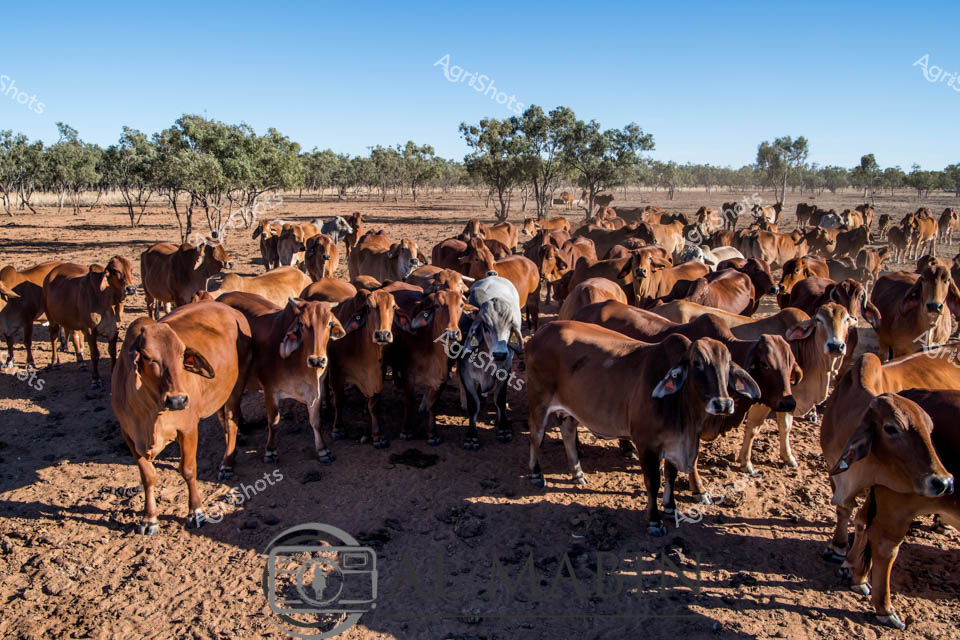
Australian Brahman cattle cluster tightly across a sun-baked paddock, their rich copper and chestnut hides gleaming against the dusty, ochre landscape of a classic Queensland cattle station. Scattered eucalyptus trees provide minimal shade across the sparse, arid terrain, creating a quintessential outback pastoral scene under a cloudless azure sky. The herd - predominantly featuring the distinctive Brahman breed with their characteristic humps and loose skin - stands clustered together, showcasing the resilience of these cattle specifically bred to thrive in challenging tropical and subtropical environments. One white-coated animal stands out among the predominantly reddish-brown mob, highlighting the genetic diversity within this robust breed. The dry ground and sparse vegetation tell a story of persistent drought conditions, yet the cattle appear hardy and well-managed, a testament to Australian agricultural expertise in maintaining livestock in extreme conditions. This image captures the raw, unfiltered essence of northern Australian cattle production - a landscape of endurance, adaptation, and agricultural skill.
 Image
Image
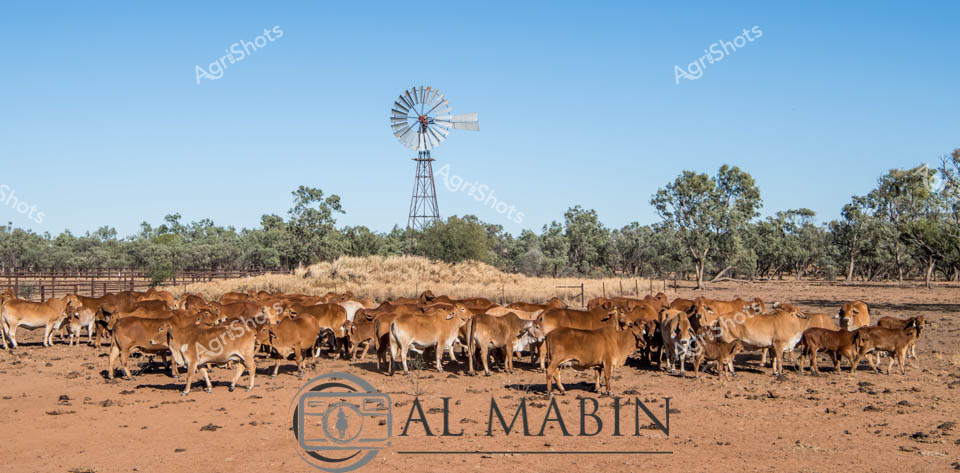
Brahman cattle cluster beneath an iconic windmill on a sun-drenched Queensland cattle station, the rusty earth and sparse vegetation telling a story of resilience in Australia's challenging pastoral landscape. A herd of rich, tawny-colored Brahman cattle, renowned for their distinctive humps and heat-tolerance, congregate in a dusty paddock surrounded by weathered gum trees and sparse scrubland. The classic steel windmill stands tall against a crystalline blue sky, a testament to generations of agricultural innovation in outback farming. These robust cattle, with their loose skin and prominent ears, represent a breed perfectly adapted to the harsh subtropical environment, their muscular bodies a living representation of agricultural endurance. The scene breathes with the quiet intensity of rural Australia - a landscape of survival, strength, and the ongoing dialogue between livestock, land, and human persistence.
 Image
Image
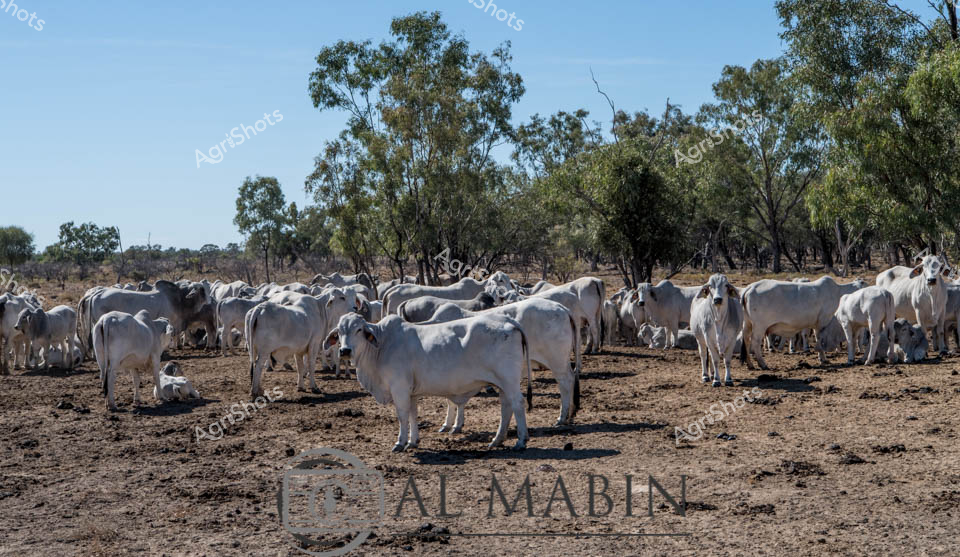
Brahman cattle cluster across the dusty paddock of a Queensland cattle station, their distinctive pale grey-white coats standing out against the dry earth and scattered eucalyptus woodland. These robust cattle, renowned for their heat tolerance and resilience, represent a quintessential scene of northern Australian beef production. The herd stands in tight formation, their muscular bodies casting long shadows in the harsh midday sunlight, surrounded by a landscape of sparse grassland and weathered gum trees. Each animal displays the breed's characteristic fatty hump and loose skin - adaptations that enable survival in challenging tropical environments. The ground is parched and compact, telling a story of challenging dry season conditions that test the endurance of both livestock and land. This image captures the essence of pastoral Australia - a testament to agricultural persistence, breed specialization, and the intricate relationship between cattle, landscape, and agricultural management in one of the world's most demanding farming environments.