
About this image
A weathered stone wall reveals a rich tapestry of geological strata, showcasing the rugged beauty of natural stone construction. Layers of russet, slate, and earth-toned rocks are meticulously stacked, creating a textural masterpiece that speaks to the artisanal craft of stonework. Each stone tells a story of geological time, with irregular shapes and varying hues creating a complex visual landscape that captures the essence of rural Australian craftsmanship. The stones interlock with remarkable precision, demonstrating the skill of stonemasons who transform raw geological material into functional architectural elements. The intricate texture and natural color palette evoke the timeless connection between Australian agricultural environments and the raw materials of the landscape.
Similar media
 Image
Image
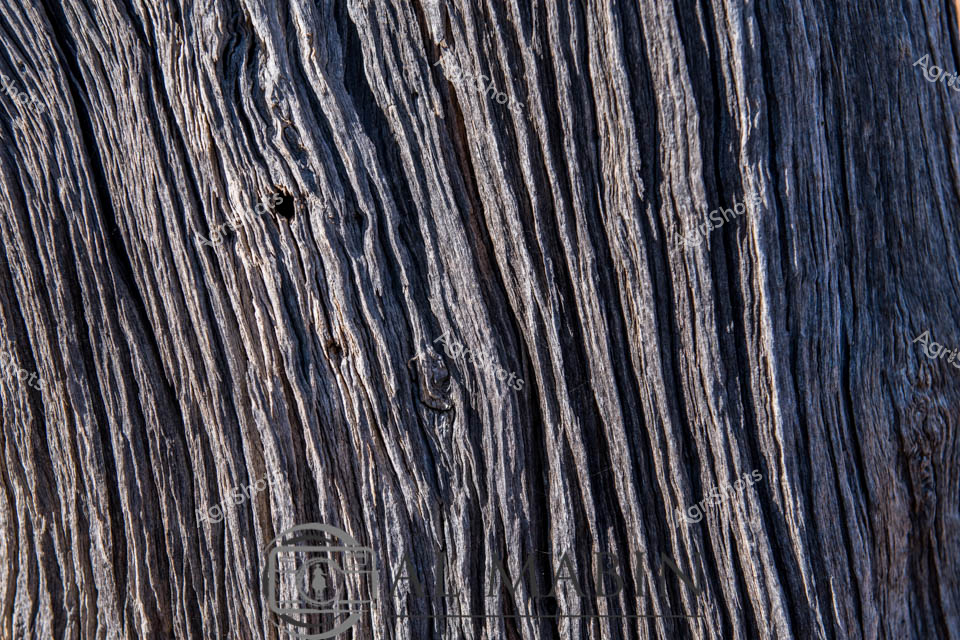
Close-up weathered timber bark texture in rich charcoal greys and silvery highlights, revealing intricate vertical striations and deep fissures characteristic of aged eucalyptus or hardwood. The surface tells a story of endurance, with each undulating groove and weathered line capturing decades of Australian environmental exposure - sun-scorched summers, windswept winters, and persistent elemental challenges. Subtle variations in tone create a mesmerizing natural pattern, reminiscent of the rugged landscape's resilience and quiet strength. Organic imperfections and deep textural complexity speak to the raw beauty of Australian rural environments, where natural materials bear witness to persistent environmental conditions. The image captures an intimate, almost abstract representation of timber's natural aging process, transforming a simple bark surface into a compelling narrative of survival and quiet beauty.
 Image
Image
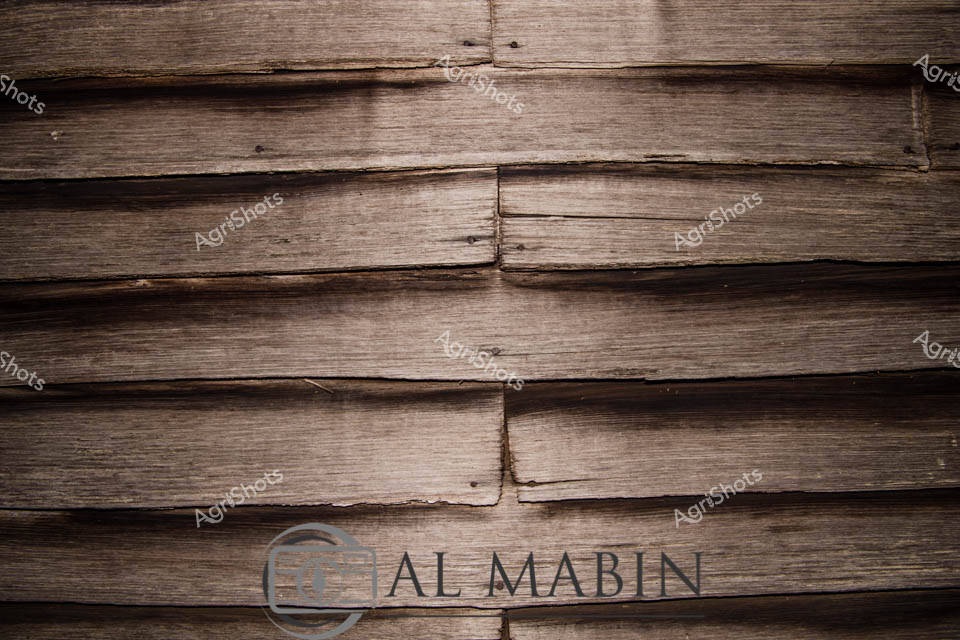
Weathered wooden planks create a rustic texture pattern, showcasing the natural aging and character of timber construction materials. The horizontal boards display rich brown tones with visible grain patterns, gaps, and weathering that speaks to years of exposure to Tasmania's elements. Deep shadows between the planks emphasize the dimensional quality of this traditional building material, commonly found in rural agricultural structures across the island state.
 Image
Image
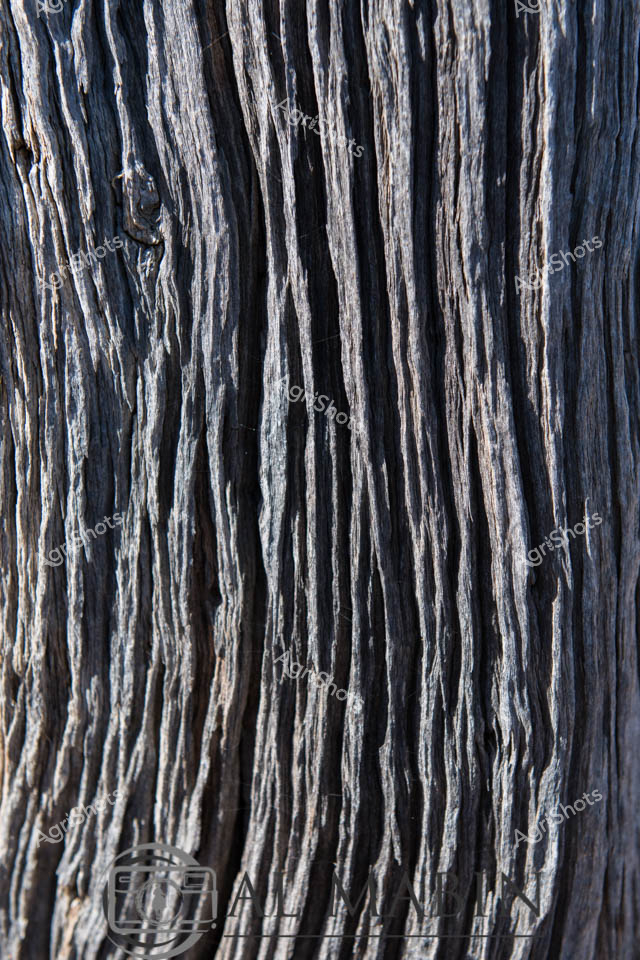
Weathered Tree Bark Texture Intricate striations of silvered bark cascade vertically, revealing the profound age and resilience of an ancient tree. Deep charcoal-grey fissures slice between weathered ridges, each line telling a story of endurance through harsh Australian landscapes. The bark's textural complexity captures the raw, elemental quality of outback vegetation - a testament to survival in challenging climatic conditions. Silvery-grey tones blend and contrast, creating a natural abstraction that speaks to the patient transformation of living timber through decades of scorching sun, intermittent rainfall, and windswept environments. Light plays across the bark's rugged surface, highlighting subtle variations in texture and creating a mesmerizing topographical landscape of natural patterns. This intimate close-up transforms a simple tree trunk into a powerful narrative of botanical resilience, quintessentially representative of Australia's robust natural environments.
 Image
Image
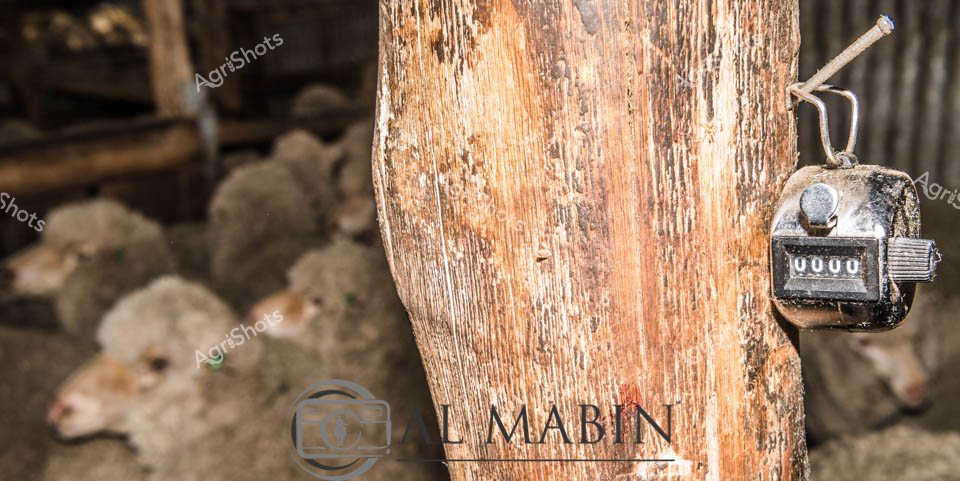
Weathered timber and industrial precision converge in this quintessential Australian wool production scene. A vintage mechanical tally counter sits mounted on a heavily grained wooden post, its pristine mechanism contrasting against the raw, textured surface of the shearing shed wall. Soft-fleeced Merino sheep huddle in the background, their pale woolen coats blending with the muted, earthy tones of the rustic environment. The counter stands poised to track each sheep processed, a silent witness to the rhythmic labor of shearing that has sustained rural economies for generations. Light filters softly through the shed, casting subtle shadows that accentuate the tactile surfaces of wood and wool. This image captures the methodical, time-honored choreography of Australian sheep farming - a delicate balance of technological efficiency and traditional craft that has defined the nation's agricultural heritage.
 Image
Image
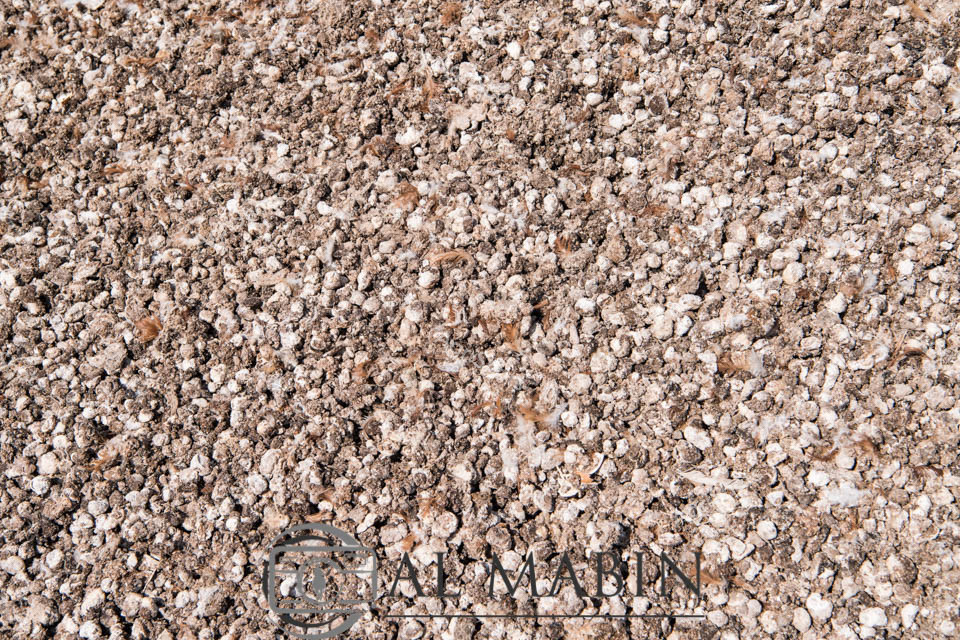
This image appears to be a close-up texture shot of granular material, most likely a type of agricultural or landscaping aggregate. The surface is densely packed with small, irregular stones and pebbles in varying shades of white, beige, and light brown, creating a complex and textured appearance. The aggregate seems uniformly distributed, with a mix of sizes ranging from fine gravel to small stones, suggesting this could be a construction or landscaping material like crushed granite, limestone, or decorative stone used in agricultural settings such as drainage areas, garden paths, or land stabilization. The texture is rough and uneven, with each particle casting subtle shadows that add depth and dimensionality to the surface.
 ▶ Video
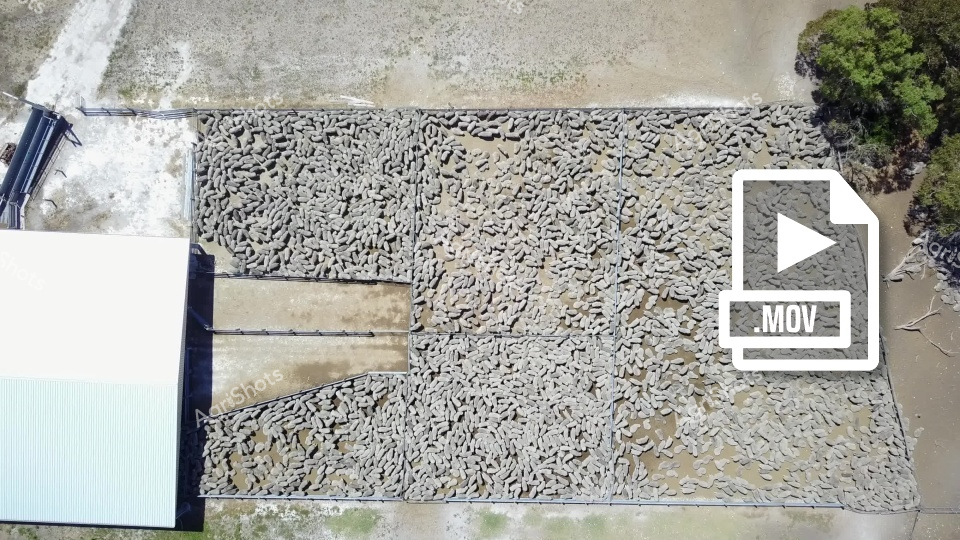
An aerial view of a large area covered in gray, pebble-like objects arranged in an irregular pattern. The image shows what appears to be a storage or processing area with concrete sections and surrounding vegetation. The ground is densely packed with small, uniform stones or similar materials, creating a textured landscape viewed from above.
 Image
Image
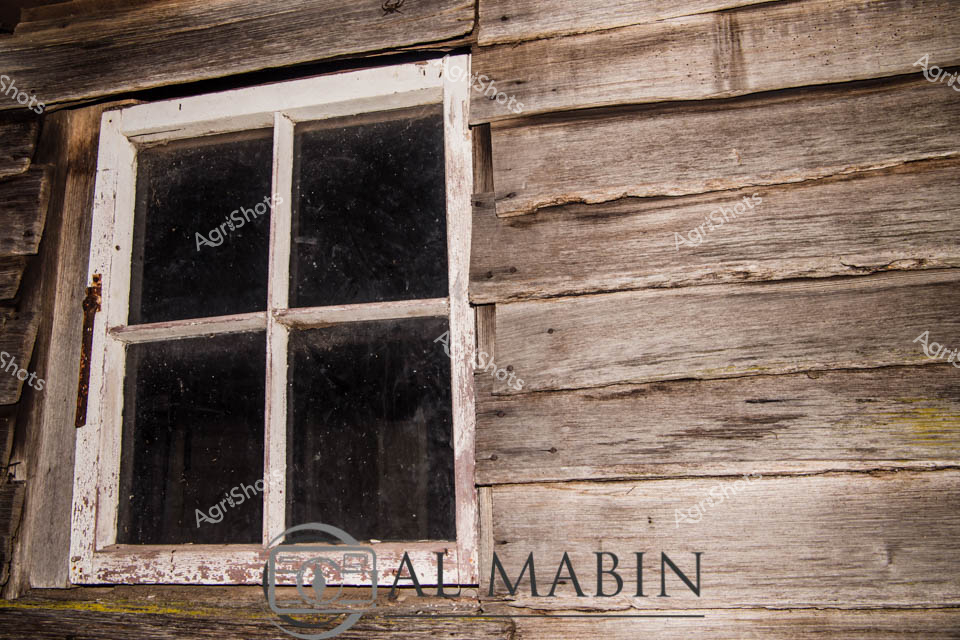
Weathered timber and aged window frame reveal the quiet resilience of rural Tasmanian architecture. Silvered wooden boards, softened by decades of wind and weathering, create a textural canvas of muted greys and subtle earth tones. The four-paned window, painted white but now chipped and faded, stands as a testament to the enduring craftsmanship of early settler buildings. Moss-tinged edges and subtle yellowed lichen accent the wooden surface, hinting at the moisture-rich Tasmanian climate that nurtures such organic detailing. This intimate architectural fragment captures the essence of rural heritage, where every weathered plank and peeling paint layer tells a story of survival, adaptation, and the unspoken history of agricultural communities.
 Image
Image
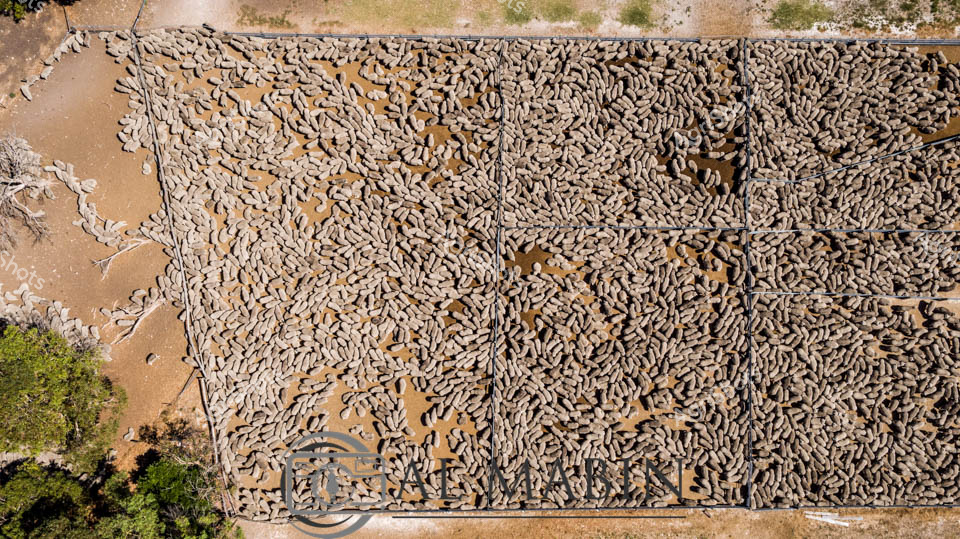
Aerial drone perspective of a densely packed sheep yard in rural South Australia, capturing hundreds of merino sheep tightly clustered within segmented concrete-bordered paddocks. The landscape surrounding the yards reveals dry, golden-brown earth tones contrasting with sparse green vegetation at the edges, indicating a late summer or early autumn setting during drought-like conditions. Precise geometric lines of the livestock holding pens demonstrate sophisticated agricultural infrastructure, allowing efficient movement and management of the woolshed's primary livestock asset. The sheep, predominantly uniform in their light cream to beige woolly coats, create a remarkable living texture that almost appears like a moving, breathing carpet across the angular yard divisions. Sunlight casts subtle shadows, highlighting the undulating mass of sheep bodies and creating a sense of contained energy waiting to be processed through the shearing operation. This image powerfully communicates the scale, organization, and systematic approach of modern Australian sheep farming, where technology and traditional agricultural practices intersect to manage large livestock herds with precision and efficiency.