About this image
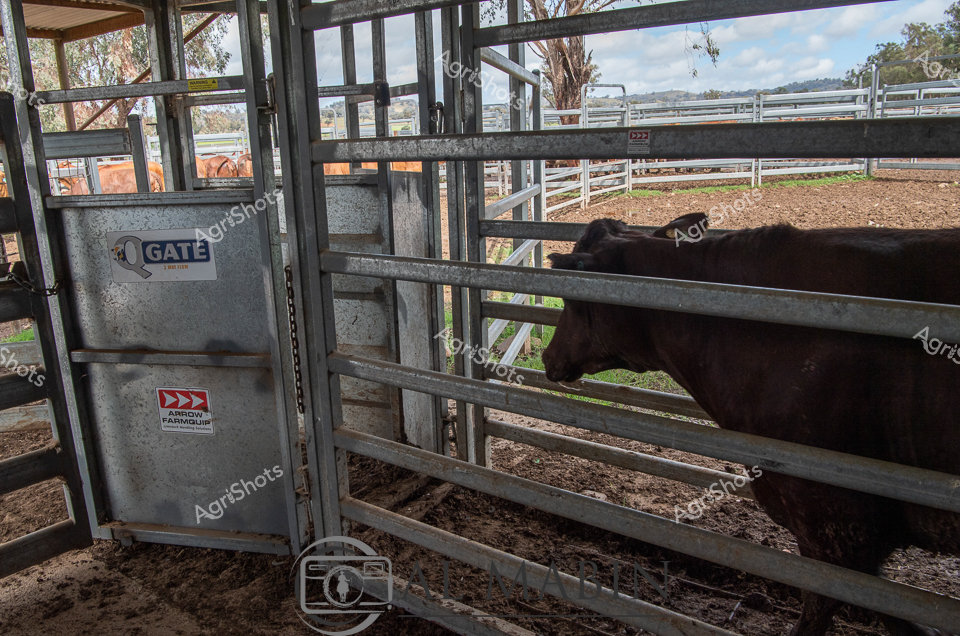
Robust steel cattle drafting gate stands resolute in a rural New South Wales livestock holding yard, with a dark-coated beef cattle strategically positioned within the galvanized metal gate system. The meticulously engineered gate - branded with prominent "GATE" and directional signage - represents cutting-edge agricultural infrastructure designed for efficient livestock management. Surrounding eucalyptus trees frame the pastoral landscape, their muted greens and browns complementing the industrial metalwork of the cattle handling equipment. Soft morning light filters across the paddock, casting subtle shadows on the compacted earth and highlighting the precision engineering of the agricultural technology. This scene captures the intersection of modern farming practice and traditional rural landscape, where sophisticated livestock handling systems enable farmers to move and manage cattle with minimal stress and maximum efficiency. The gate's robust construction and strategic design exemplify Australian agricultural innovation, showcasing how sophisticated technology supports the nation's critical beef production industry.
Similar media
 Image
Image
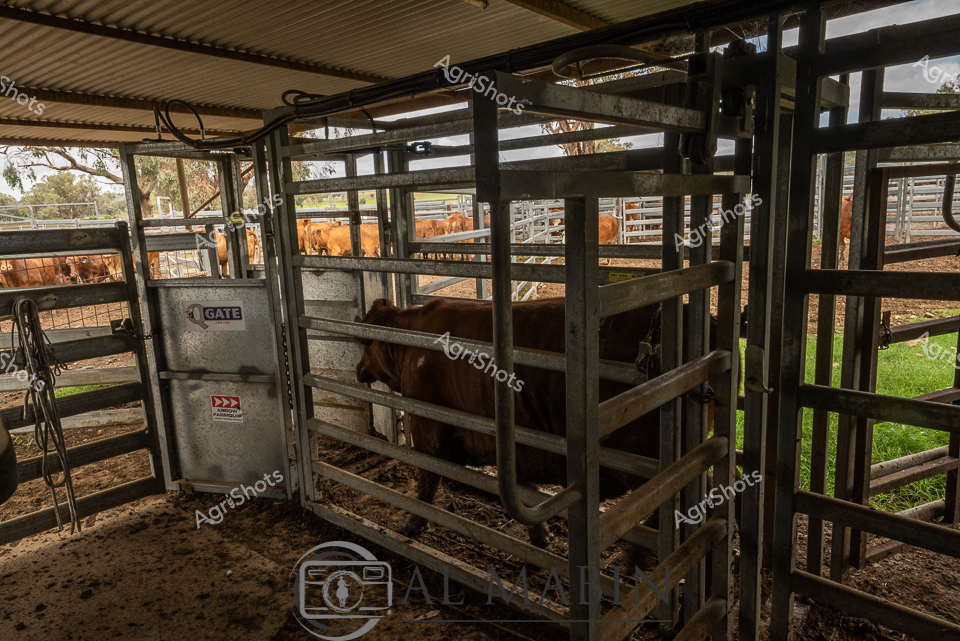
Robust steel cattle yards frame a strategic livestock management scene in rural New South Wales. A sophisticated metal gate and drafting system compartmentalizes reddish-brown beef cattle, enabling precise animal handling and movement between paddocks. Overhead, a corrugated iron roof provides shelter from harsh Australian sunlight, while wooden and metal fencing creates a structured processing environment typical of modern agricultural operations. The metallic gates and yard infrastructure showcase advanced farming technology designed for efficient stock management, with careful engineering allowing controlled animal movement and sorting. Warm afternoon light filters through the yard, casting gentle shadows across the dirt floor and highlighting the muscular forms of the cattle. This meticulously designed agricultural setting represents the intersection of traditional livestock farming and contemporary technological innovation, capturing the pragmatic and strategic approach of Australian cattle producers.
 Image
Image
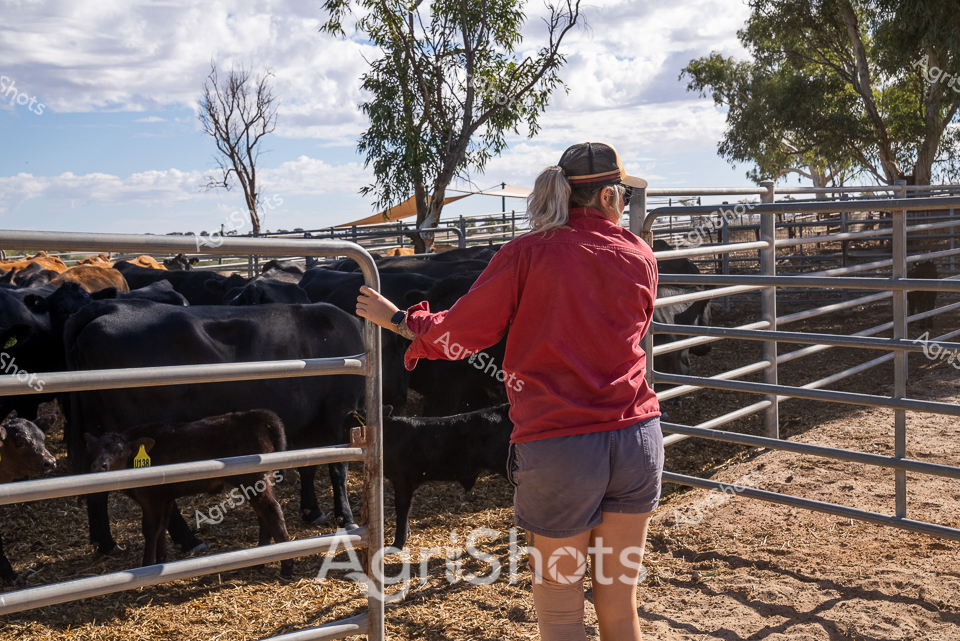
Wrapped in a vibrant red shirt and cap, a seasoned agricultural worker surveys a herd of black Angus cattle in a sun-drenched Western Australian cattle yards. Sturdy metal cattle yards create a structured environment, with weathered gum trees casting dappled shade across the dusty, straw-strewn ground. The late morning light highlights the sleek, muscular bodies of the cattle, their dark coats contrasting against the silvery metal fencing and pale, arid landscape. This scene captures the essence of modern beef production - a careful blend of animal husbandry, careful management, and agricultural expertise. The worker's confident stance and attentive posture reflect the skill and dedication required in livestock farming, representing the critical role of women in Australian agriculture. The expansive sky and scattered eucalyptus trees frame a quintessential rural Australian setting, where generations of farmers have worked to develop world-class beef production systems.
 Image
Image
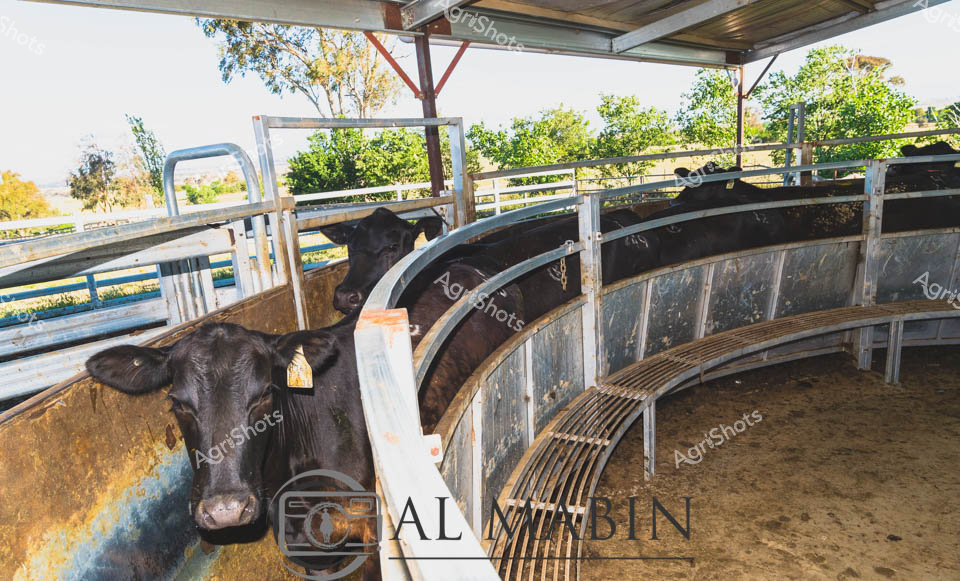
In the golden light of a temperate morning, a sleek black Angus cattle beast stands within a precisely engineered circular cattle yard, embodying the refined precision of modern Australian agricultural breeding practices. The curved metal and timber infrastructure of the yard suggests a state-of-the-art artificial insemination facility, likely situated in the rich pastoral landscapes of New South Wales. Soft morning sunlight filters through surrounding eucalyptus trees, casting gentle shadows on the meticulously maintained infrastructure and highlighting the deep, lustrous coat of the cattle. A yellow identification tag punctuates the animal's ear, signaling its importance in a carefully managed stud breeding program. The curved walkways and structural elements create a sense of controlled movement and scientific intentionality, reflecting the sophisticated approach to genetic selection in contemporary beef production. Every detail - from the weathered metal panels to the strategic design of the yard - speaks to the intersection of agricultural tradition and cutting-edge animal husbandry techniques that define modern Australian livestock management.
 Image
Image
Holstein dairy cows stand patiently in a steel-railed milking shed, their black and white coats marking them as classic Tasmanian dairy breed stock. Yellow identification tags - numbered 6009 and adjacent numbers - hang from their ears, tracking each animal in this carefully managed agricultural environment. The rotary dairy infrastructure surrounds them, with metal stanchions and curved rails holding the cows securely during milking operations. Straw and feed are visible on the floor, suggesting early morning feeding and preparation for the daily milking routine. Soft natural light filters through the shed's windows, highlighting the muscular flanks and calm demeanor of these productive livestock. The scene captures the methodical, industrial precision of modern dairy farming, where each animal is a carefully monitored component of a sophisticated agricultural system.
 Image
Image
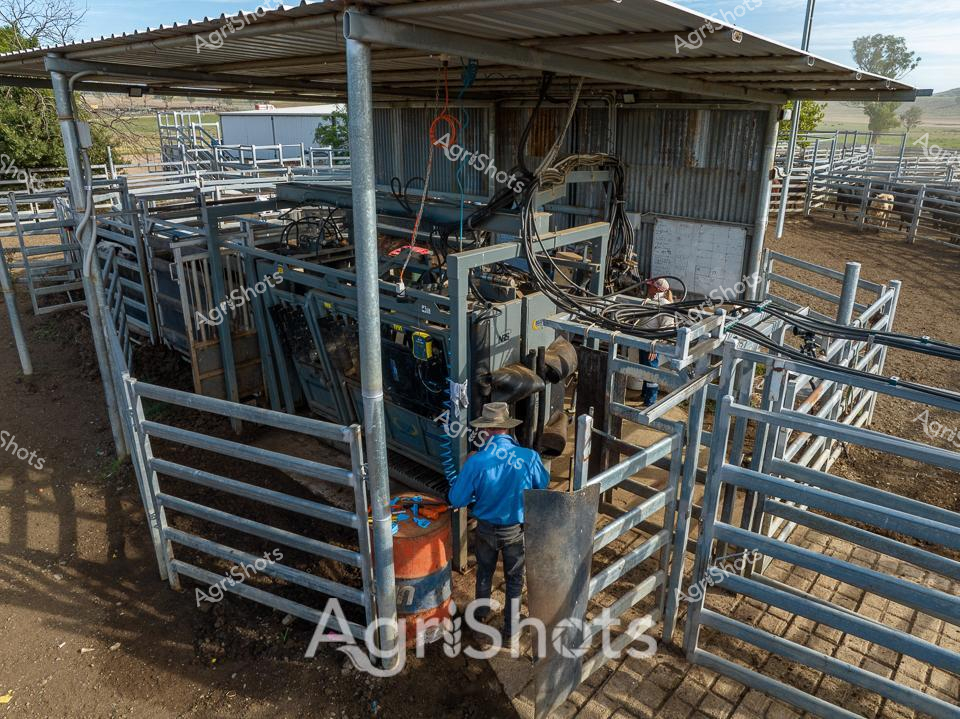
A stockworker in a bright blue shirt stands steadfast within a sophisticated livestock handling system, orchestrating the precise movement of cattle through a modern steel-framed processing yard. Corrugated iron sheets shelter the hydraulic cattle crush and surrounding metal gates, creating a functional workspace typical of progressive Australian cattle stations. Robust galvanized steel infrastructure surrounds the worker, suggesting meticulous animal management practices for what appears to be a high-quality Angus cattle operation in rural New South Wales. Mechanical hydraulic systems and carefully designed livestock handling equipment demonstrate the sophisticated approach to animal husbandry, combining technological innovation with traditional farming expertise. The early morning light casts long shadows across the dusty yard, highlighting the metallic blues and greys of the equipment against the earthy tones of the surrounding paddock. Every element of this scene speaks to the precision, professionalism, and technological advancement of contemporary Australian agricultural practices.
 Image
Image
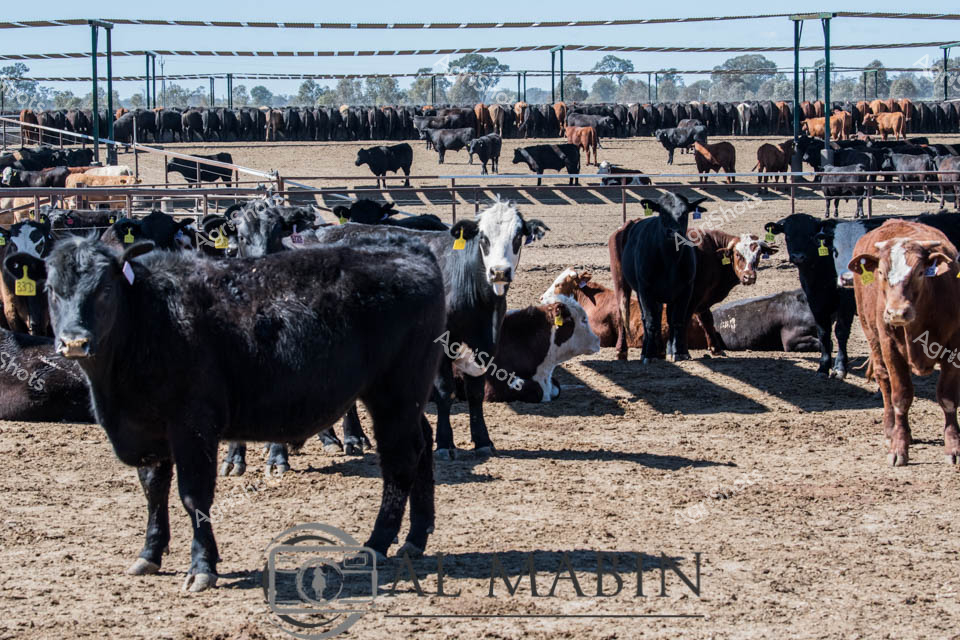
Angus and Santa Gertrudis cattle crowd a dusty feedlot under the harsh midday sun of rural New South Wales. Densely packed pens stretch across the arid landscape, with black and rich mahogany-colored cattle marked by distinctive yellow ear tags standing in tight clusters. Metal feeding infrastructure and sturdy steel rail fencing define the large-scale beef production environment, creating geometric lines and deep shadows across the compacted earth. Each animal displays the muscular build and sleek coat typical of carefully managed beef breeds, representing the precision of modern Australian agricultural practices. The cattle stand in various poses - some standing alert, others resting, all within a tightly controlled agricultural system designed for efficient protein production. The scene captures the industrial scale of contemporary beef farming, where carefully selected genetics, nutrition, and management converge to support Australia's significant livestock export industry.
 Image
Image
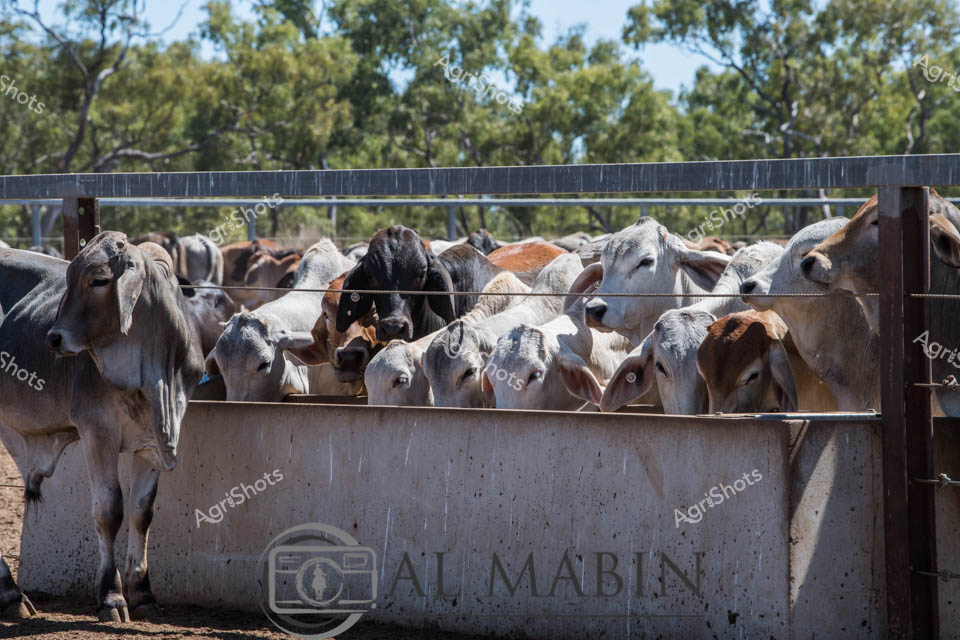
Brahman cattle cluster tightly within a concrete feeding pen at The expansive feedlot, their distinctive loose skin and prominent humps reflecting the robust genetics of Australia's northern cattle breeds. Soft greys, whites, and rich browns define the herd's varied coats, with animals pressing close against the steel railings under the dappled shade of eucalyptus trees. The midday sunlight casts sharp shadows across the dry, packed earthen ground, highlighting the muscular frames of these resilient beef cattle bred for tropical agricultural conditions. Predominantly Brahman and Brahman-cross animals demonstrate the breed's adaptability, their large ears and prominent dewlaps signaling genetic traits developed for heat tolerance in Queensland's challenging climate. Each animal stands alert yet calm, representing the careful management and genetic selection fundamental to modern Australian beef enterprises.
 Image
Image
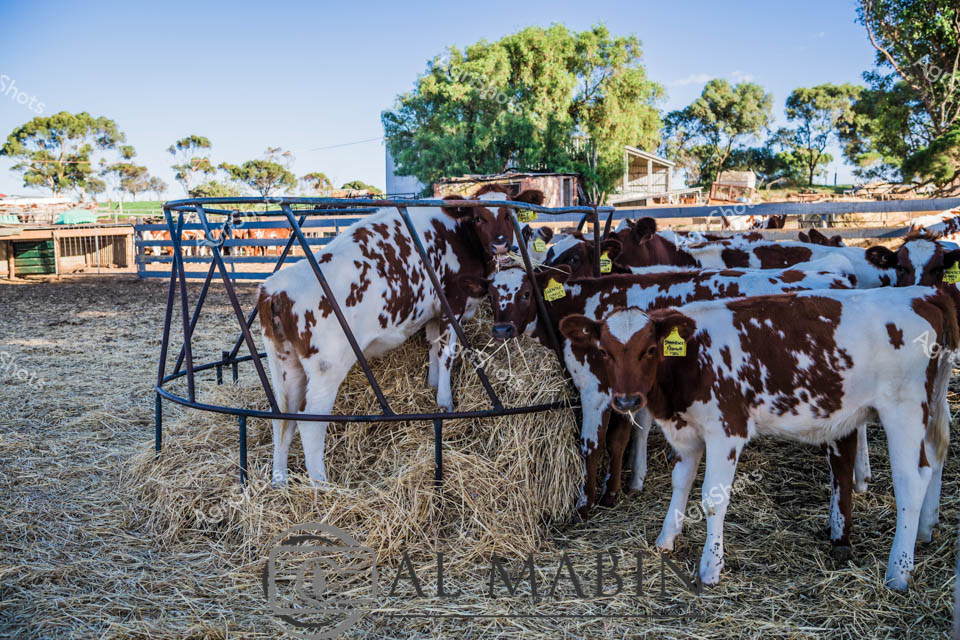
Ayrshire cattle cluster around a hay bale feeder in a sun-drenched South Australian dairy paddock, their distinctive rust-brown and white spotted coats creating a vibrant mosaic against the golden straw bedding. The metallic blue feeding frame provides structural contrast to the organic landscape, with scattered gum trees and rural infrastructure visible in the soft background. Each animal wears a bright yellow identification tag, marking them as part of a carefully managed herd in the productive Murraylands region. These young dairy cattle demonstrate the classic Ayrshire breed characteristics - muscular frames, alert expressions, and those striking bi-colored markings that make them instantly recognizable in Australian agricultural landscapes. Soft morning light bathes the scene, highlighting the textural details of dry grass, weathered timber structures, and the animals' glossy coats. This tableau captures the essence of modern Australian dairy farming: structured, efficient, yet intimately connected to the natural rhythms of rural life.