About this image
A large herd of black Angus cattle are lined up on a metal feeding rack, positioned across a textured ground with patches of grass and bare earth. The cattle are closely arranged in two rows, suggesting an organized feeding system typical of cattle management in the New England region of New South Wales. This appears to be a stud beef cattle operation, with the uniform black coloration indicating a purebred Angus herd.
Similar media
 ▶ Video
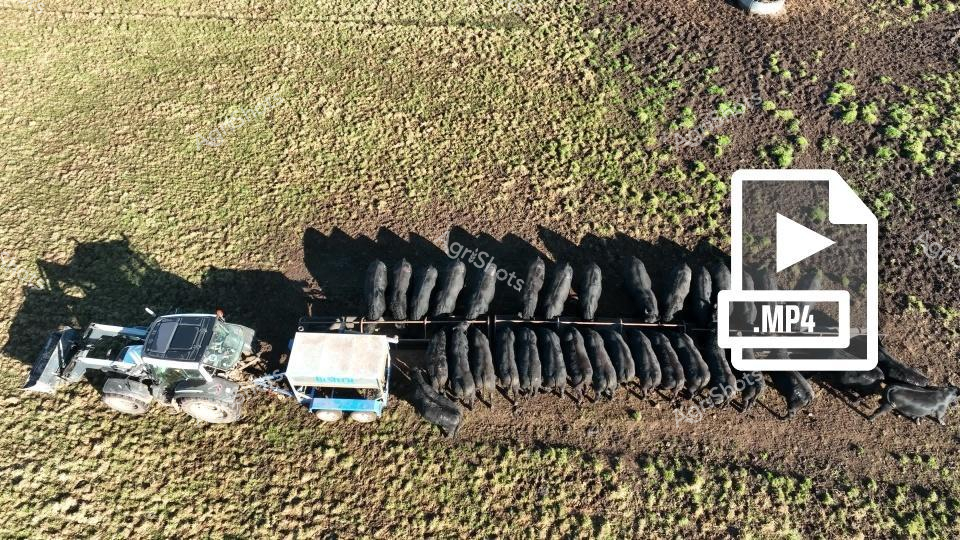
A drone-captured aerial view of a large herd of black Angus cattle lined up alongside farm equipment in a textured agricultural landscape. The cattle are densely packed in a long line on a partially vegetated field, with machinery parked nearby, suggesting a feeding or management activity in the New England region of New South Wales.
 Image
Image
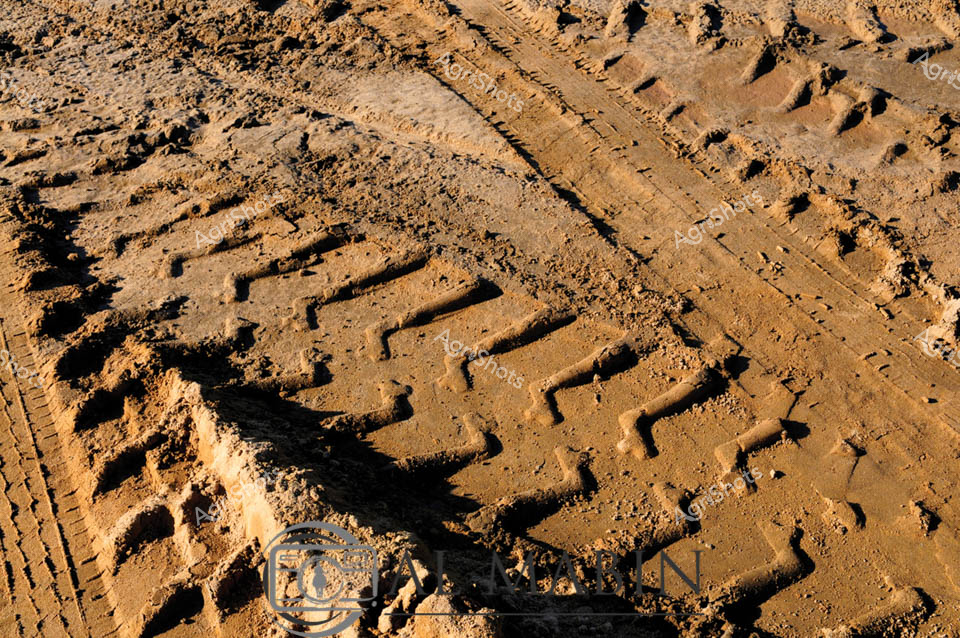
Deep tire tracks and boot prints create intricate patterns in the rich brown soil texture, revealing the heavy traffic of a droving operation along this stock route. The churned earth displays a complex web of impressions from cattle hooves, vehicle tires, and farm workers, creating a detailed record of livestock movement across the paddock. Shadows cast by the late afternoon sun accentuate the depth and texture of each impression in the compacted dirt surface. This weathered terrain showcases the intensive use typical of Australian cattle stations during mustering and droving activities.
 ▶ Video
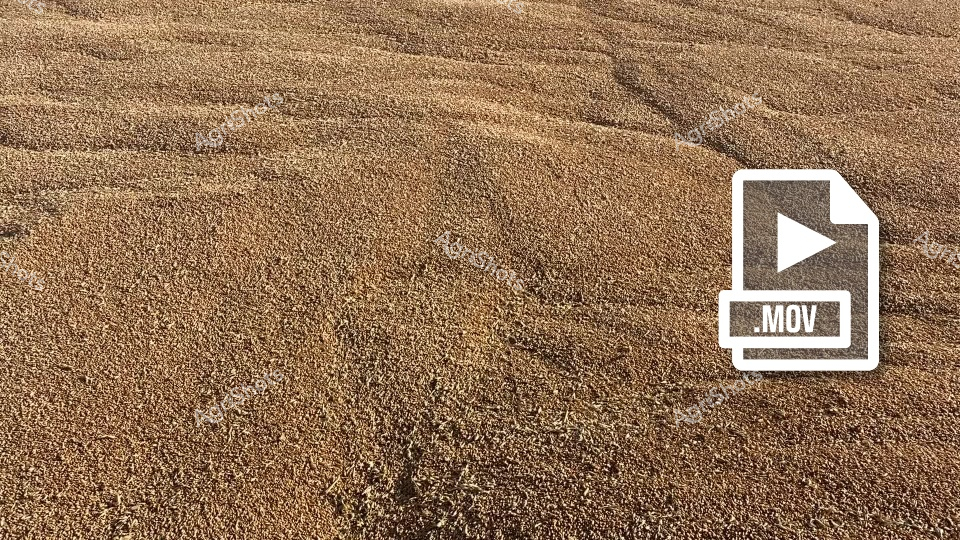
A rich, golden field of wheat stretches out, showcasing the bountiful harvest season. Rows of grain shimmer under the light, captured during a typical harvesting scene in New South Wales, with agricultural machinery like headers and chaser bins working to collect the crop efficiently.
 Image
Image
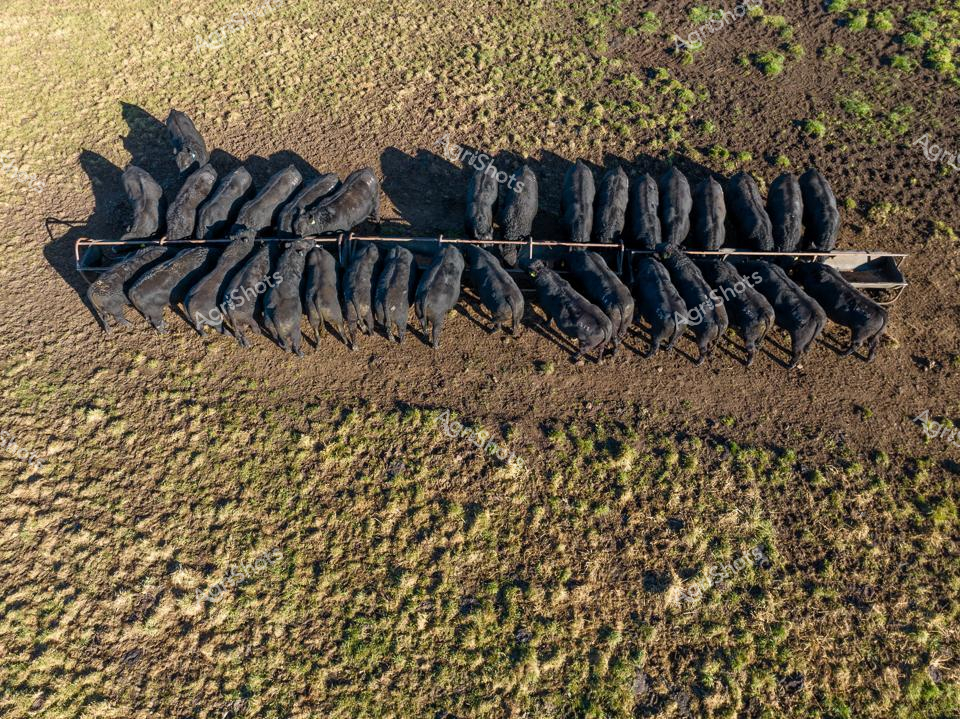
Aerial view of a meticulously organized line of black Angus bulls, perfectly aligned on rich, variegated earth tones of brown and green pastureland. The cattle are positioned side-by-side on a metal frame, creating a striking geometric arrangement that highlights the uniform deep-black coats and muscular physiques of these premium beef livestock. Captured from above, the image reveals the precision of modern stud cattle management in the New England region of New South Wales, where agricultural excellence is a hallmark of rural production. Soft morning light casts subtle shadows across the ground, emphasizing the textural variations of the paddock and creating a sense of depth and dimension. The uniform alignment of these powerful animals suggests a carefully curated breeding program, reflecting the sophisticated approach to livestock management in Australian agricultural practices. Each bull represents a potential genetic cornerstone for future herds, embodying the strength and quality of Australian beef production.
 ▶ Video
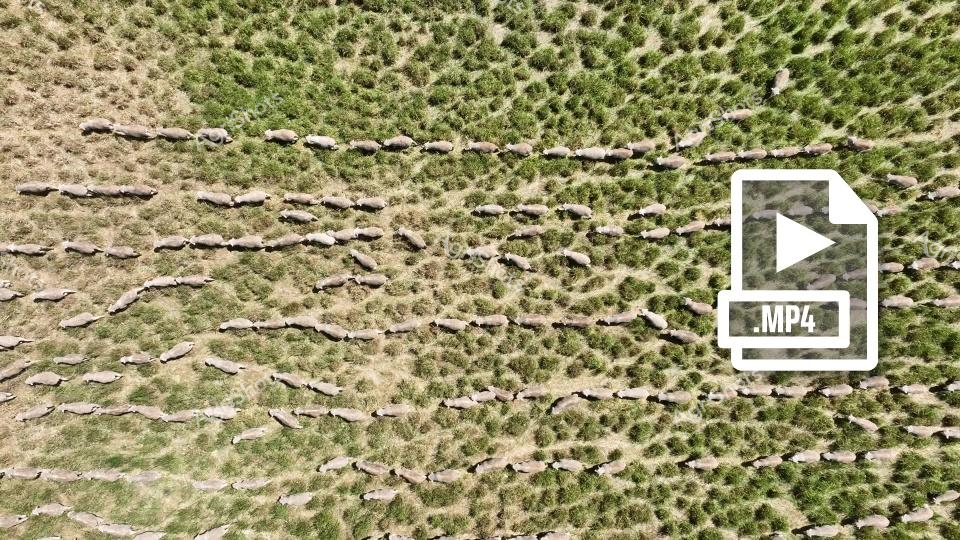
An aerial view of a herd of Merino sheep clustered in groups across a grassy, vegetated landscape in New South Wales, Australia. The sheep appear to be part of a regenerative farming practice, potentially during a weaning process, with the animals spread out in distinct lines and clusters. The image captures the expansive pastoral scene from above, showcasing the natural grazing patterns of these fine-wool sheep.
 ▶ Video
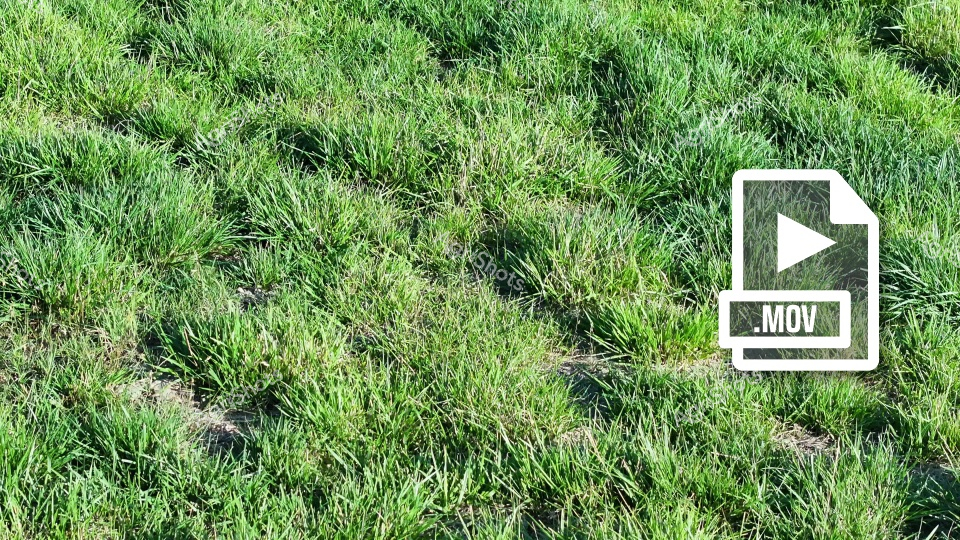
A lush pasture of green grass fills the frame, representing a typical summer scene in the Central West region of New South Wales. The dense, verdant grass suggests a healthy grazing environment for cattle, with natural contours and varying shades of green indicating potential proximity to water sources like a dam.
 ▶ Video
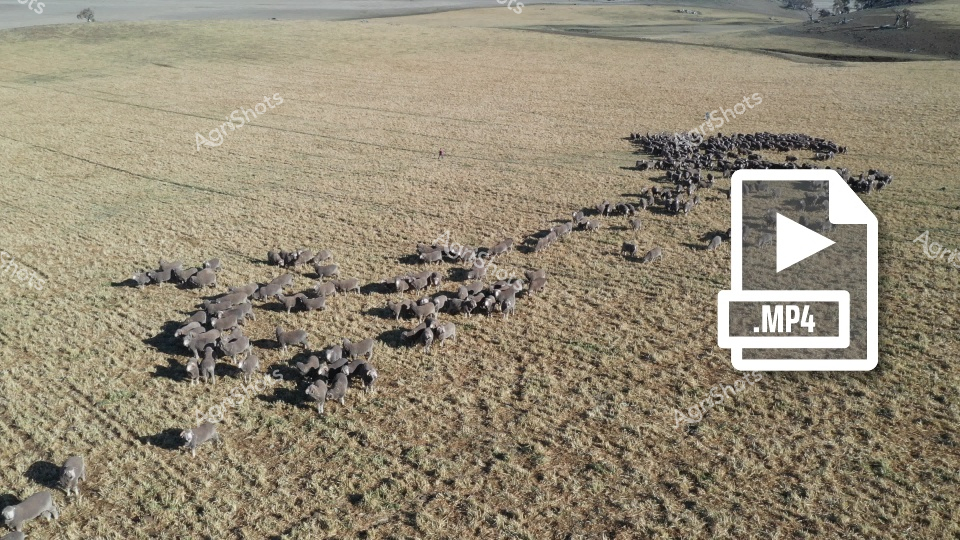
An aerial view captures a large flock of Merino sheep spread across a dry, golden-brown pasture in rural New South Wales. The sheep are being mustered, likely at a station or stud property, forming long lines and groups across the expansive grassland typical of Australian agricultural landscapes.
 Image
Image
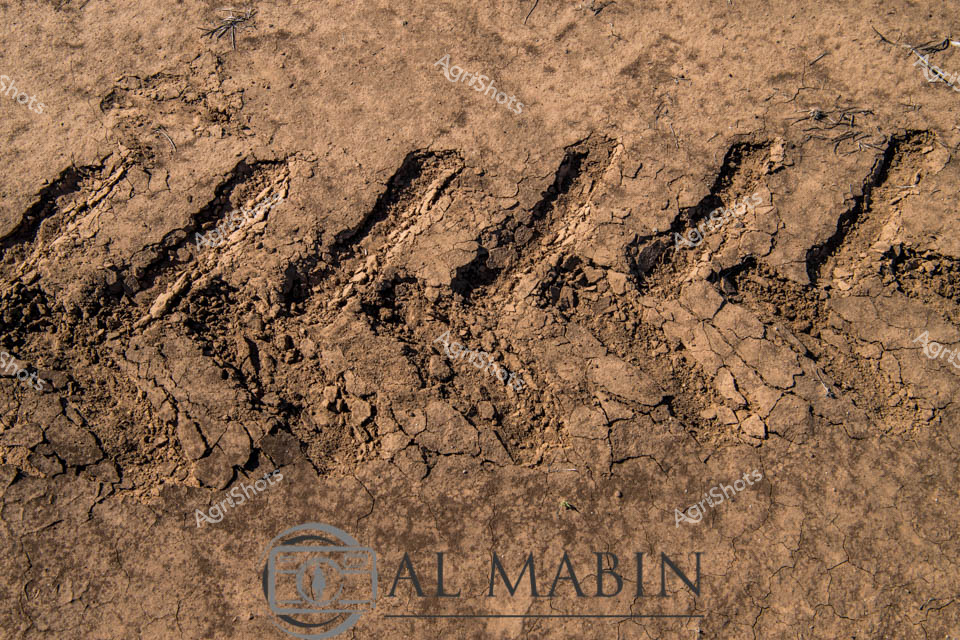
Tractor tread marks carve deep, distinctive chevrons into parched, cracked earth - a powerful testament to the harsh agricultural landscape of Queensland. The rich brown soil bears the intricate pattern of heavy machinery, each groove telling a story of cultivation and resilience. Dry, sun-baked ground splits and fragments, revealing the challenging conditions farmers navigate in this unforgiving terrain. The textural complexity captures the raw essence of rural Australian agriculture - where every furrow represents human determination against environmental extremes. Subtle variations of ochre, umber, and sepia tones highlight the geological intricacies of the ground, while sparse fragments of dried vegetation hint at the arid ecosystem.