
About this image
Nestled in the rugged Northern Territory cattle yards, a Zoetis Bon-Shield vaccination kit stands ready for cattle processing. The industrial steel cattle crush looms in the background, a complex network of metal gates, cables, and industrial infrastructure silhouetted against filtered sunlight streaming through the structural framework. Orange and blue Bon-Shield NH-One vaccine boxes sit precisely positioned in the foreground, alongside a prepared vaccine bottle - emblematic of modern animal health management in Australia's extensive cattle production system. Weathered metal surfaces and industrial equipment tell a story of resilient agricultural infrastructure, designed to efficiently manage and protect valuable Brahman cattle herds across remote pastoral stations. The muted earth tones and robust mechanical environment capture the pragmatic, no-nonsense approach of northern Australian cattle station operations, where animal health, safety, and efficient processing are paramount to successful livestock management.
Similar media
 ▶ Video
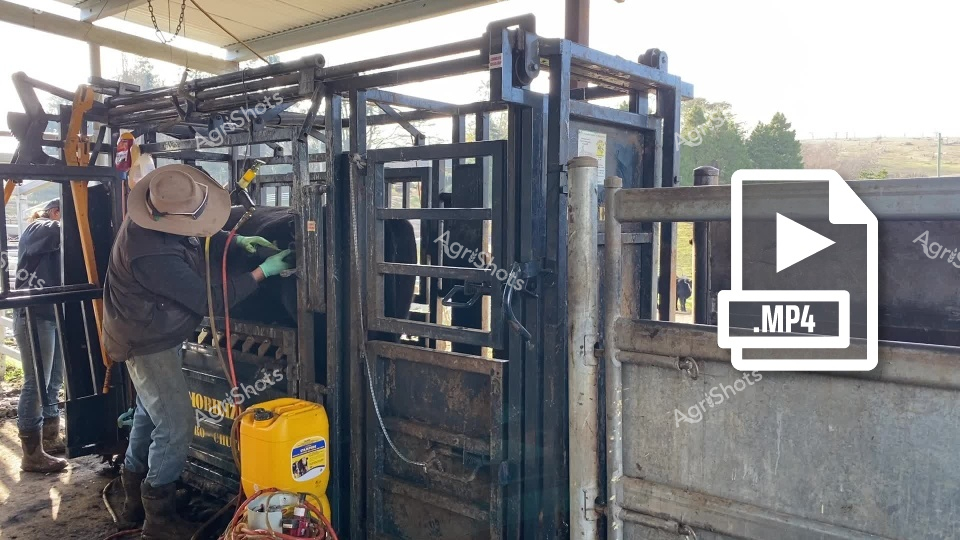
In this agricultural scene, a person wearing a wide-brimmed hat operates a cattle crush in a rural setting, likely in New South Wales. The heavy-duty metal livestock handling equipment appears designed for safely restraining and managing Angus cattle during veterinary or management procedures. The yellow equipment and sturdy metal gates suggest a professional and well-maintained cattle yard setup for efficient beef cattle handling.
 Image
Image
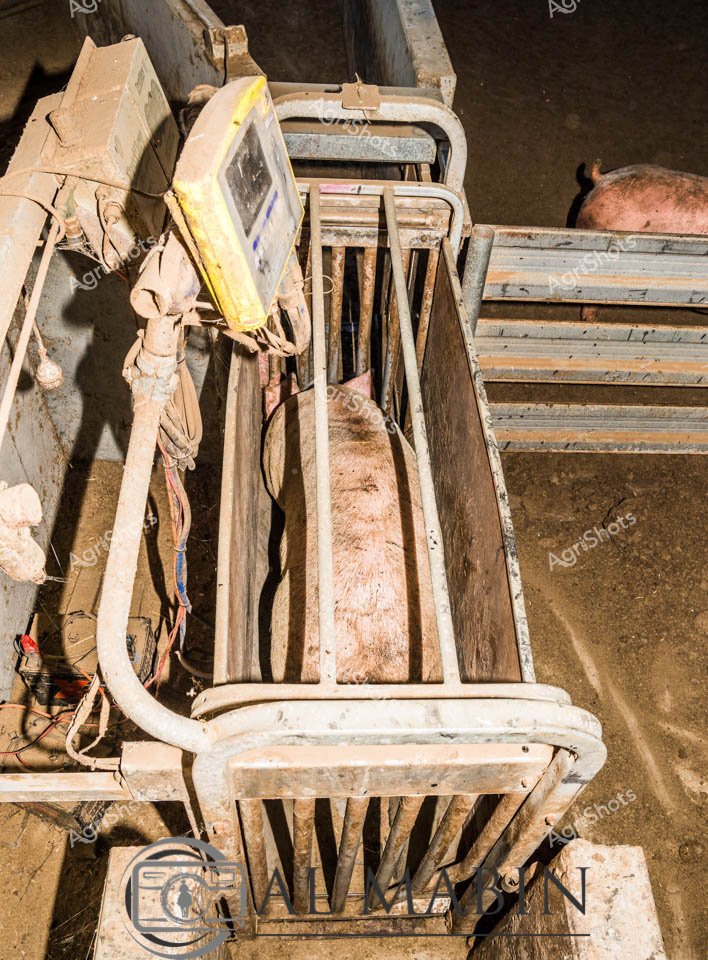
Precision agricultural technology meets livestock management in this intimate snapshot of a modern piggery. A robust pig rests within a metal weighing crate, surrounded by industrial infrastructure designed for careful animal monitoring. A yellow digital scale hangs prominently, capturing critical data about the animal's weight and development with clinical accuracy. Weathered metal frames and wooden slats create geometric lines that frame the pig, highlighting the structured environment of contemporary agricultural production. Earthy tones of beige, rust, and grey dominate the scene, reflecting the utilitarian nature of large-scale farming equipment. The ground beneath is packed dirt, suggesting this is likely a controlled agricultural facility in Western Australia's agricultural heartland, where technological innovation meets animal husbandry with meticulous attention to productivity and animal welfare.
 Image
Image
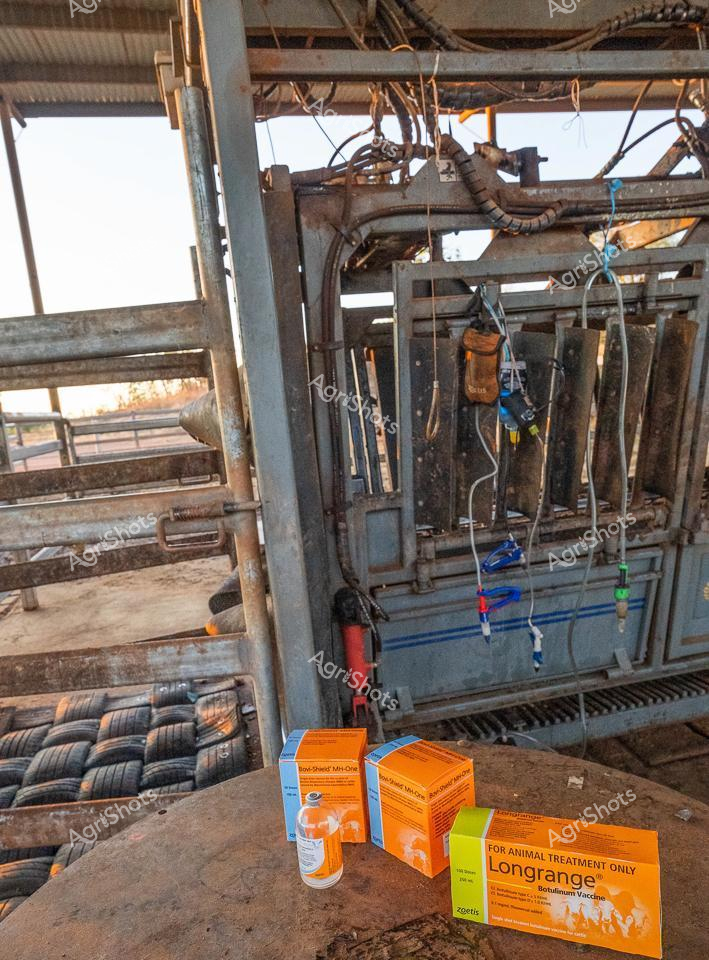
Longrange cattle treatment unfolds in a weathered Northern Territory cattle yard, where rugged metal infrastructure frames the early morning light. A robust hydraulic cattle crush stands ready, its industrial frame surrounded by stacked spare tires and an array of orange Zoetis animal health medication boxes. Blue and green treatment indicators hang from precise attachment points, revealing the methodical approach to livestock management in this remote pastoral setting. The metallic infrastructure shows years of intense use, with structural steel bearing the patina of countless livestock movements and harsh environmental conditions. Zoetis Longrange medication boxes signal a strategic approach to animal health management, suggesting preventative treatments designed for the challenging tropical rangelands. The scene captures the intersection of agricultural technology and traditional livestock management, where precision and robust equipment ensure the ongoing health and productivity of Australia's critical beef production systems.
 Image
Image
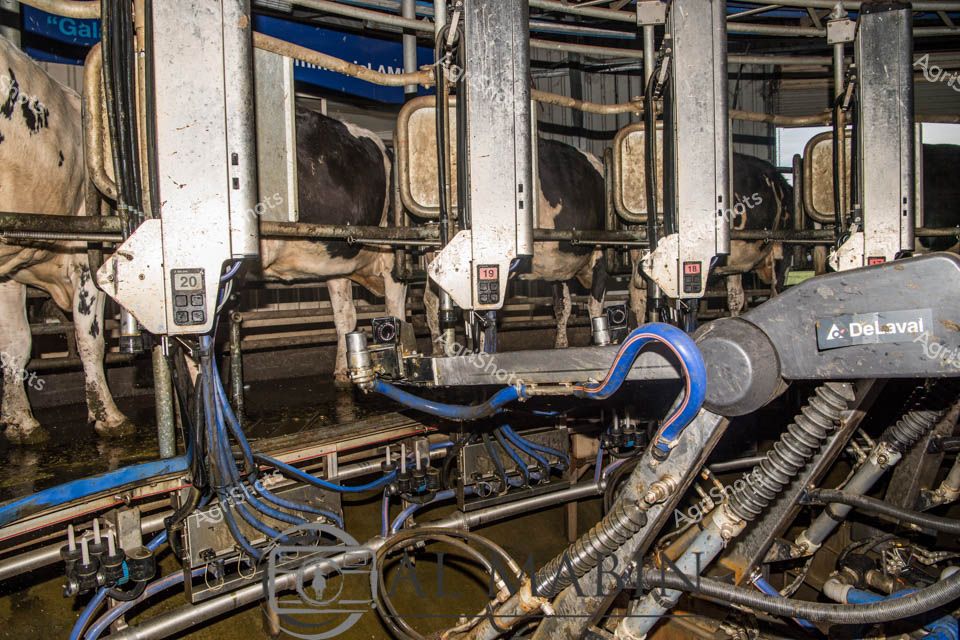
Precision dairy technology transforms traditional milking at this cutting-edge Tasmanian robotic dairy facility. Holstein-Friesian dairy cows stand calmly in individual stalls, seamlessly integrated with DeLaval automated milking equipment, representing the pinnacle of agricultural innovation. Blue and metallic grey hydraulic tubes and mechanical arms connect to each animal, enabling hands-free milk extraction with remarkable efficiency and minimal stress to the livestock. The industrial interior reveals a sophisticated infrastructure of stainless steel stanchions, digital control panels, and precisely engineered machinery, reflecting the high-tech evolution of modern agricultural practices. Cool blue and grey tones dominate the mechanical environment, contrasting with the soft beige and black markings of the dairy cows, highlighting the harmonious intersection of animal husbandry and technological advancement. This immaculate robotic milking system exemplifies Tasmania's progressive approach to agricultural productivity, showcasing how precision engineering can optimize livestock management and dairy production.
 Image
Image
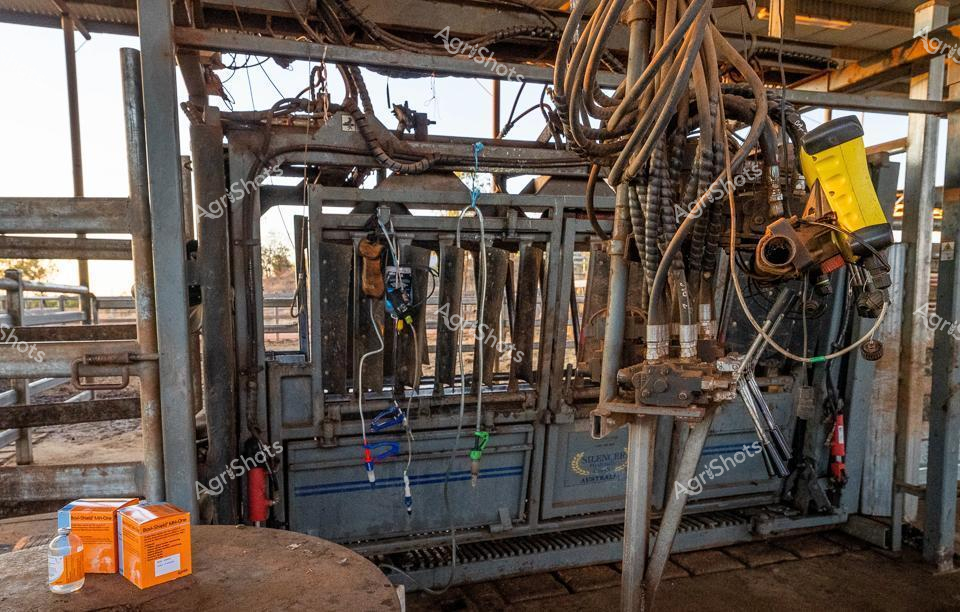
Dusty golden light filters through the rustic cattle yard, illuminating a robust livestock processing station engineered for efficient animal management. The industrial-grade cattle crush stands as a centerpiece, surrounded by a complex network of hydraulic lines, control mechanisms, and essential veterinary equipment. Vibrant orange medication boxes from Zoetis sit in the foreground, suggesting an upcoming cattle health intervention typical of professional Northern Territory station operations. Robust steel infrastructure, weathered by years of harsh outback conditions, frames the scene with utilitarian precision - each component carefully designed to safely restrain and treat livestock during critical management procedures. Multiple colored cables and control mechanisms hang strategically, indicating the technical sophistication required in modern cattle station animal husbandry. The environment speaks to the demanding yet methodical nature of beef production in Australia's challenging tropical landscapes, where precision and animal welfare converge in specialized agricultural infrastructure.
 Image
Image
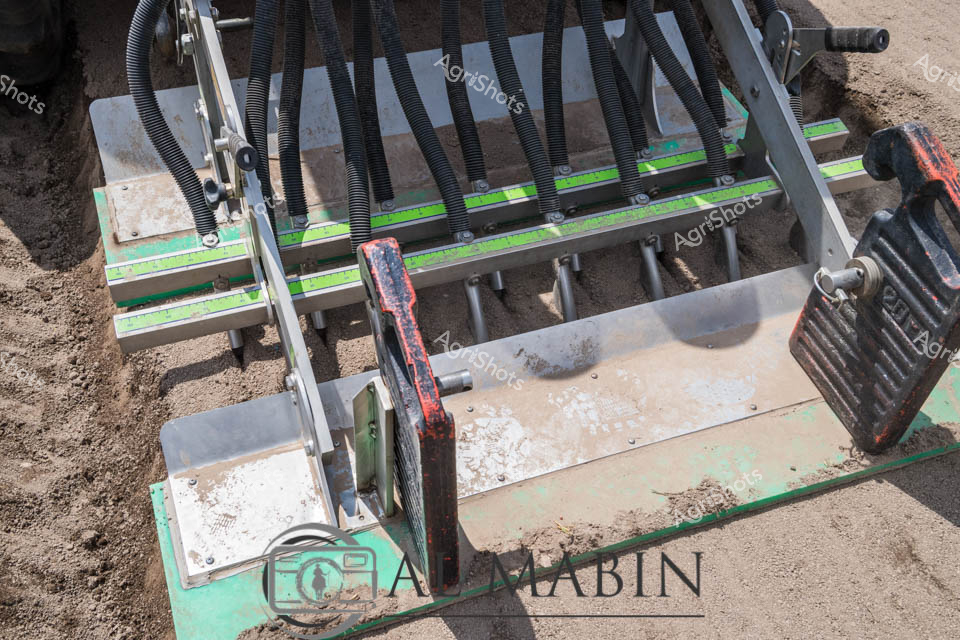
Precision agriculture springs to life with this close-up of a sophisticated vegetable planting machine, revealing the intricate technology behind modern market gardening. Green and silver metal components gleam against the dusty earth, with multiple parallel planting rows meticulously aligned on a robust green-trimmed frame. Flexible black hydraulic tubes snake across the mechanism, connecting complex mechanical elements designed for exact seed placement and optimal crop spacing. Worn and rust-flecked metal edges suggest this is a well-used piece of equipment, likely a specialized vegetable seeder working in a carefully prepared field bed. The machine's industrial textures contrast sharply with the soft, fine soil surrounding it, embodying the intersection of high-tech engineering and natural agricultural processes. This precision planter represents the cutting-edge of Australian agricultural innovation, where advanced machinery transforms raw earth into productive growing spaces with scientific accuracy.
 Image
Image
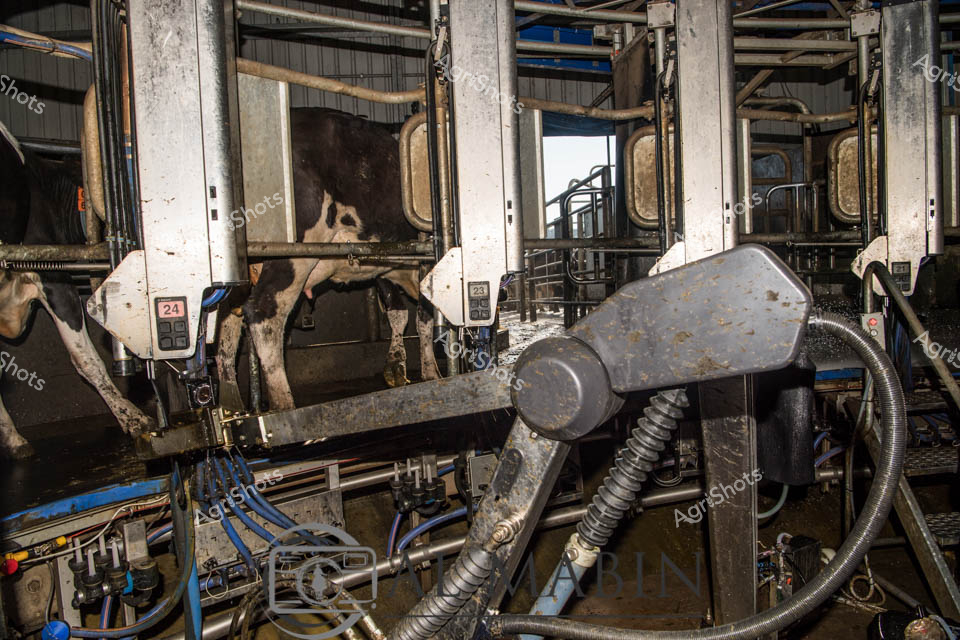
Robotic milking technology transforms the dawn routine in this high-tech Tasmanian dairy shed. A black and white Holstein dairy cow stands precisely positioned within an automated milking station, her udders connected to sophisticated mechanical milking arms with flexible hoses and precision sensors. Digital displays mounted on steel framing track individual cow metrics, while the gleaming metallic robotic milking apparatus moves with calculated efficiency, representing the pinnacle of agricultural automation. Cool blue and gunmetal grey tones dominate the industrial interior, highlighting the seamless integration of mechanical engineering and animal husbandry. Intricate networks of pipes, cables, and hydraulic components underscore the complex technological infrastructure enabling modern dairy production. This scene captures the quiet revolution of agricultural technology, where precision robotics transform traditional farming practices with unparalleled data-driven precision and operational efficiency.
 Image
Image
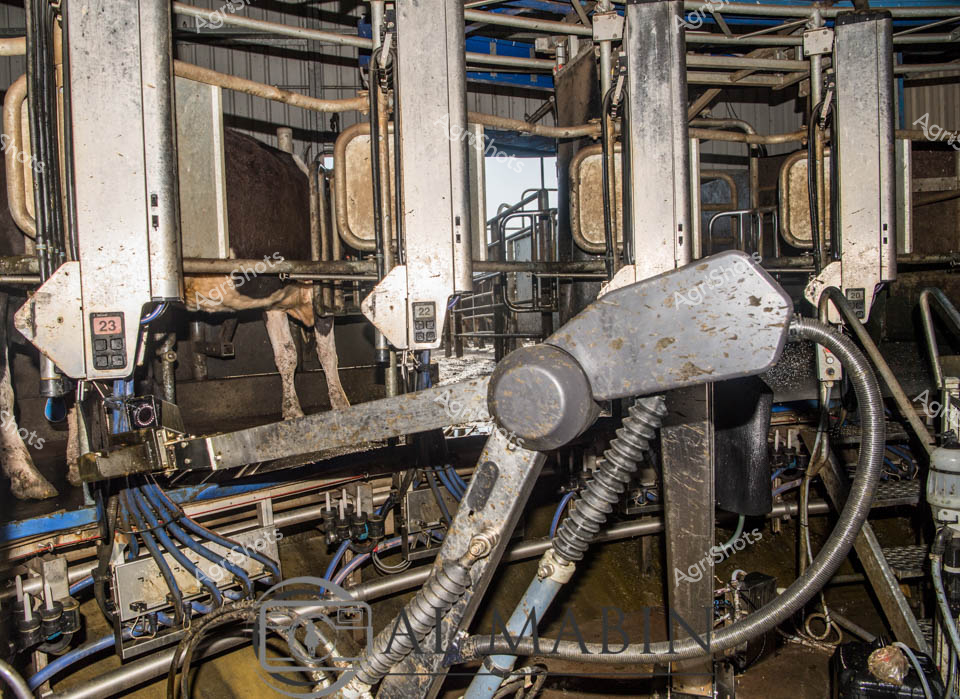
Precision and automation converge in this intimate portrait of modern dairy technology. Gleaming robotic milking arms stand poised within a sophisticated milking parlour, their mechanical limbs engineered to gently extract milk from Holstein dairy cows. Industrial concrete columns and blue-tinted infrastructure frame the sophisticated machinery, revealing a high-tech environment where agricultural tradition meets cutting-edge innovation. Intricate networks of blue hydraulic lines, flexible metal conduits, and digital control panels demonstrate the complex engineering behind automated livestock management. Numbered stations (visible as tags 22 and 23) indicate the systematic approach to each animal's milking process, showcasing how contemporary Tasmanian dairy farms optimize efficiency and animal welfare through technological intervention. The metallic greys, industrial textures, and strategic positioning of equipment highlight the precision of this automated agricultural ecosystem, where every mechanical movement is calculated to support sustainable milk production.