About this image
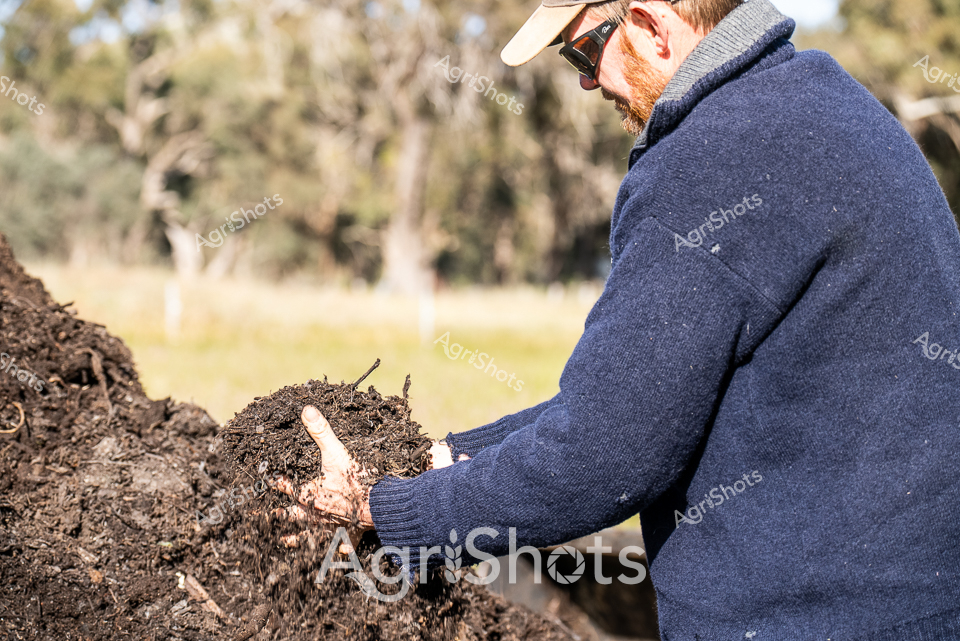
Nestled in the verdant pastures of Victoria, a seasoned farmer tends to a rich, dark compost heap on a crisp morning. Wearing a navy blue woolen sweater and a light cap, the individual carefully examines the decomposing organic matter, his gloved hand sifting through the nutrient-dense soil. Surrounding him, a soft-focused backdrop of eucalyptus trees hints at the expansive rural landscape, embodying the essence of regenerative agricultural practices. The composting process represents a critical element of sustainable farming, transforming green waste and manure into a powerful natural fertiliser. Each handful of dark, crumbly material tells a story of biological recycling - breaking down organic components to create life-giving nutrients for future crops. The scene captures the meticulous care and environmental consciousness of modern Australian agricultural methods, showcasing how waste reduction and soil health are interconnected. The muted color palette - deep blues, rich browns, and soft greens - reflects the harmony between the farmer and the natural ecosystem. This image encapsulates the sophisticated, science-driven approach to contemporary farming, where every handful of soil represents potential, renewal, and environmental stewardship.
Similar media
 Image
Image
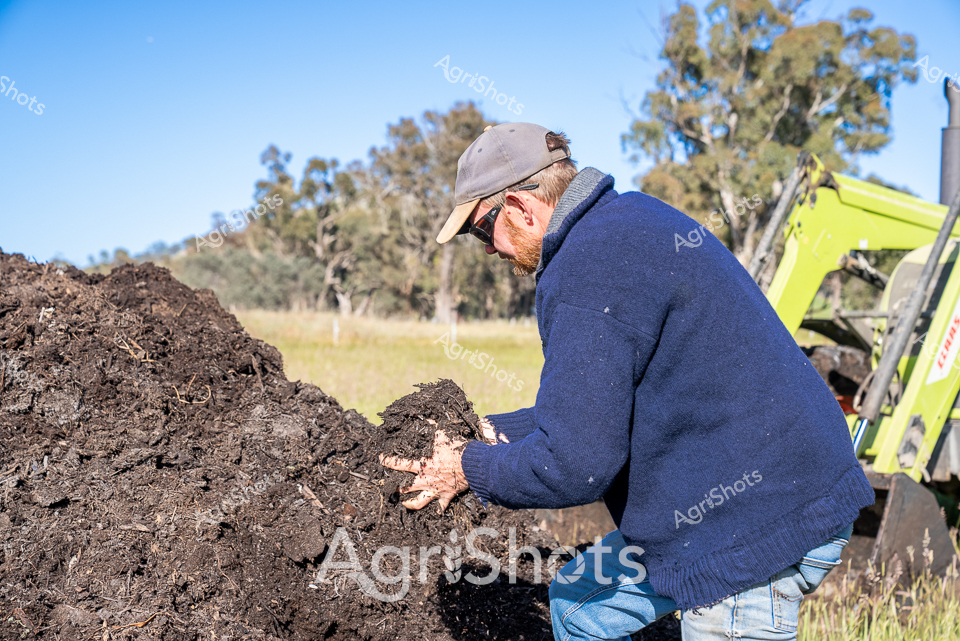
A seasoned agricultural worker carefully inspects a towering mound of rich, dark compost under the warm Australian sun. Wearing a navy blue knit sweater and a light cap, he cradles a handful of decomposed organic matter, studying its texture and composition with practiced expertise. In the background, a bright lime-green tractor stands ready, suggesting an active agricultural operation amid a landscape of scattered eucalyptus trees and open grassland. The compost heap - a critical component of regenerative farming practices - represents a sustainable approach to waste reduction and soil health, transforming green waste and potentially manure into nutrient-rich fertilizer. His weathered hands and focused posture reveal decades of agricultural knowledge, demonstrating the intricate relationship between farmers and the land in Victoria's agricultural heartland. The scene captures the essence of modern sustainable farming: recycling, regeneration, and careful stewardship of natural resources.
 Image
Image
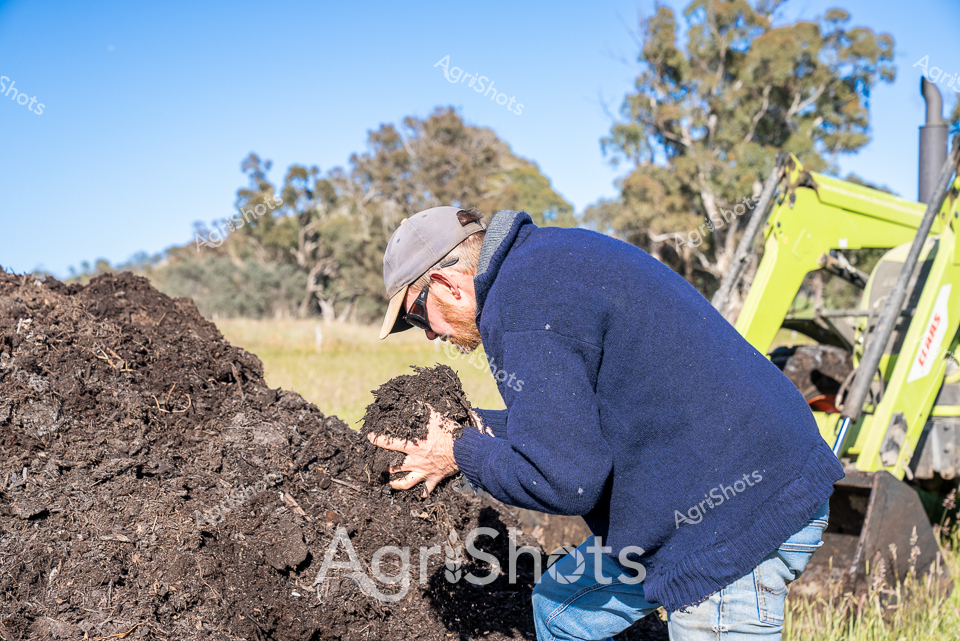
A seasoned farmer in a navy blue jumper and grey cap carefully examines dark, rich compost material on a rural Victorian property. His weathered hands gently cradle a handful of nutrient-dense organic matter, revealing the intricate textures of decomposed green waste and agricultural residue. A vibrant lime-green tractor sits in the background, hinting at the modern machinery supporting regenerative farming practices. The landscape unfolds with eucalyptus trees scattered across a gently undulating paddock, bathed in soft natural light that suggests early morning or late afternoon. This moment captures the essence of sustainable agricultural techniques, where waste becomes a valuable resource for soil health and future crop productivity. The scene embodies a holistic approach to farming - recycling, rebuilding soil biodiversity, and maintaining a deep connection between the farmer and the land.
 Image
Image
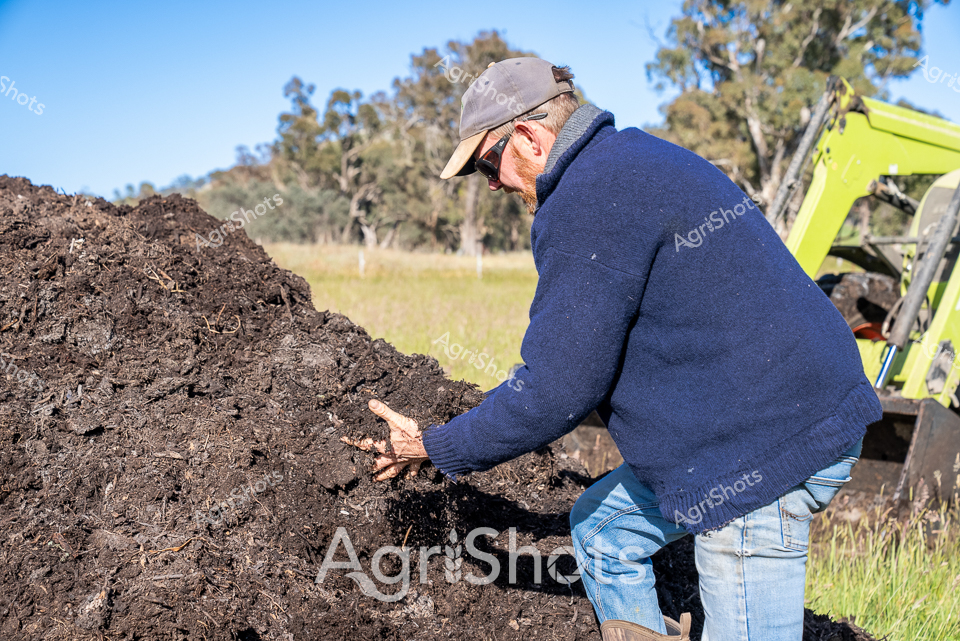
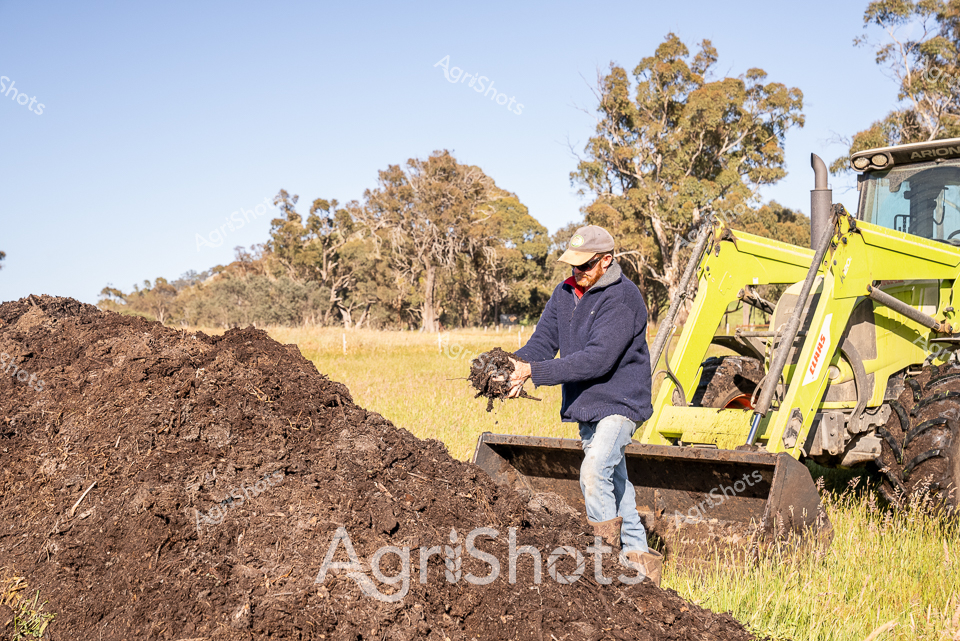
Weathered hands sift through rich, dark compost on a crisp Victorian morning, revealing the intricate work of regenerative agricultural practices. Wearing a navy blue wool sweater and a worn cap, an experienced farmer examines the quality of organic matter, showcasing the meticulous process of soil regeneration. A bright green tractor - likely a Claas model - stands nearby, highlighting the intersection of modern agricultural technology and sustainable farming methods. The surrounding landscape of scattered eucalyptus trees and open grasslands speaks to the expansive agricultural regions of Victoria, where innovative waste recycling and soil health techniques are transforming traditional farming approaches. The textured, dark compost pile demonstrates the careful balance of green waste, manure, and organic materials that contribute to soil biodiversity and reduced agricultural waste. This image captures the thoughtful, hands-on expertise of farmers committed to sustainable land management and ecological restoration.
 Image
Image
Regenerative Agriculture in Action: Composting on a Victorian Farm A farmer evaluates rich, dark organic compost from a yellow front-end loader, carefully examining the nutrient-dense soil amendment under the golden light of mid-morning. Dressed in a navy fleece, cap, and sturdy work jeans, the agricultural worker stands amidst a landscape of mature eucalyptus trees and grassland, embodying the principles of sustainable farming practices. The substantial compost heap - a deep chocolate brown with varied textures of decomposed green waste and organic matter - represents a critical step in regenerative agricultural techniques that restore soil health and reduce waste. The bright yellow Claas tractor's loader provides mechanical support, highlighting the intersection of technology and ecological farming methods. Soft winter sunlight filters through the surrounding woodland, casting gentle shadows across the grassy paddock and illuminating the nuanced textures of soil and vegetation. This image captures the meticulous care and scientific approach of modern Australian agriculture, where waste recycling, soil regeneration, and environmental stewardship are paramount to sustainable food production.
 Image
Image
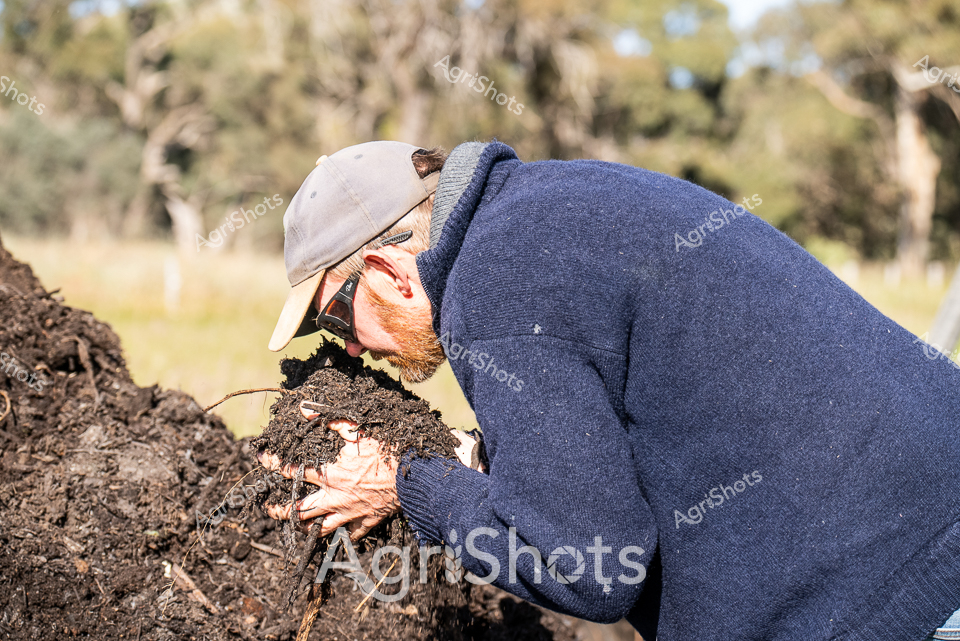
Weathered hands cradle dark, rich soil in a quiet moment of agricultural intimacy. An experienced farmer in a navy blue sweater and light cap leans intently into a mound of composting organic matter, examining the intricate ecosystem of decomposing material. The backdrop suggests a Victorian farmland - soft green pastures and scattered gum trees creating a gentle, diffused landscape. This scene captures the essence of regenerative farming practices, where soil health is viewed as a living, breathing resource rather than merely a growing medium. The deep brown of the compost contrasts beautifully with the blue knit sweater, symbolizing the connection between human stewardship and natural cycles of renewal. Every handful of this carefully managed organic waste represents potential - future nutrients, improved soil structure, and sustainable agricultural resilience.
 Image
Image
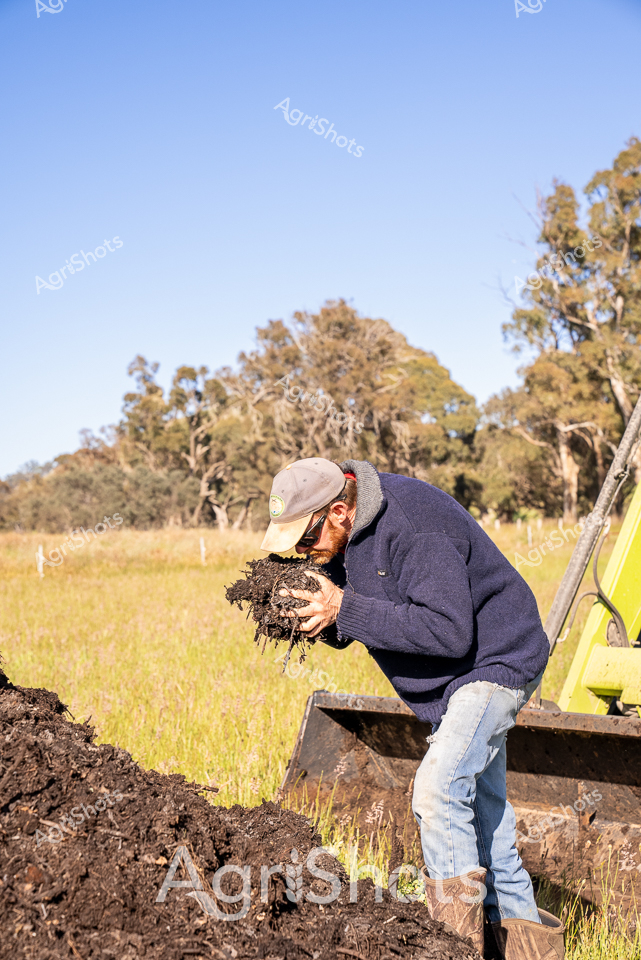
Nestled in a golden grassland under the expansive Victorian sky, an agricultural worker cradles a handful of rich, dark compost with an intimate, investigative gesture. Wearing a navy blue sweater and flat cap, the individual bends carefully over a mound of organic matter, examining the complex texture and quality of the decomposed material. The surrounding landscape speaks of regenerative farming practices - mature eucalyptus trees frame a distant treeline, while the vibrant yellow agricultural equipment suggests modern sustainable agricultural techniques. This moment captures the nuanced relationship between farmer and soil, highlighting the critical work of composting and organic waste recycling in contemporary agricultural systems. The scene radiates a sense of careful stewardship, with the worker's focused posture demonstrating a profound connection to the land and its natural cycles of renewal and growth. Every handful of compost represents potential - a transformative medium that can restore soil health, sequester carbon, and support more resilient farming ecosystems.
 Image
Image
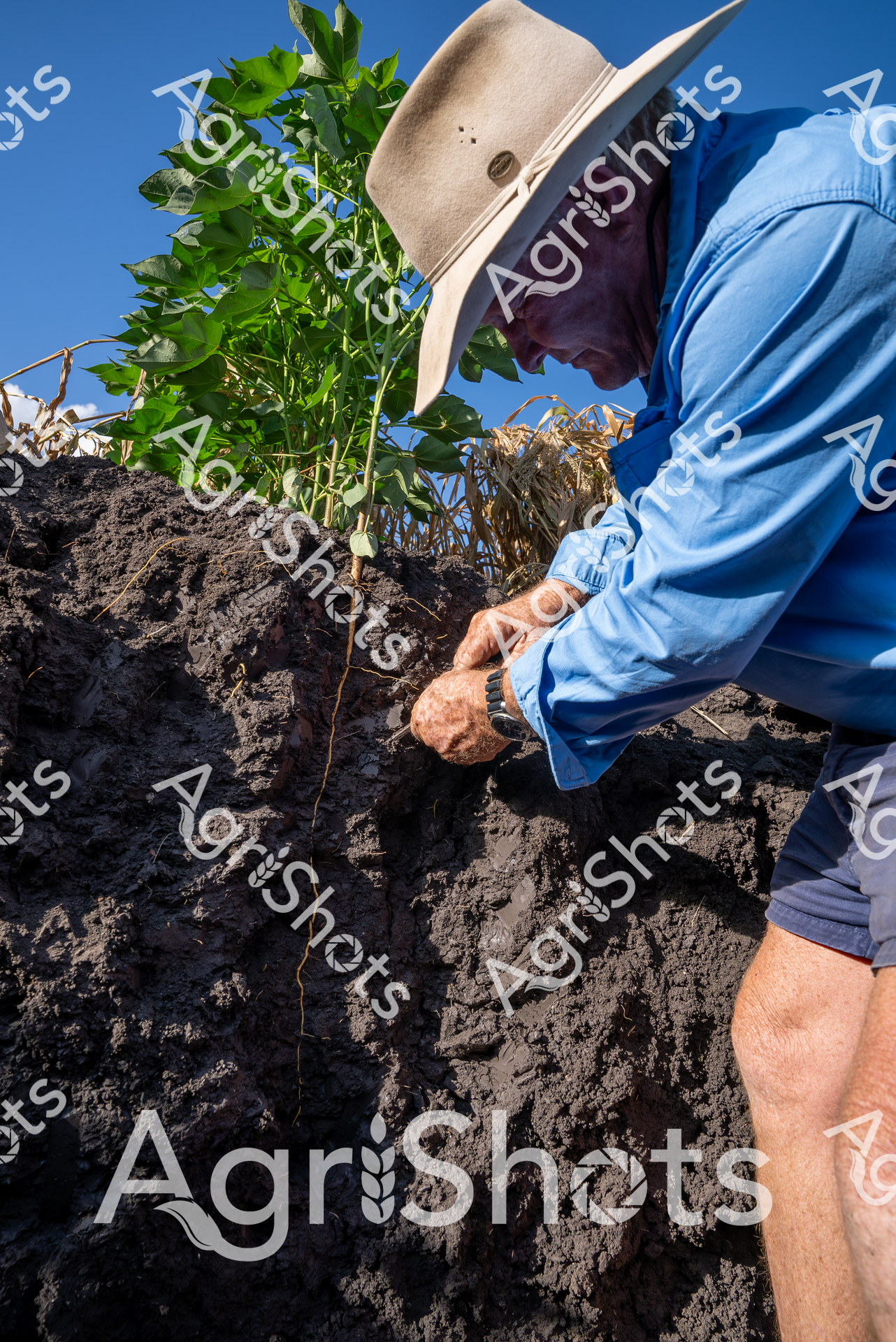
Agricultural soil exploration reveals the intricate root system of a young millet or cotton crop in Queensland's fertile Darling Downs region. A weathered agricultural worker, protected from the intense summer sun by a classic broad-brimmed hat, carefully examines a soil cross-section, revealing the delicate white root structures reaching deep into the dark, rich earth. His blue work shirt and measured movements speak to decades of agricultural expertise, gently exposing the underground growth patterns that are crucial to understanding crop health and soil performance. The vivid green foliage contrasts dramatically against the deep brown soil, highlighting the delicate balance between plant life and the ground that nurtures it. Layered straw mulch is visible at the edge of the excavation, suggesting sustainable farming practices designed to preserve soil moisture and support crop resilience. This intimate portrait of agricultural investigation captures the nuanced art and science of modern farming, where understanding subterranean dynamics is as critical as managing what grows above ground.
 Image
Image
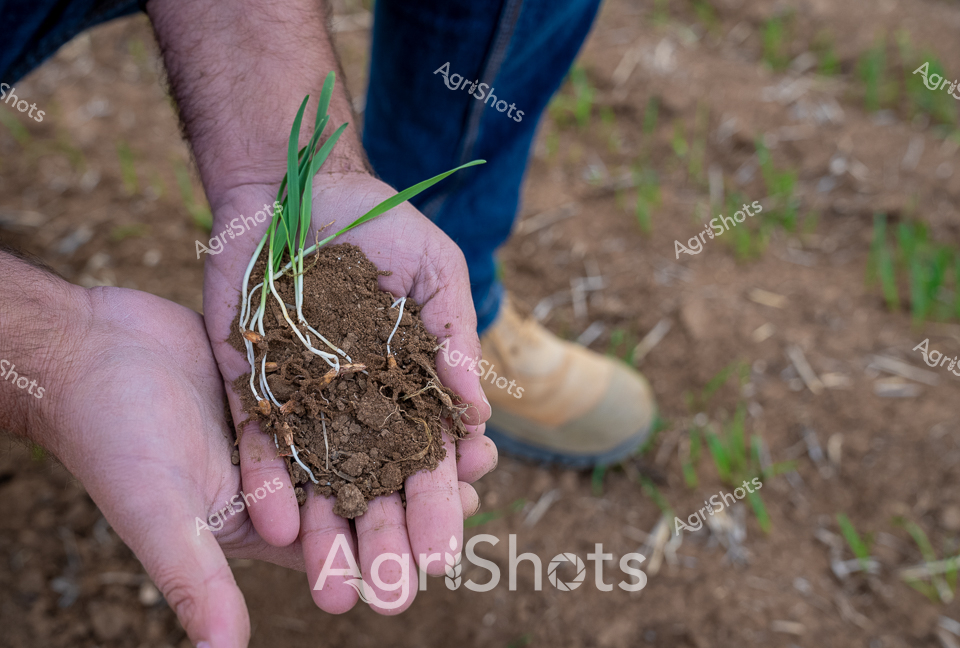
Tender agricultural hands cradle a handful of rich, dark soil, revealing the delicate early stages of crop emergence. Pale green wheat shoots peek through the crumbly earth, their slender roots tentatively exploring the terrain, symbolizing the promise of new life and potential harvest. The image captures the intimate moment of agricultural nurturing - a close-up that speaks to the direct connection between farmer and land in the Wimmera region of Victoria. Weathered fingers gently support the soil clump, displaying the careful touch required in crop cultivation during the winter planting season. In the background, a blurred work boot grounds the scene, suggesting the practical, grounded nature of agricultural work. This powerful image encapsulates the tender beginning of agricultural production - a moment of hope, potential, and the fundamental human relationship with the earth that sustains us.