About this image
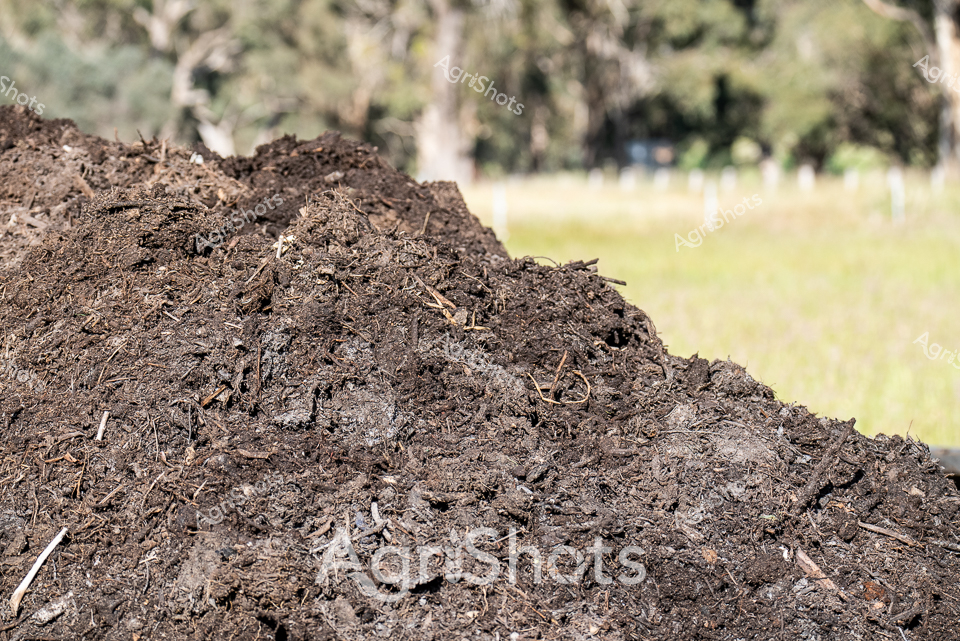
Dark, rich organic compost rises in a textured mound of decomposing agricultural waste, revealing the intricate process of regenerative farming practices. Fragments of woody material, plant stems, and finely broken-down organic matter create a complex landscape of dark brown and charcoal hues, highlighting the nutrient-dense composition. Sunlight filters across the background, illuminating a soft green pasture and distant tree line, suggesting this composting site is located in a rural Victorian agricultural setting. The carefully managed heap represents a critical element of sustainable farming - transforming green waste and potentially animal manure into valuable soil enrichment through natural decomposition processes. Each layer tells a story of ecological recycling, where discarded organic material is transformed into a powerful fertiliser that will nurture future crops and support soil biodiversity. The meticulously constructed compost pile embodies the principles of waste reduction and regenerative agricultural techniques, demonstrating how farmers can create value from what might otherwise be considered waste.
Similar media
 Image
Image
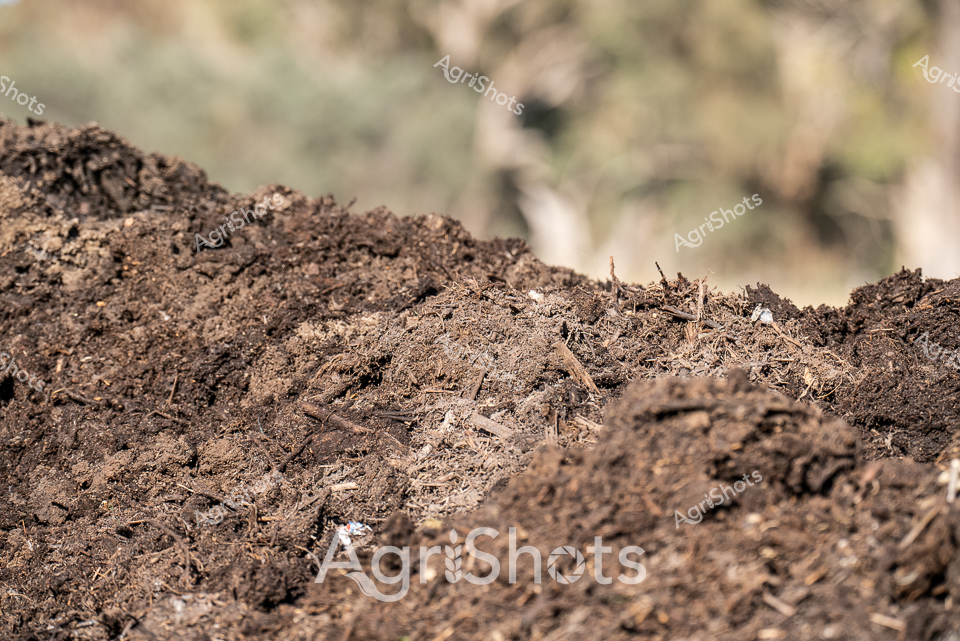
Rich, dark compost mounds rise like earthen waves, revealing the intricate textures of decomposing organic matter. Fragments of plant material, woody stems, and decaying debris interweave through the rich brown substrate, creating a complex tapestry of regenerative agricultural practice. This close-up captures the vital process of composting - transforming green waste and organic materials into nutrient-dense soil amendment that supports sustainable farming ecosystems. The granular, layered composition speaks to the intricate biological processes of decomposition, where microorganisms break down complex materials into simple, life-giving nutrients. Soft-focus background hints at a rural Victorian landscape, suggesting this composting operation is part of a broader regenerative farming strategy focused on soil health and waste reduction. The earthy palette of deep browns, ranging from rich chocolate to warm umber, highlights the textural complexity of this fundamental agricultural practice that turns waste into valuable resource.
 Image
Image
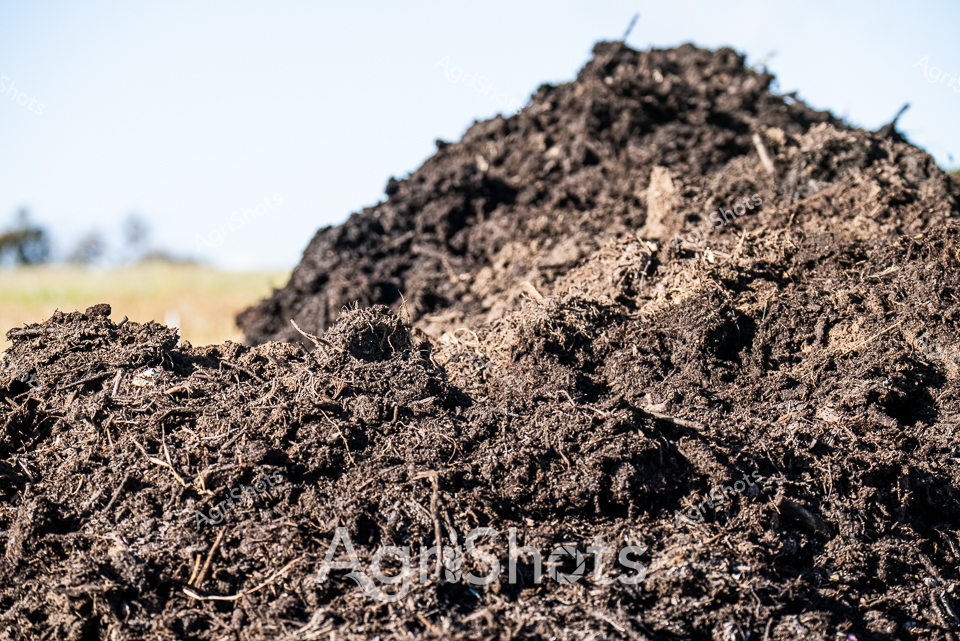
Rich, dark compost teems with organic potential, its complex texture telling a story of regenerative agricultural practice. Layers of decomposed green waste, manure, and agricultural residue create a complex mosaic of earthy browns and deep charcoal tones, revealing the intricate microbial landscape that drives soil health. Each clump represents a transformative process where waste becomes nutrition, embodying Victoria's commitment to sustainable farming techniques. Tiny fragments of plant matter, twigs, and fibrous materials are visible throughout the pile, demonstrating the comprehensive recycling approach of modern regenerative agriculture. The background hints at an expansive rural landscape, suggesting this composting operation is part of a broader ecosystem of environmental stewardship. This rich, living substrate represents more than mere waste - it's a critical component of soil regeneration, carbon sequestration, and sustainable food production.
 Image
Image
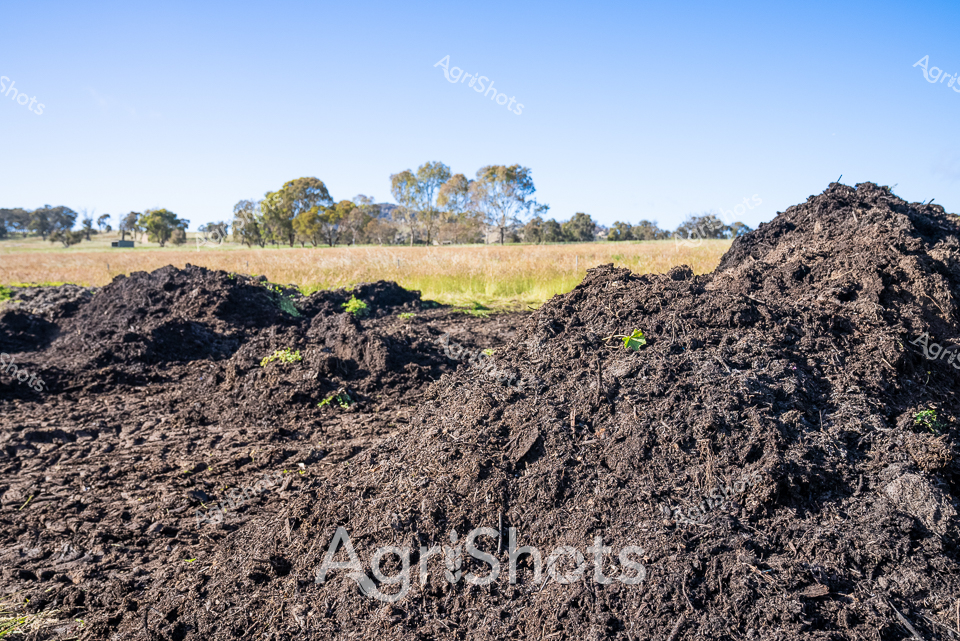
Dark, rich compost heaps dominate the foreground, their deep charcoal-brown surfaces revealing complex textures and occasional hints of bright green emerging seedlings. Rolling golden pastureland stretches behind, punctuated by scattered eucalyptus trees under a clear azure sky - quintessential Victorian agricultural landscape. These substantial organic matter mounds represent a critical regenerative farming technique, transforming green waste and agricultural byproducts into nutrient-dense soil amendments. The carefully constructed compost piles demonstrate sophisticated waste reduction and recycling practices, with meticulously layered organic materials slowly decomposing to create vital fertiliser for future crops. Sunlight illuminates the scene, casting subtle shadows across the undulating heaps and highlighting the rich biological processes at work. This image captures the essence of sustainable agricultural practices, where waste becomes a valuable resource and ecological cycles are carefully managed to support ongoing land productivity.
 Image
Image
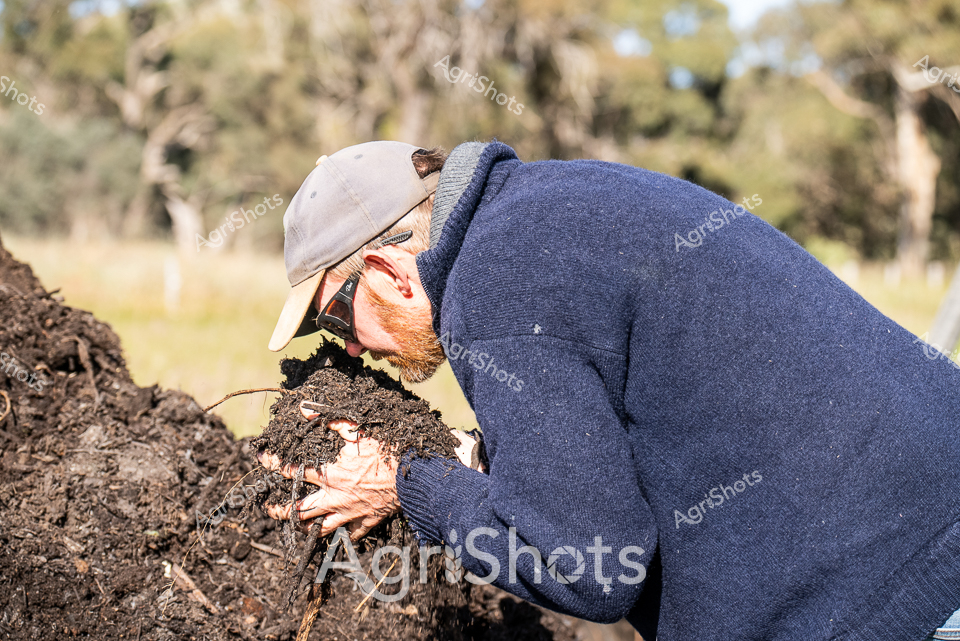
Weathered hands cradle dark, rich soil in a quiet moment of agricultural intimacy. An experienced farmer in a navy blue sweater and light cap leans intently into a mound of composting organic matter, examining the intricate ecosystem of decomposing material. The backdrop suggests a Victorian farmland - soft green pastures and scattered gum trees creating a gentle, diffused landscape. This scene captures the essence of regenerative farming practices, where soil health is viewed as a living, breathing resource rather than merely a growing medium. The deep brown of the compost contrasts beautifully with the blue knit sweater, symbolizing the connection between human stewardship and natural cycles of renewal. Every handful of this carefully managed organic waste represents potential - future nutrients, improved soil structure, and sustainable agricultural resilience.
 Image
Image
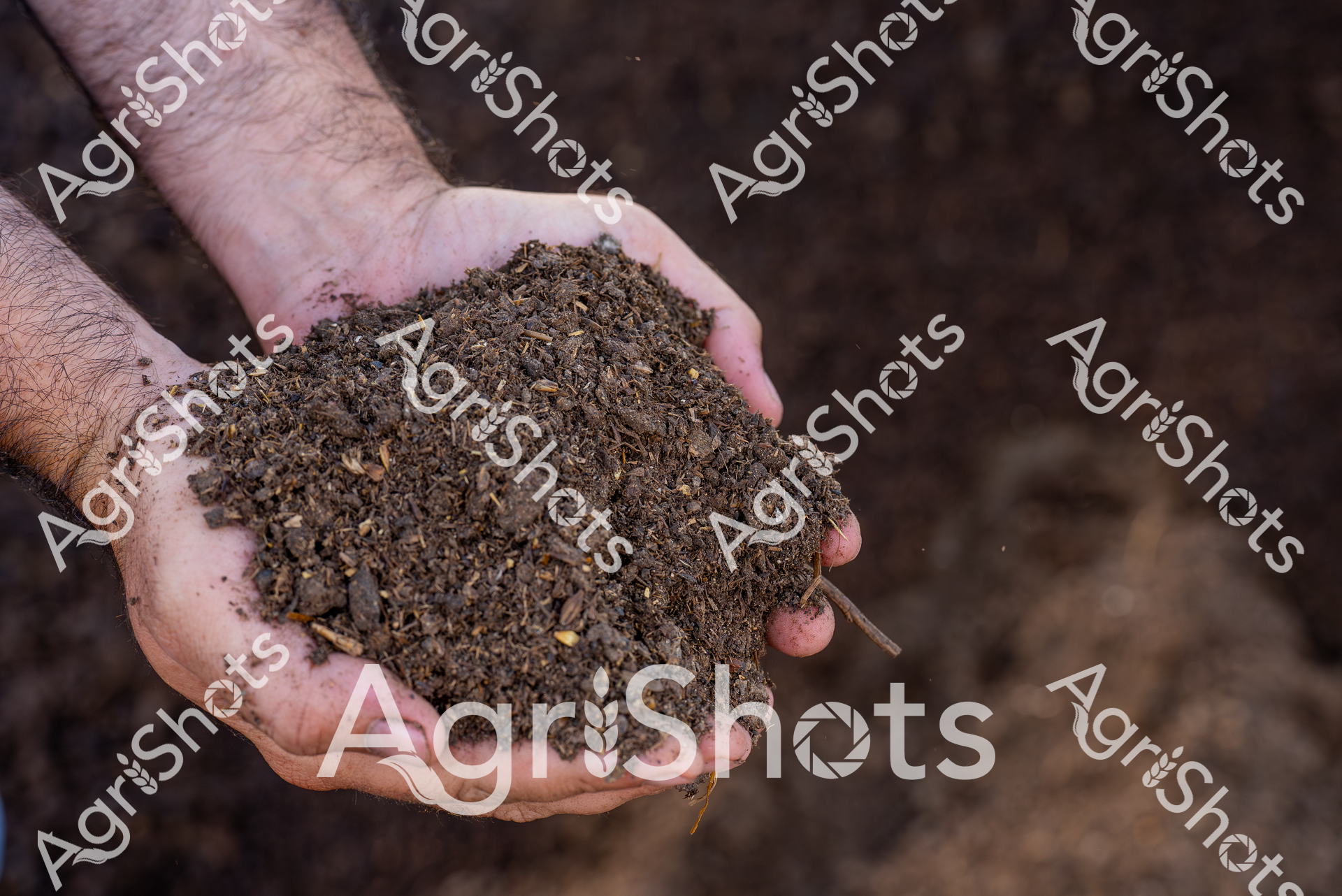
Rich, dark organic matter cradles between weathered hands, revealing the transformative power of agricultural recycling. This handful of composted feedlot waste represents the sustainable heart of Queensland's agricultural ecosystem, where waste becomes nutrition for future crops. Tiny seeds and fragments of organic material are suspended in the deep brown substrate, telling a story of nutrient cycling and environmental stewardship. The textured, granular composition suggests meticulous breakdown of agricultural byproducts, capturing the intense summer heat's role in decomposition. Rough, hair-covered hands grip the material with a sense of pride and purpose, highlighting the intimate connection between farmers and the land's regenerative processes. This image embodies the quiet alchemy of agricultural sustainability - where what was once discarded becomes a vital resource for future growth, symbolizing the intelligent and circular nature of modern farming practices.
 Image
Image
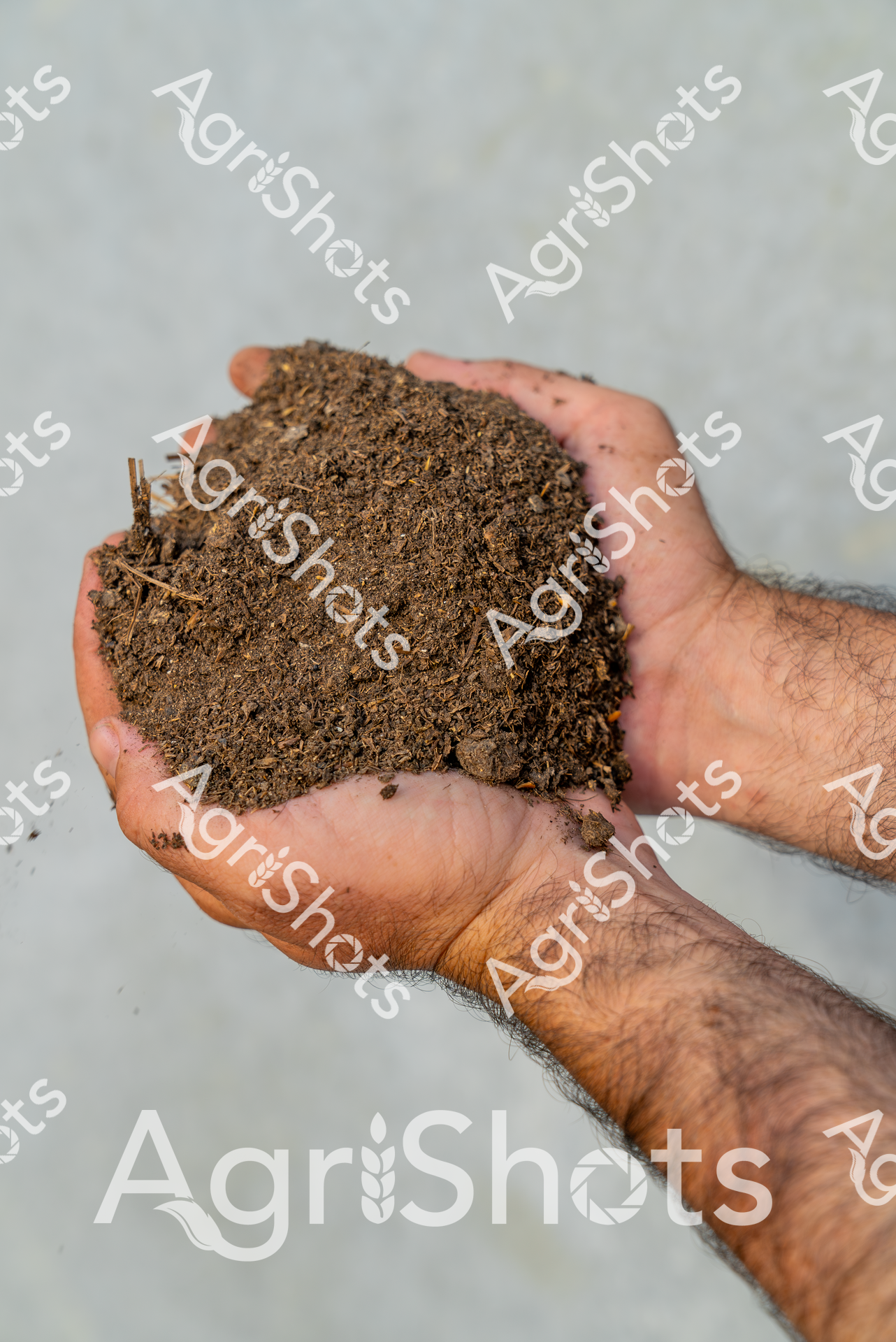
Fertile earth cradles between calloused hands, a rich testament to agricultural recycling and sustainable land management. This intimate close-up reveals dark, nutrient-dense compost - a vital resource for feedlot waste transformation and soil regeneration. Small fragments of organic matter and fine particulate create a textured landscape of deep brown hues, suggesting careful decomposition and biological renewal. The weathered, sun-tanned hands holding the soil demonstrate a profound connection between agricultural workers and the fundamental resource that sustains crop and livestock production. Each handful represents a critical step in the circular economy of farming, where waste becomes nutrition, and discarded materials are reimagined as future growth potential. The textural complexity of the compost speaks to the intricate microbial networks and biological processes that underpin agricultural sustainability.
 Image
Image
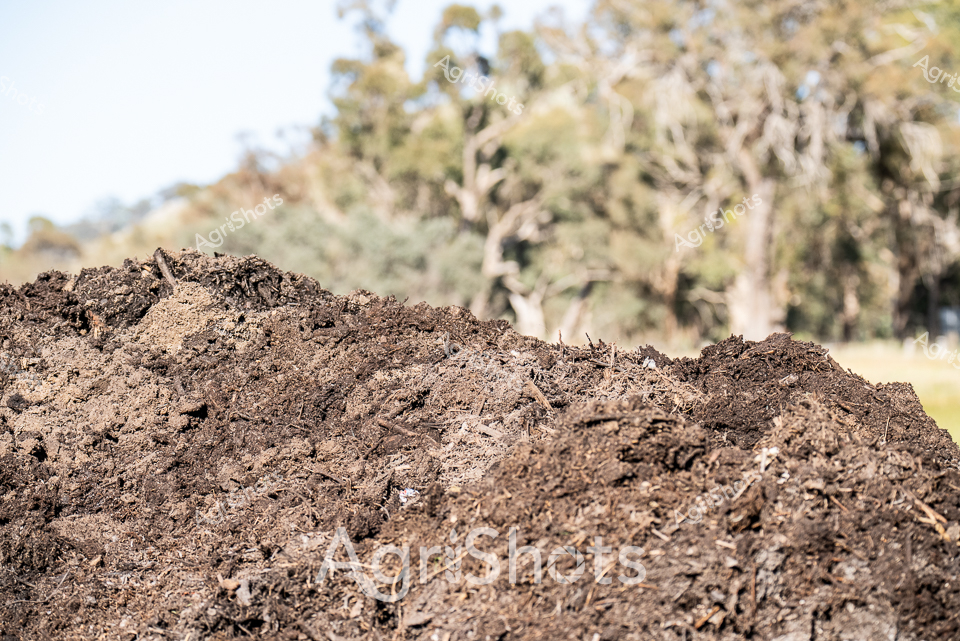
Rich, dark compost mounds rise in undulating waves, showcasing the intricate textures of decomposed organic matter. Broken twigs, leaf fragments, and dark humus blend together in a complex tapestry of earthy browns and charcoal grays, revealing the intricate process of nutrient recycling. Soft-focus eucalyptus trees in the background suggest a Victorian agricultural landscape, hinting at regenerative farming practices that transform green waste into vital soil nutrition. The compost pile represents a critical element of sustainable agriculture - converting agricultural and organic waste into living, fertile soil amendment that will nourish future crops. Sunlight filters softly across the scene, casting gentle shadows that highlight the varied textures and irregular contours of the decomposing material. This image captures the essential agricultural process of composting: a powerful method of waste reduction, soil regeneration, and ecological renewal that sits at the heart of modern sustainable farming practices.
 Image
Image
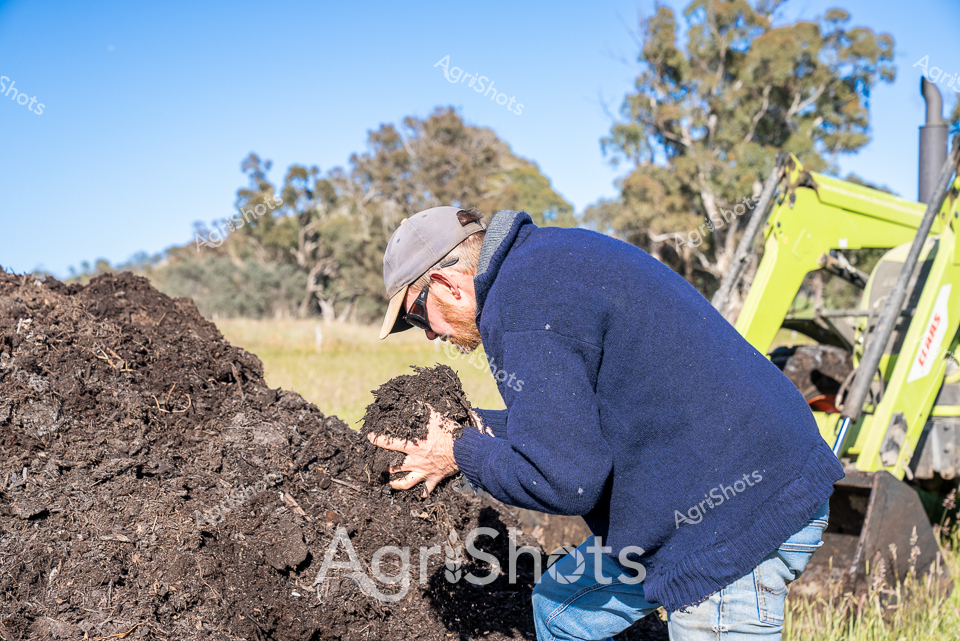
A seasoned farmer in a navy blue jumper and grey cap carefully examines dark, rich compost material on a rural Victorian property. His weathered hands gently cradle a handful of nutrient-dense organic matter, revealing the intricate textures of decomposed green waste and agricultural residue. A vibrant lime-green tractor sits in the background, hinting at the modern machinery supporting regenerative farming practices. The landscape unfolds with eucalyptus trees scattered across a gently undulating paddock, bathed in soft natural light that suggests early morning or late afternoon. This moment captures the essence of sustainable agricultural techniques, where waste becomes a valuable resource for soil health and future crop productivity. The scene embodies a holistic approach to farming - recycling, rebuilding soil biodiversity, and maintaining a deep connection between the farmer and the land.