About this image
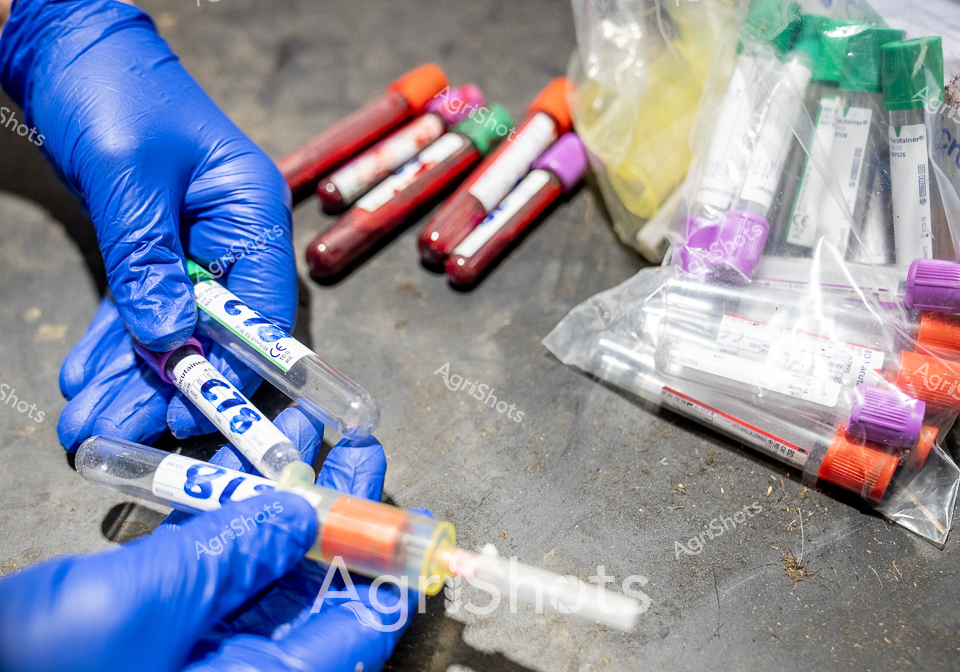
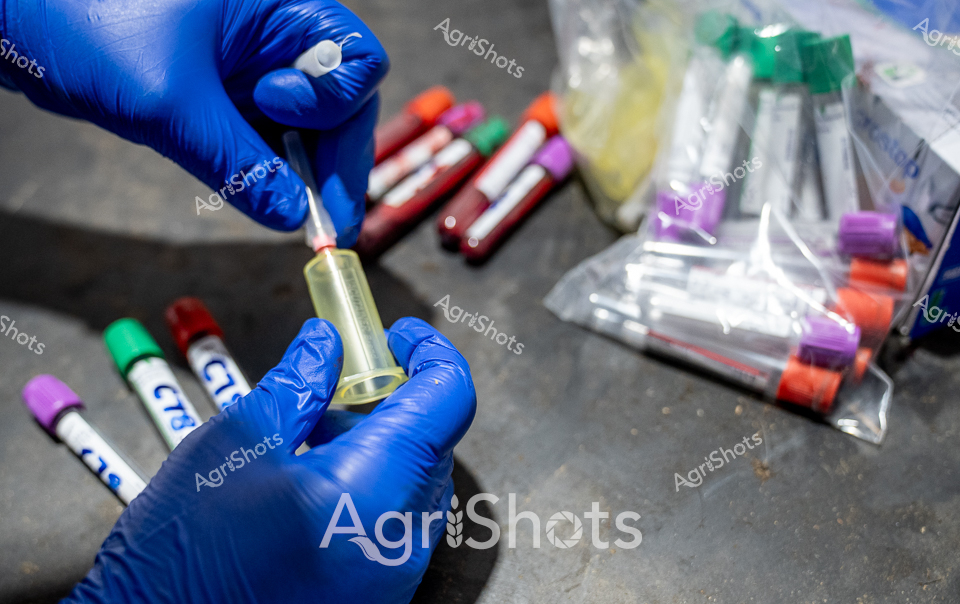
I'll describe the medical laboratory blood sample collection scene professionally: A gloved hand wearing a royal blue medical-grade examination glove carefully handles multiple blood collection tubes. The test tubes feature orange and purple caps, indicating different collection protocols, and are arranged on a clinical workstation with clear plastic specimen bags nearby. Precise laboratory procedures are evident in the methodical handling of diagnostic sampling equipment, with multiple tubes prepared for potential medical testing or research analysis. The sterile environment suggests a professional healthcare or diagnostic laboratory setting, with careful attention to sample management and medical protocols. The close-up perspective highlights the technical precision required in medical specimen collection and processing.
Similar media
 Image
Image
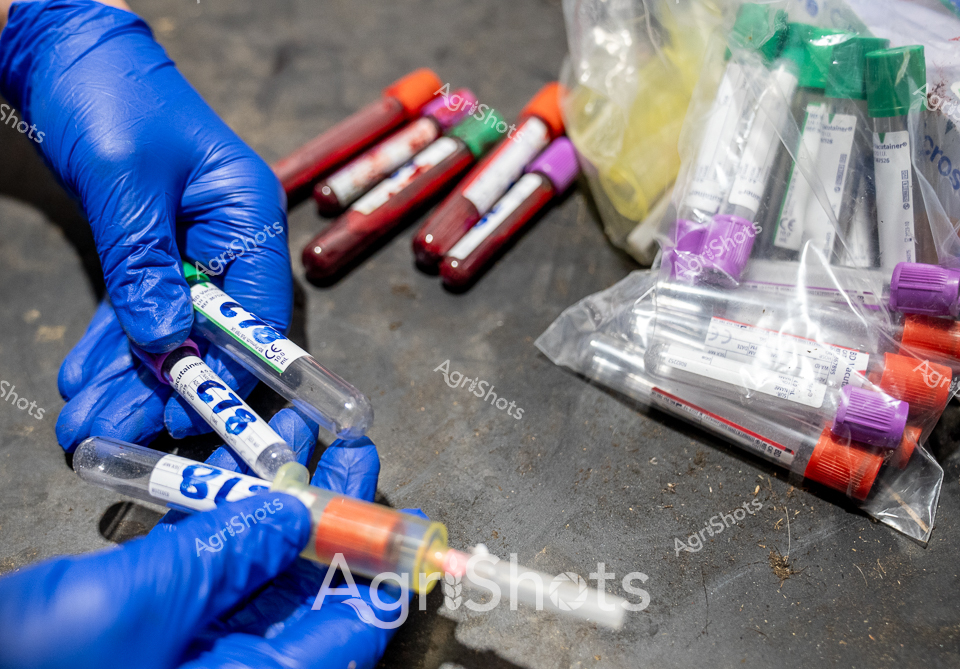
In a clinical veterinary setting, blue-gloved hands carefully manage a series of blood collection tubes with precision and care. Crimson-capped and purple-topped vials cluster across the frame, each meticulously labeled with sequential identification numbers. The robust testing equipment suggests advanced animal health diagnostics, likely for livestock disease screening or genetic research. Transparent plastic specimen bags and additional sterile tubes surround the primary working area, indicating a methodical approach to medical sampling. The gritty concrete surface beneath the specimens hints at a robust, no-nonsense agricultural laboratory environment typical of Victoria's sophisticated veterinary research facilities. The cool blue of the protective gloves contrasts sharply with the warm orange and deep purple tube caps, creating a visual representation of scientific rigor and careful medical protocol in agricultural animal health management.
 Image
Image
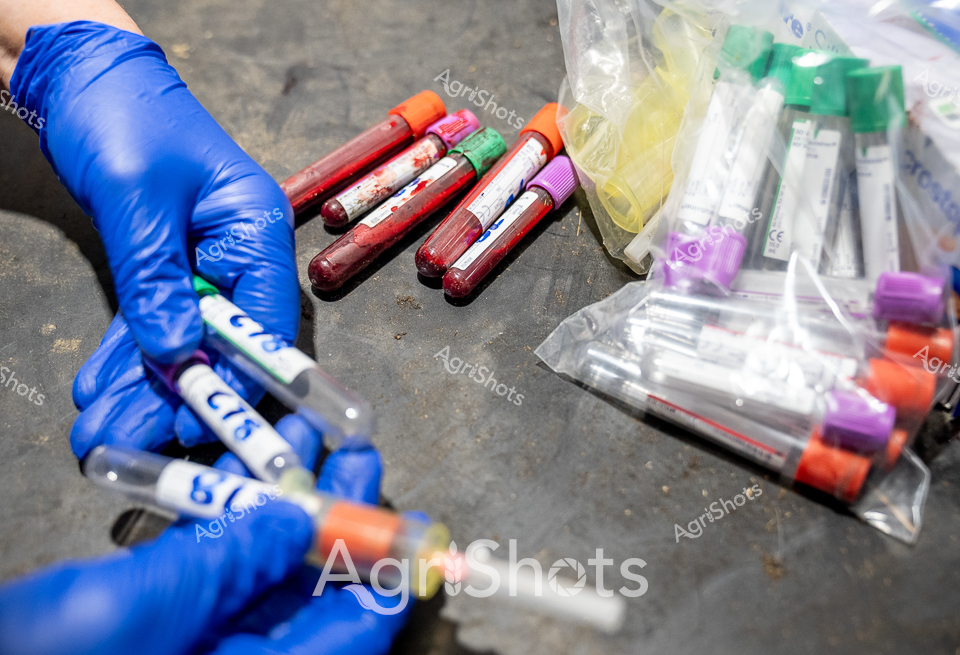
Blood sample collection in a veterinary diagnostic setting, with gloved hands carefully handling vials against a weathered surface. Deep blue nitrile gloves grip multiple test tubes containing dark red blood samples, each sealed with color-coded caps in vibrant orange, purple, and green. The precise, clinical arrangement suggests methodical scientific procedure - perhaps disease screening or health monitoring for livestock. Transparent plastic specimen bags with sealed edges stand ready, indicating a rigorous protocol for sample preservation and transport. The close-up perspective emphasizes the meticulous care and biosecurity essential in animal health management, with the textured background hinting at a rural veterinary clinic or field research environment. The image captures the critical intersection of agricultural science and animal welfare, where every carefully collected sample represents a potential insight into herd health and disease prevention.
 Image
Image
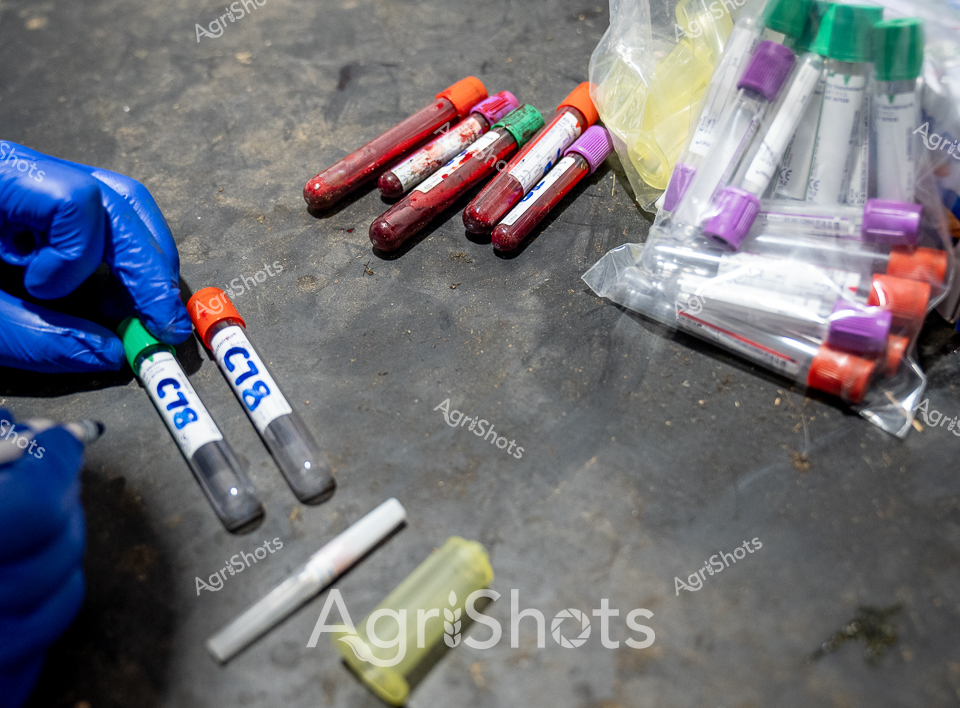
Blood collection vials and diagnostic equipment rest on a weathered surface, revealing the precise science behind livestock health management. Cobalt blue medical gloves grip testing tubes marked with CT8 identifiers, alongside ruby-red blood samples carefully positioned for analysis. Multiple vacuum tubes with color-coded stoppers - green, purple, and orange - suggest comprehensive veterinary testing protocols for disease screening or genetic evaluation. The clinical precision of the scene speaks to the advanced animal healthcare practices employed by Australian agricultural professionals, where every sample represents critical data in maintaining herd health and biosecurity. Soft shadows and a neutral background emphasize the methodical, professional approach to veterinary diagnostics in modern agricultural settings. The meticulous arrangement of sterile equipment and biological samples underscores the technical expertise required in contemporary livestock management.
 Image
Image
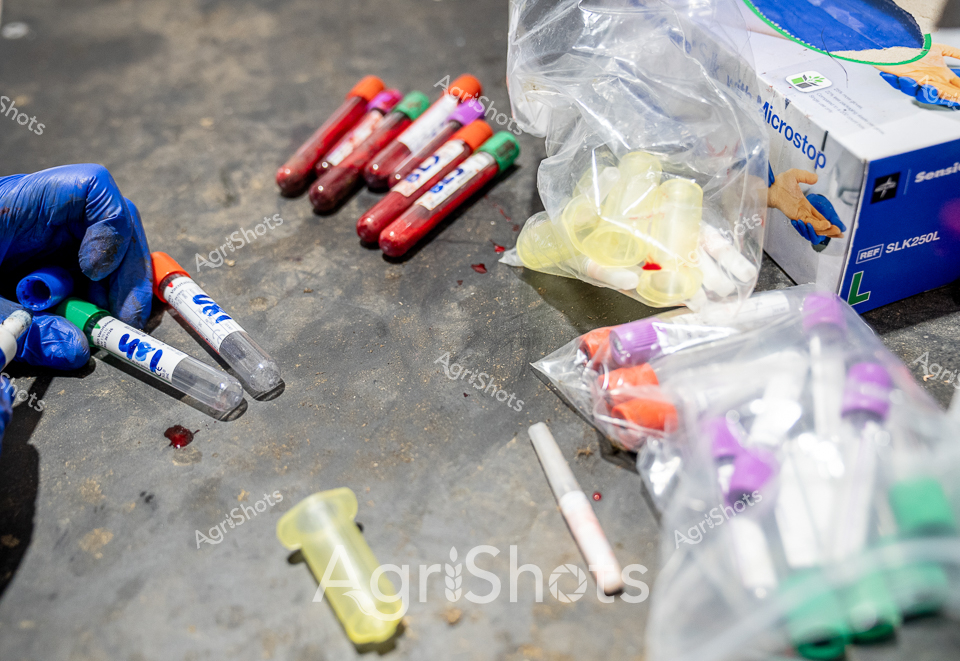
This image appears to be a medical or laboratory setting focused on blood sample collection and testing. Several blood collection tubes in red and purple are scattered on a grey surface, alongside medical gloves, plastic bags, and a box labeled "Microstop". A gloved hand is partially visible, suggesting a medical professional is working with these diagnostic materials. The tubes have different colored caps, indicating various types of blood tests or sample processing. The scene looks clinical and professional, with careful arrangement of sterile medical equipment and collection supplies.
 Image
Image
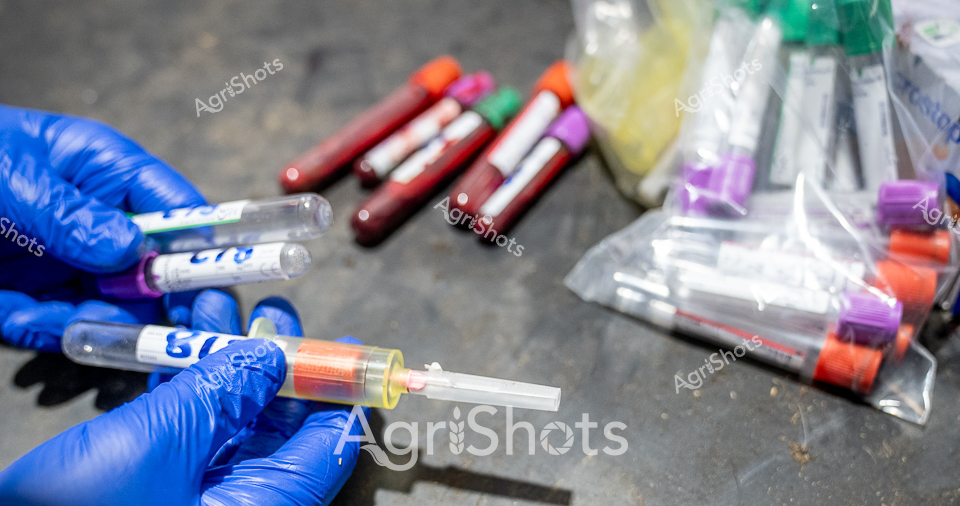
Australian veterinary diagnostics unfold in meticulous detail - blue-gloved hands carefully managing blood collection tubes with precise professional technique. Crimson and purple-topped sterile collection vials rest against a neutral gray laboratory surface, representing advanced animal health screening protocols. The gleaming needles and organized testing equipment suggest a controlled, scientific environment focused on livestock medical research and disease prevention. Specialized medical-grade blue nitrile gloves grip the sampling equipment, highlighting the careful, hygienic approach essential in veterinary diagnostics. The color palette of deep blues, vibrant purples, and clinical whites communicates a sense of technological precision and advanced agricultural healthcare methodologies. Each element - from the strategically placed vials to the methodical hand positioning - speaks to the sophisticated medical infrastructure supporting Australia's world-class agricultural sector.
 Image
Image
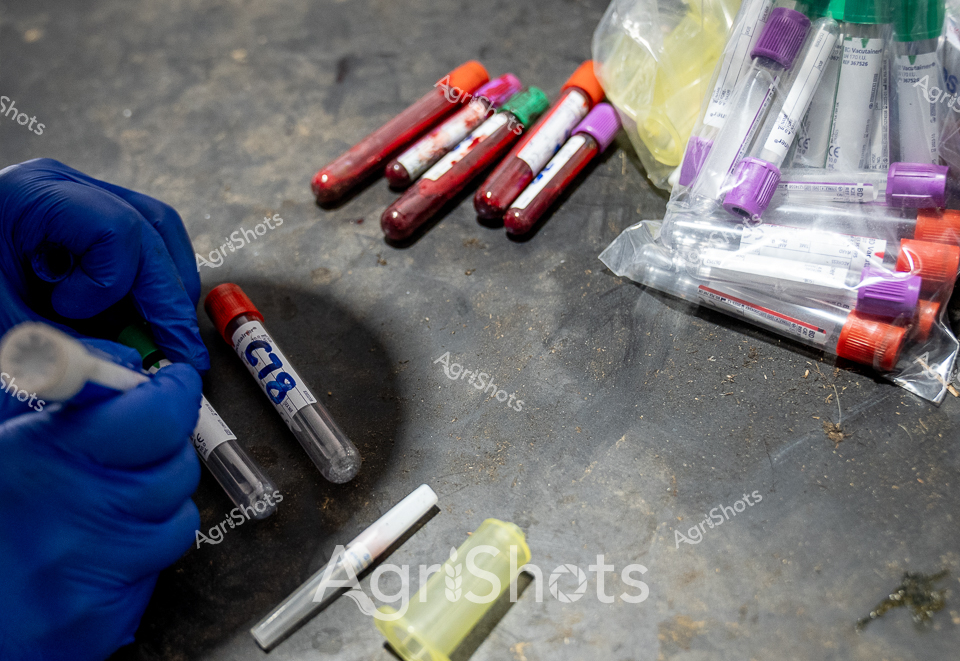
Blood Collection for Veterinary Diagnostics Deep blue nitrile gloves cradle delicate glass test tubes, each carefully labeled and filled with crimson blood samples. The precise hands of a veterinary professional methodically arrange diagnostic vials against a weathered concrete workspace, capturing the critical moment of livestock health monitoring. Sealed plastic bags and an array of collection tubes with distinctive colored caps - purple, red, and orange - suggest a comprehensive veterinary screening process, likely tracking disease markers or genetic analysis for agricultural livestock. The clinical setting speaks to modern agricultural science, where precise medical interventions can protect entire herds and ensure food chain safety. Sterile equipment and meticulous handling underscore the sophisticated diagnostic techniques employed in contemporary animal health management, bridging traditional farming practices with cutting-edge medical technology. Each tube represents a potential insight into animal wellness, a silent sentinel of agricultural biosecurity.
 Image
Image
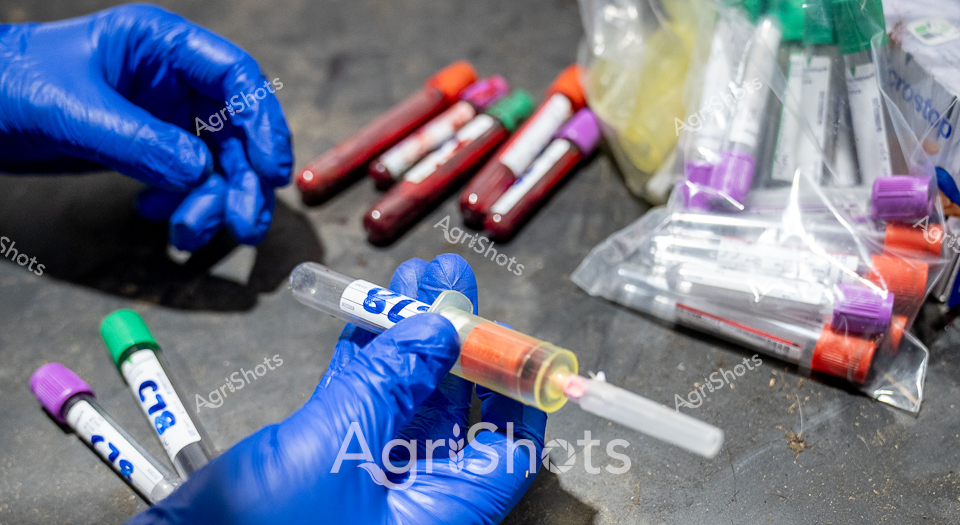
Blood Sample Collection in Veterinary Diagnostics Gloved hands steady a delicate clinical syringe against a backdrop of medical collection tubes, capturing the precision of agricultural animal health research. Deep blue nitrile gloves protect the technician's hands as they carefully manage blood specimen vials with red and purple cap seals. Multiple diagnostic tubes are meticulously arranged across a sterile gray surface, each carefully labeled and prepared for laboratory analysis. The clinical environment speaks to the sophisticated scientific processes underlying livestock health management, where every sample represents critical data about animal wellness and potential disease prevention. Crisp, clinical textures contrast with the organic nature of the biological samples, highlighting the advanced veterinary diagnostic techniques used in modern agricultural practice. This image represents the intersection of agricultural science, animal care, and medical technology - a crucial moment in maintaining the health and productivity of livestock populations.
 Image
Image
Precision and care define this intimate veterinary diagnostic moment. Gloved hands, clad in deep blue nitrile, carefully manipulate a glass test tube against a clinical backdrop of scattered medical supplies. Crimson, green, and purple-capped blood collection tubes are meticulously arranged, suggesting a systematic approach to animal health testing. The metallic surface and scattered diagnostic equipment hint at a professional laboratory environment, likely situated in a Victorian agricultural research facility. Each movement is deliberate - a delicate transfer of biological sample demonstrates the critical intersection of scientific methodology and animal welfare. The cool color palette and sterile arrangement communicate the sophisticated, controlled nature of veterinary diagnostic work, where every milliliter of fluid represents potential insights into livestock health and agricultural productivity.