About this image
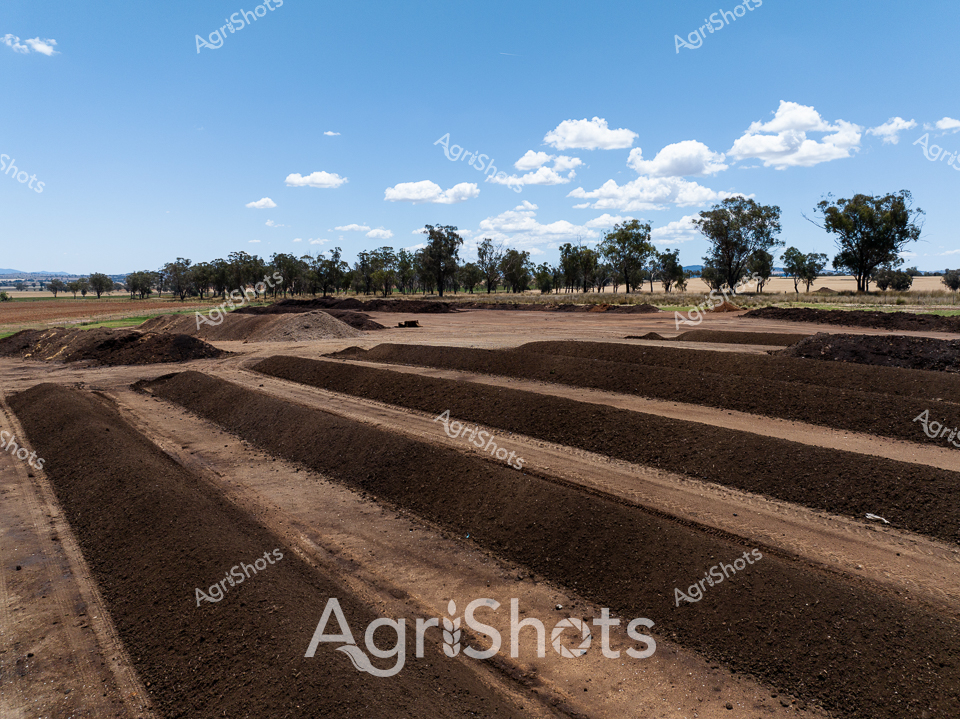
Rich, dark furrows of composting material stretch across a rural paddock under a bright Australian sky, showcasing an innovative approach to regenerative agriculture. Neat, parallel rows of organic waste material create a geometric landscape, transforming agricultural byproducts into nutrient-rich soil amendment. Mature eucalyptus trees line the distant horizon, providing a classic Australian rural backdrop of soft blues and earthy browns. The composting site demonstrates sophisticated waste recycling techniques, with carefully managed rows designed to break down organic matter efficiently and return vital nutrients to the agricultural ecosystem. Sunlight casts subtle shadows across the textured surface of the compost, highlighting the careful layering and scientific precision of modern sustainable farming practices. This scene captures the essence of regenerative agriculture - turning waste into a valuable resource that can rebuild soil health, sequester carbon, and support more resilient farming systems.
Similar media
 Image
Image
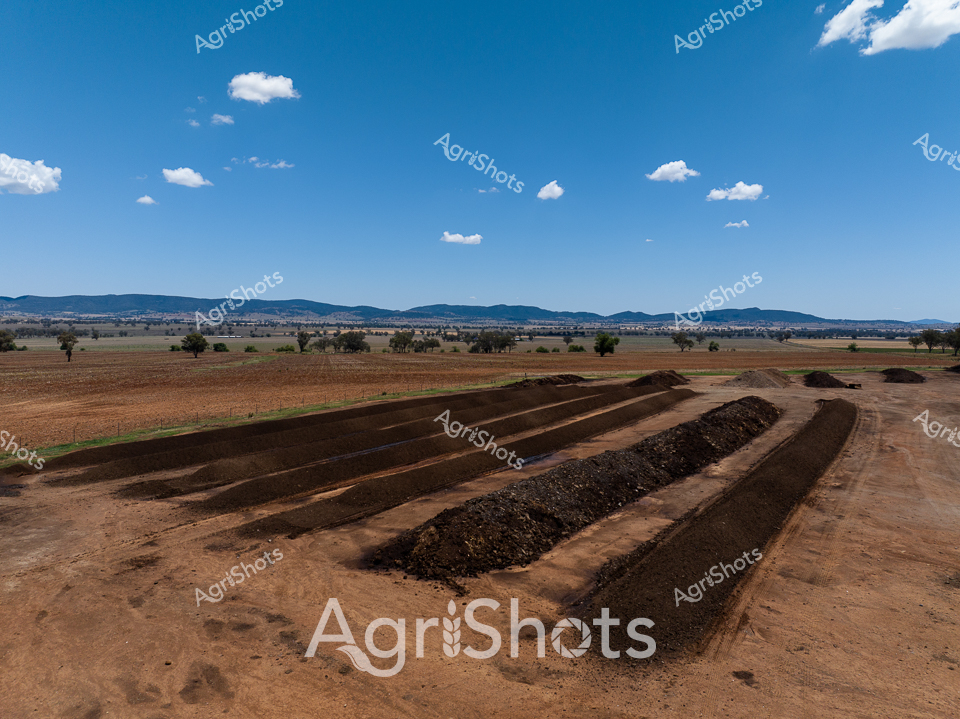
Sweeping across the sunbaked landscape of rural New South Wales, long windrows of dark, rich organic compost stretch out in precise parallel lines against a backdrop of distant blue mountains and scattered eucalyptus trees. The expansive agricultural scene reveals a critical regenerative farming practice, where carefully managed organic waste is transformed into nutrient-dense soil amendment. Rich chocolate-brown compost mounds rise from the terracotta-colored earth, capturing the essence of sustainable agricultural recycling and soil health restoration. Puffy white clouds drift lazily across an intense azure sky, casting subtle shadows on the meticulously arranged composting rows that represent an innovative approach to waste reduction and soil fertility. The geometric precision of the windrows contrasts beautifully with the undulating natural landscape, demonstrating how modern agricultural techniques can work in harmony with the traditional rural Australian environment. This image encapsulates the progressive spirit of contemporary farming - turning waste into a valuable resource that nurtures the land and supports sustainable food production.
 Image
Image
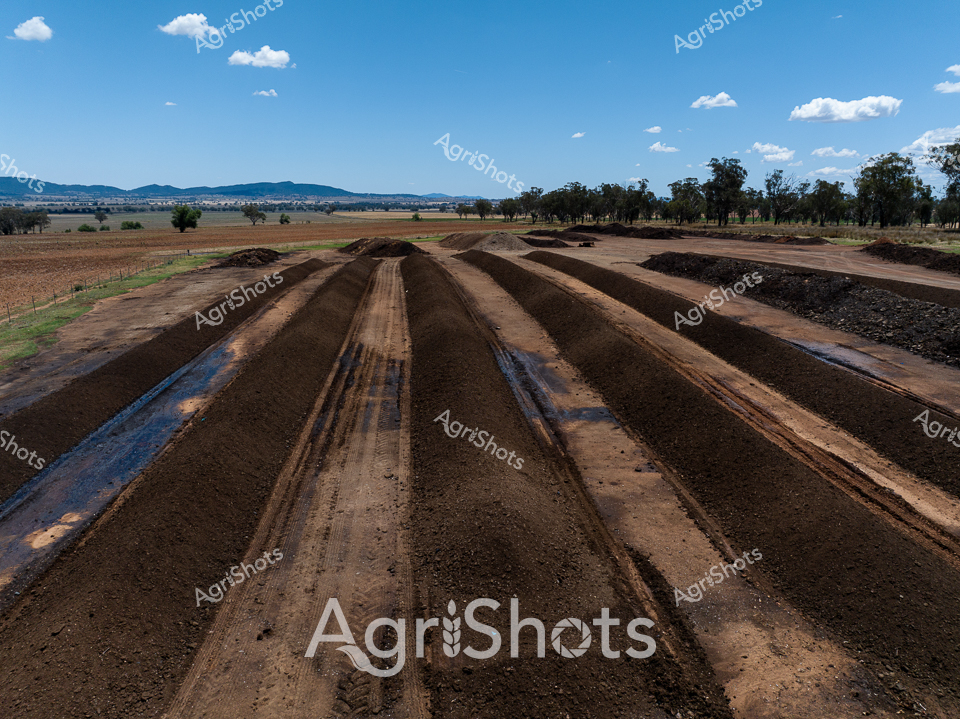
Sprawling rows of rich, dark earth rise like agricultural waves across this expansive composting facility in rural New South Wales. Carefully cultivated mounds of organic matter stretch toward distant blue mountain ranges, revealing a sophisticated regenerative farming process that transforms agricultural waste into nutrient-dense soil amendments. The precisely formed windrows - long, methodical heaps of decomposing material - showcase an intricate recycling technique that captures carbon, rebuilds soil biodiversity, and reduces waste through controlled biological breakdown. Warm sunlight casts distinct shadows across the varying brown and charcoal textures, highlighting the methodical ridges and troughs of each composting row. In the background, scattered eucalyptus trees and a wide-open landscape frame this innovative agricultural practice, symbolizing Australia's commitment to sustainable farming technologies. This landscape represents more than mere waste management - it's a critical ecological restoration process that reconnects agricultural systems with natural regenerative cycles.
 Image
Image
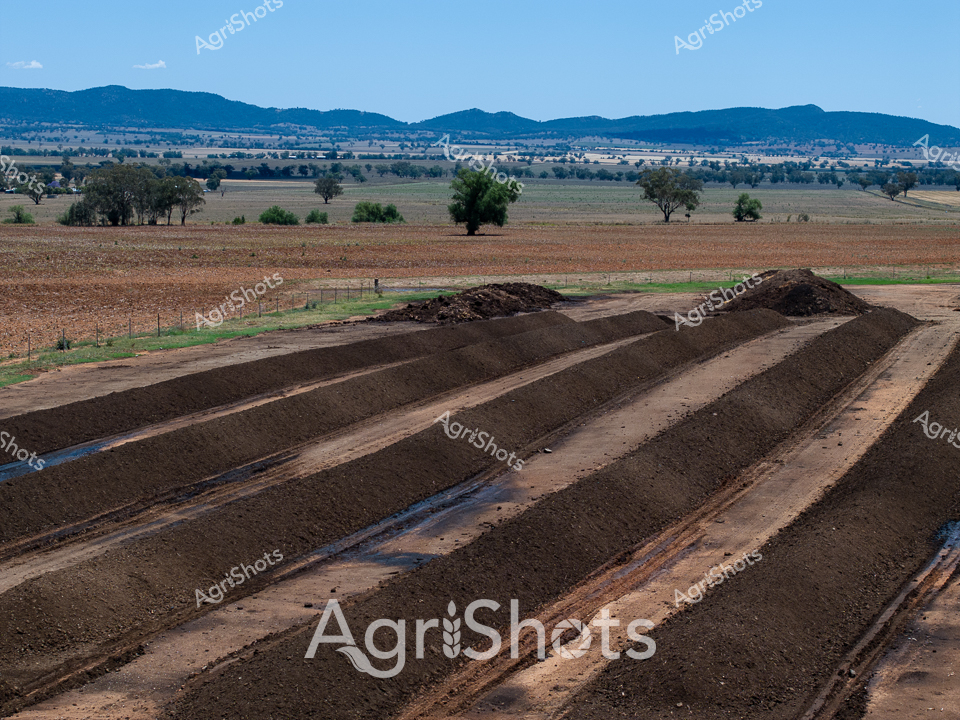
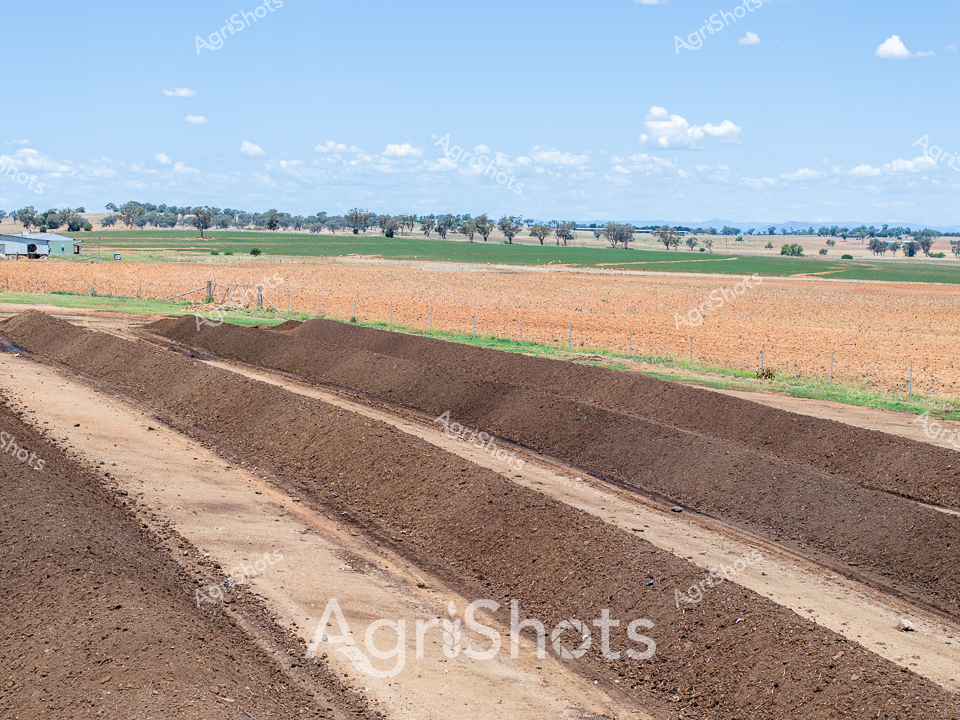
Expansive rolling mounds of rich, dark organic compost stretch across a prepared agricultural landscape in rural New South Wales. These carefully constructed windrows represent cutting-edge regenerative farming techniques, transforming agricultural waste into nutrient-dense soil amendments that will rejuvenate farmland. The orderly rows of composting material sit against a backdrop of undulating mountain ranges and scattered eucalyptus trees, capturing the essence of Australian agricultural innovation. Carefully engineered channels between the compost mounds allow for controlled moisture and oxygen circulation, supporting the biological breakdown of organic matter. The earthy brown textures of the compost contrast beautifully with the soft greens and blues of the distant agricultural plains, highlighting the sustainable practices of modern farming. This scene embodies the sophisticated approach to soil management and waste reduction in contemporary Australian agriculture, demonstrating how strategic composting can enhance biodiversity and agricultural productivity.
 Image
Image
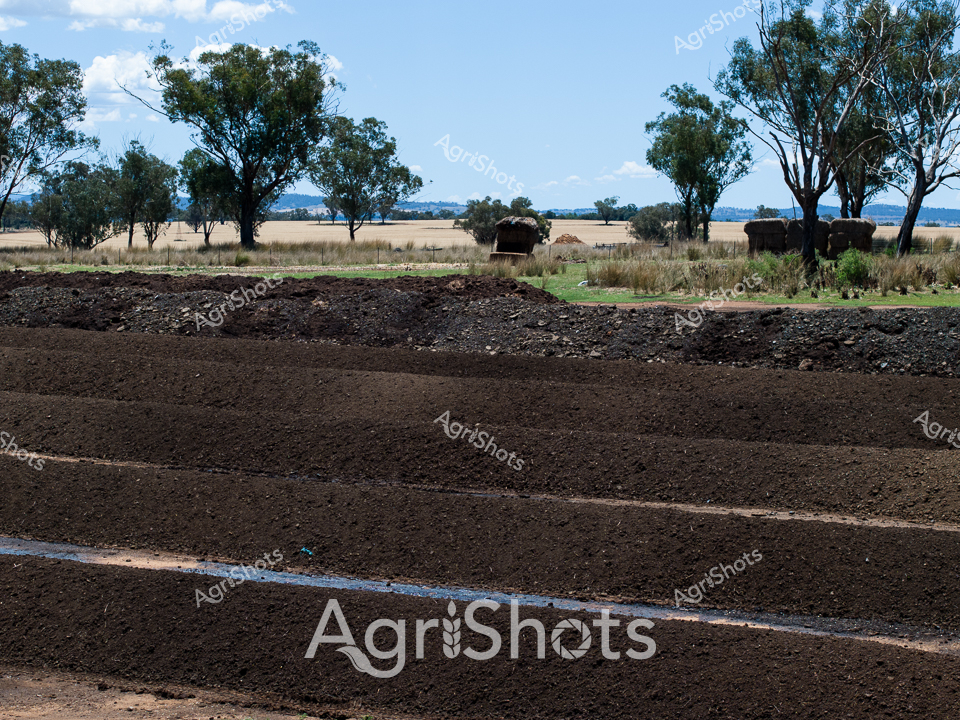
Nutrient-rich compost mounds rise like earthen waves across a quintessential New South Wales agricultural landscape. Dark, fertile soil has been carefully layered and managed, representing advanced regenerative farming techniques that focus on organic matter recycling and sustainable land management. The rich brown compost banks contrast brilliantly against the rust-orange tilled fields and soft green pastures dotted with scattered eucalyptus trees in the distant background. Expansive azure skies with delicate white clouds frame this pastoral scene, highlighting the wide-open agricultural terrain typical of inland Australian farming regions. These meticulously constructed compost rows demonstrate sophisticated waste reduction strategies, transforming agricultural and organic waste into valuable soil amendments that enhance biodiversity and soil health. The precise geometric lines of the compost mounds reflect modern agricultural precision, showcasing how innovative farmers are embracing circular economy principles to improve crop productivity and environmental sustainability.
 Image
Image
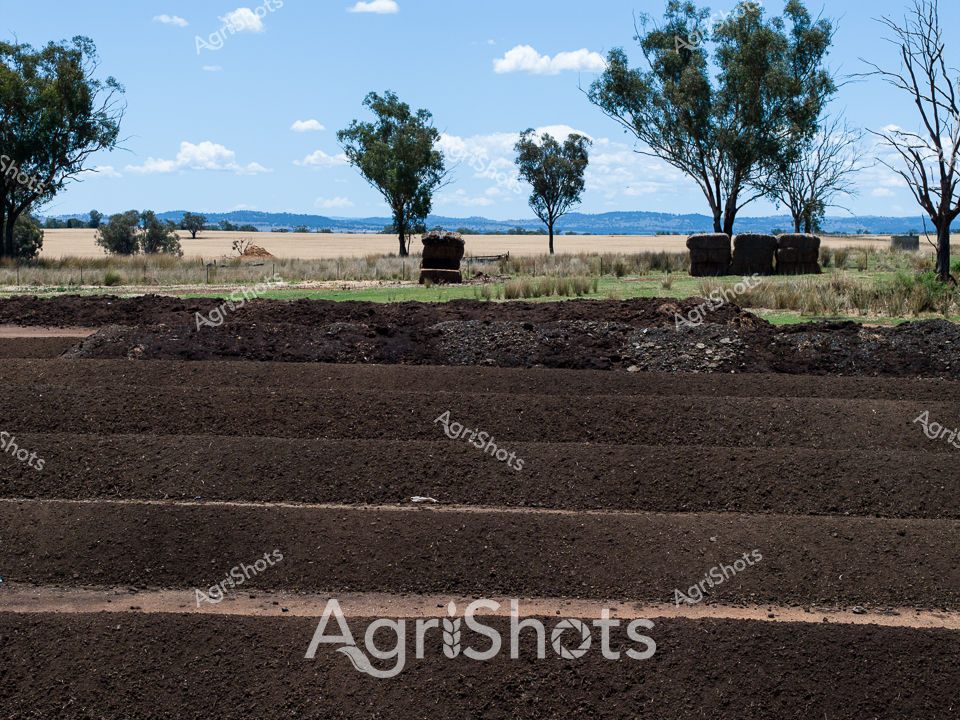
Dark, rich soil mounds terrace the foreground in precise, leveled rows, revealing an innovative composting and soil regeneration site in rural New South Wales. Eucalyptus trees frame the distant horizon, casting gentle shadows across the golden grasslands and creating a quintessential Australian agricultural landscape. These carefully constructed soil beds suggest an advanced regenerative farming approach, where organic matter is systematically processed to restore soil health, enhance biodiversity, and reduce agricultural waste. The deep chocolate-brown soil texture indicates high organic content, likely derived from carefully managed agricultural and livestock waste streams. Neat irrigation channels run between the soil rows, demonstrating a methodical and scientific approach to sustainable land management. The expansive, open landscape speaks to the innovative spirit of Australian farmers who are pioneering ecological farming techniques that balance productivity with environmental stewardship.
 Image
Image
Dark, freshly turned soil beds stretch across the foreground, revealing the meticulous preparation of agricultural land in rural New South Wales. Rows of rich, dark earth create a geometric pattern, showcasing regenerative farming practices that focus on soil health and organic matter recycling. Hay bales and weathered gum trees punctuate the distant landscape, with rolling hills and a soft blue sky creating a quintessential Australian pastoral scene. The composting area demonstrates an innovative approach to waste reduction and sustainable agriculture, transforming organic materials into nutrient-rich fertilizer that will nurture future crops. Soft clouds drift overhead, suggesting a mild day perfect for agricultural work, with the carefully cultivated soil representing the intersection of traditional farming wisdom and modern ecological practices. The image captures the essence of Australian agricultural innovation - a careful balance of land management, resource recycling, and environmental stewardship.
 Image
Image
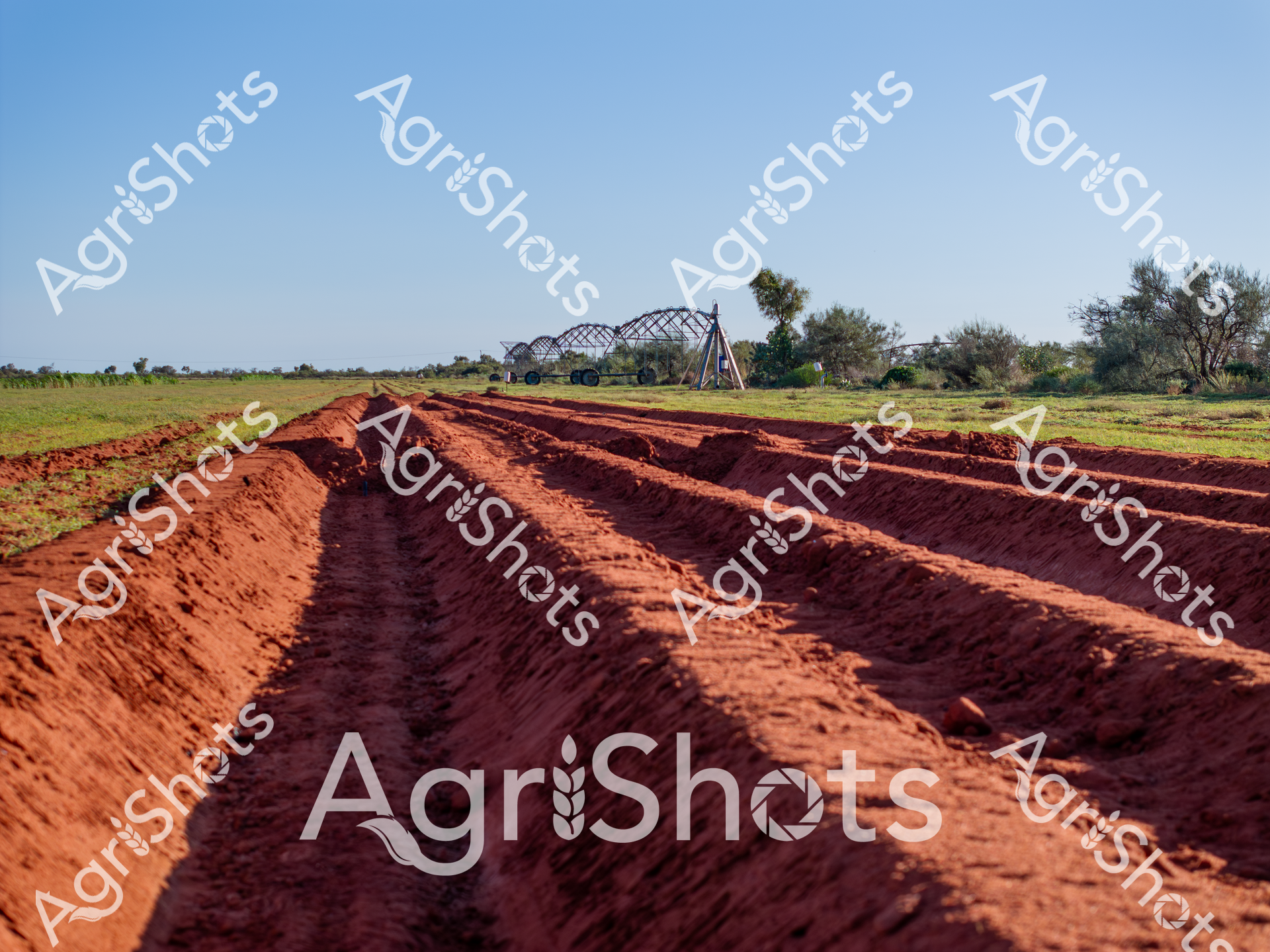
Expansive windrows of dark, rich compost stretch across the foreground, their carefully constructed mounds rising and falling like agricultural waves against a backdrop of rolling rural New South Wales farmland. These meticulously managed organic waste piles represent cutting-edge regenerative farming techniques, transforming agricultural and organic waste into nutrient-dense fertiliser through controlled decomposition. Neat rows of mature trees punctuate the distant landscape, their silhouettes standing sentinel over verdant fields and blue-hued mountain ranges that fade softly into the horizon. Each compost windrow demonstrates precision agricultural engineering - strategically positioned to maximize microbial activity, moisture retention, and organic matter transformation. The earthy brown tones of the decomposing material contrast beautifully with the pale dirt paths and the vibrant green margins, highlighting the sophisticated process of converting waste into valuable soil enrichment. This scene epitomizes contemporary sustainable agricultural practices, where waste reduction, recycling, and soil health converge in a harmonious landscape of environmental stewardship.
 Image
Image
Rows of deep red soil trenches stretch across a verdant landscape in Australia's Northern Territory, with an irrigation system visible in the background. These carefully prepared ground beds, likely for asparagus cultivation, showcase the precision of agricultural practices in the Barkly Region during the winter season, highlighting the rich potential of this arid yet fertile environment.