About this image
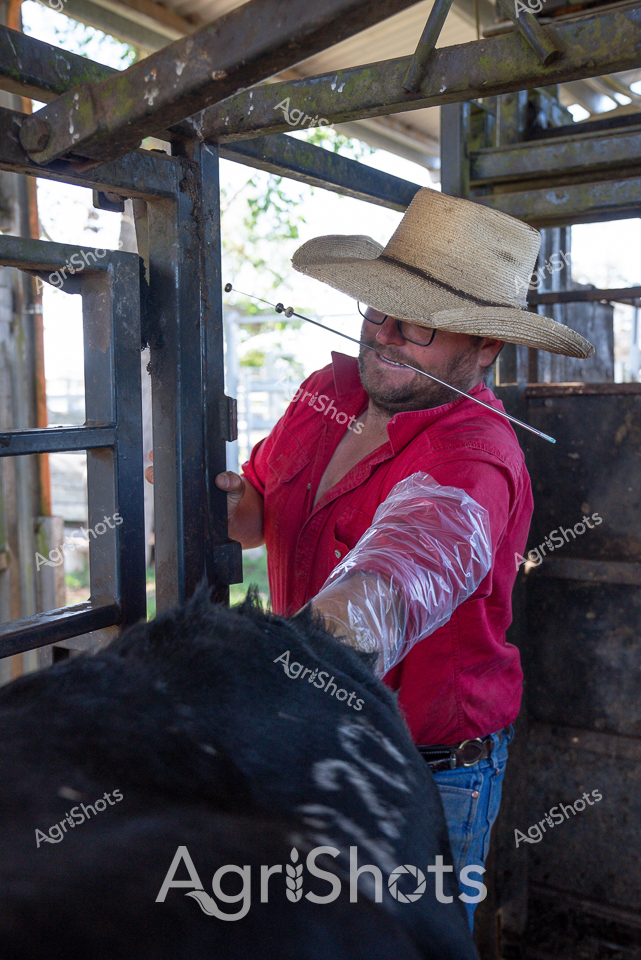
Nestled in the weathered cattle yards of New England, New South Wales, a skilled livestock technician prepares for artificial insemination of Angus cattle. Wearing a broad-brimmed straw hat and a vibrant red work shirt, the professional carefully navigates the steel livestock crush, with a protective clear plastic sleeve covering their arm. The metallic gates and framework of the yard create a grid-like backdrop, filtering soft natural light through weathered timber and steel structures. Precise and focused, the technician demonstrates the intricate skills of cattle breeding, a critical process in maintaining and improving stud livestock genetics. The deep black hide of an Angus cow dominates the foreground, representing the prized breed of the New England region. This moment captures the sophisticated intersection of agricultural science and traditional farming practice, where generations of breeding knowledge merge with modern reproductive techniques to ensure the continued excellence of Australian cattle production.
Similar media
 Image
Image
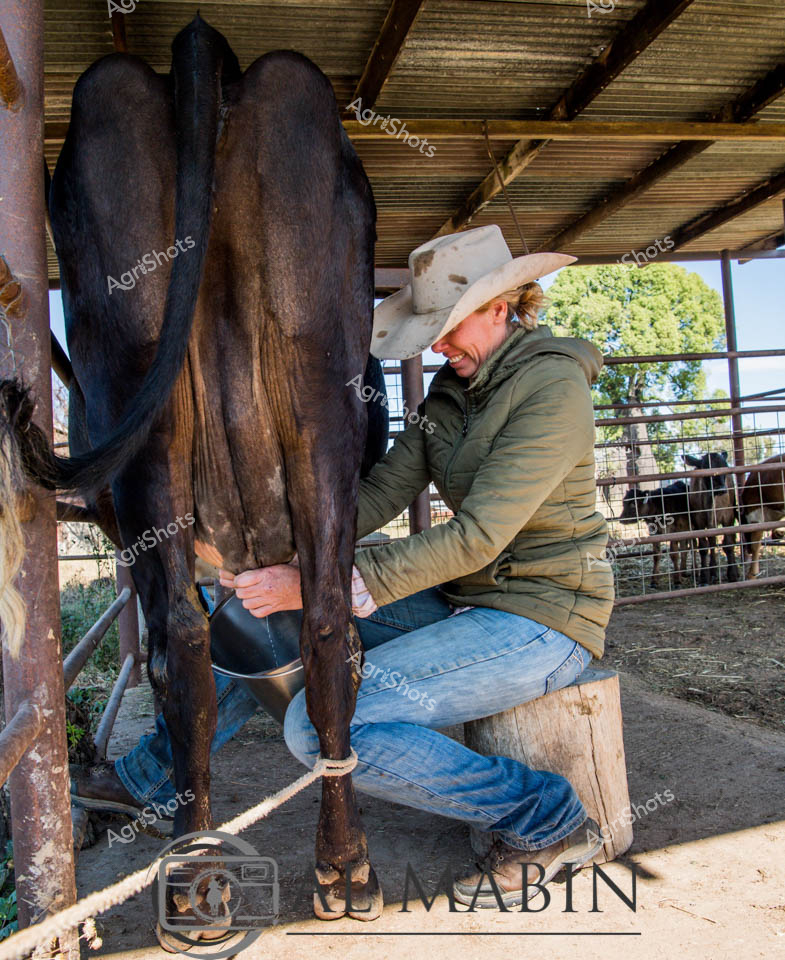
Morning milking unfolds in a rustic shed, where a seasoned dairy worker tenderly extracts milk from a deep-black Holstein cow. Perched on a weathered wooden stool, the worker wears a classic Australian rural ensemble - a faded olive jacket, well-worn blue jeans, and a cream-colored wide-brimmed stockman's hat. Soft sunlight filters through the corrugated iron roof, casting gentle shadows across the compact milking station, with livestock pens visible in the background. The worker's hands move with practiced precision, each motion revealing years of experience in dairy farming, a testament to the skill and dedication of Queensland's agricultural professionals. The cow stands patiently, her glossy black coat highlighting the intimate connection between farmer and animal in this quintessential rural scene. Metal milking equipment and rope ties suggest a traditional yet functional workspace, embodying the pragmatic spirit of Australian farming culture.
 Image
Image
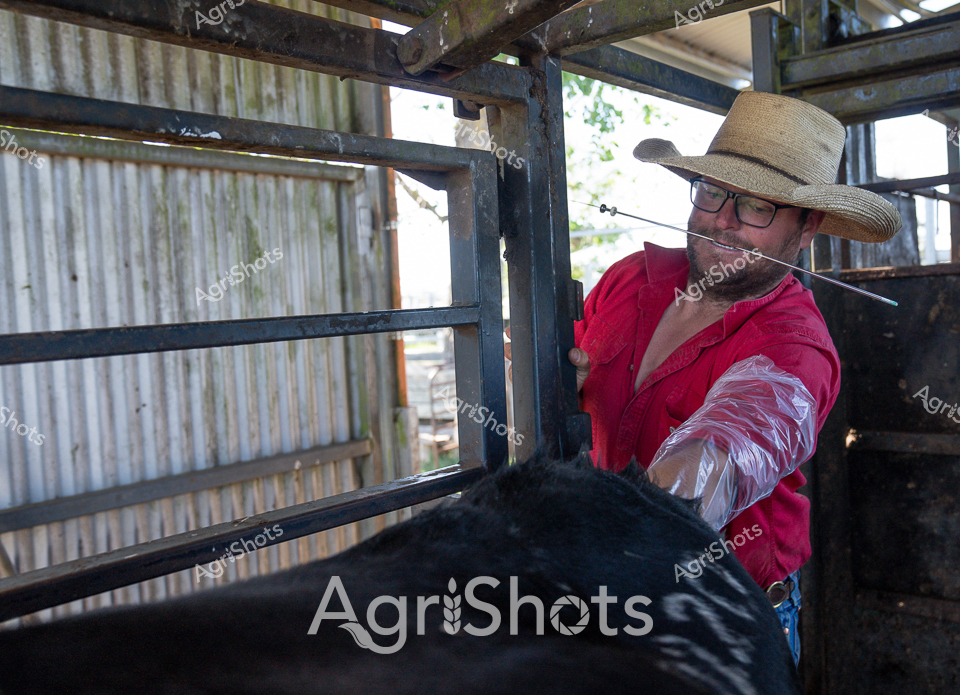
In the dim, weathered confines of a cattle yard, a skilled livestock professional performs artificial insemination on an Angus cow. Clad in a vibrant red shirt and protective clear sleeve, the practitioner wears a wide-brimmed straw hat and glasses, reflecting the practical attire of rural agricultural workers. The steel-framed cattle crush provides a sturdy, utilitarian backdrop of corrugated metal and robust metal bars, typical of New England region farming infrastructure. Precision and care are evident in the careful positioning and focused demeanor of the worker, highlighting the technical expertise required in modern cattle breeding practices. The image captures the quiet intensity of agricultural work, where generations of breeding knowledge meet advanced reproductive technologies. Rich textures contrast throughout the scene - the soft straw hat, clinical plastic sleeve, weathered metal infrastructure, and the deep black coat of the Angus cattle - representing the nuanced intersection of tradition and innovation in Australian agricultural practices.
 Image
Image
Dusty cattle yards echo with the quiet concentration of a seasoned stockman during a routine livestock management session. Wearing a classic wide-brimmed Australian work hat and vibrant blue shirt, the worker carefully administers an ear tag to a docile beef cattle using a green Trutest tagging tool. Weathered metal yards with rusty red and galvanized steel posts frame the scene, suggesting a remote Queensland cattle station where generations of agricultural expertise unfold. The stockman's careful, practiced movements reflect the precision required in modern cattle husbandry - each tag representing important tracking and management data for the herd. Soft natural light illuminates the tight working space, capturing the intimate moment between human and animal in a quintessential Australian agricultural setting. The scene embodies the blend of traditional skills and contemporary livestock management techniques that define contemporary rural Queensland.
 Image
Image
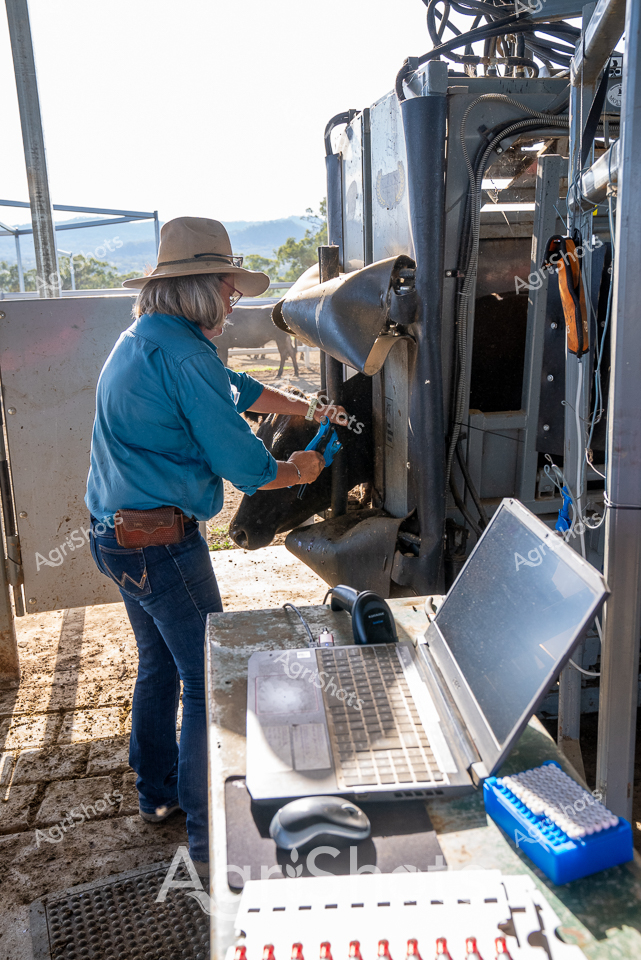
Autumn sunlight filters across the New England high country as an experienced agricultural worker tends to a sophisticated cattle management station. Wearing a wide-brimmed hat and a well-worn blue work shirt, the individual carefully operates a modern cattle crush - a precision engineering marvel designed for safe, humane livestock handling. Gleaming metallic equipment surrounds her, with a laptop and digital recording devices positioned nearby, suggesting advanced genetic data collection or DNA testing protocols for a high-value Wagyu cattle breeding program. The rugged landscape beyond hints at the expansive pastoral setting, with distant hills and sparse vegetation typical of New South Wales' elevated tablelands. Every piece of equipment appears meticulously maintained, reflecting the professional approach of contemporary agricultural practitioners. Blue technical containers, industrial metallic surfaces, and carefully arranged technological tools underscore the sophisticated intersection of traditional farming and cutting-edge agricultural science. This scene powerfully captures the evolving role of women in agricultural technology, showcasing expertise, precision, and a deep connection to livestock management in the Australian rural landscape.
 Image
Image
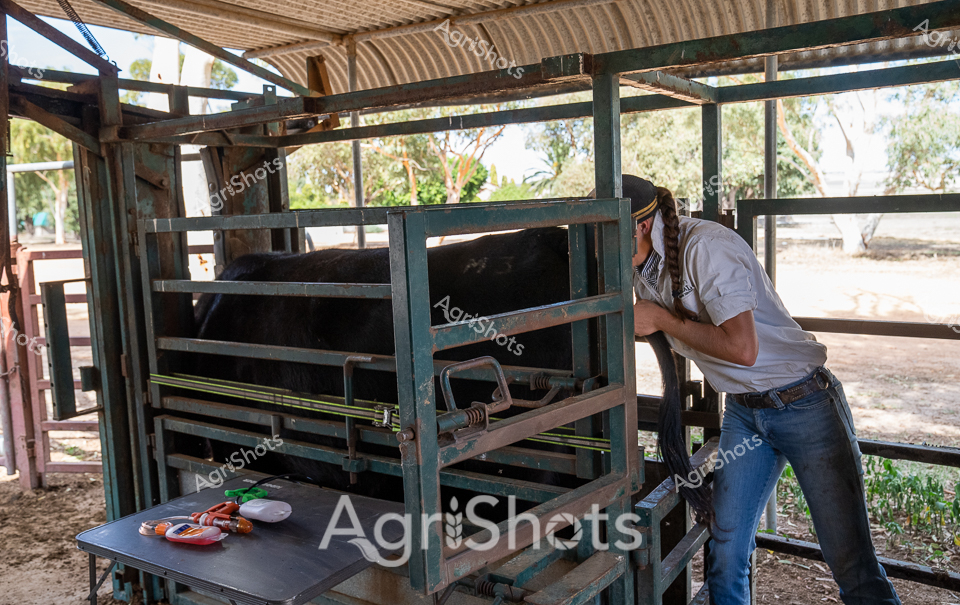
A seasoned livestock professional operates a robust steel cattle crush in a sunlit rural Australian setting, preparing to conduct pregnancy testing and health checks on a black bovine. Wearing practical workwear of white shirt and blue jeans, she leans intently into the metallic framework, her expertise evident in her precise positioning and controlled movement. The sturdy green-painted cattle yard infrastructure surrounds her, with corrugated iron roofing casting dappled shadows across the dusty ground and scattered gum trees visible in the background. Veterinary equipment and tools lay ready on a side table - orange and white implements signaling preparation for careful animal management. This scene captures the meticulous care and technical skill required in modern agricultural practice, where animal welfare and reproductive management are critical to sustainable farming operations. The image speaks to the professionalism of contemporary agricultural workers, particularly women, who bring scientific precision and compassionate expertise to livestock management in challenging rural environments.
 Image
Image
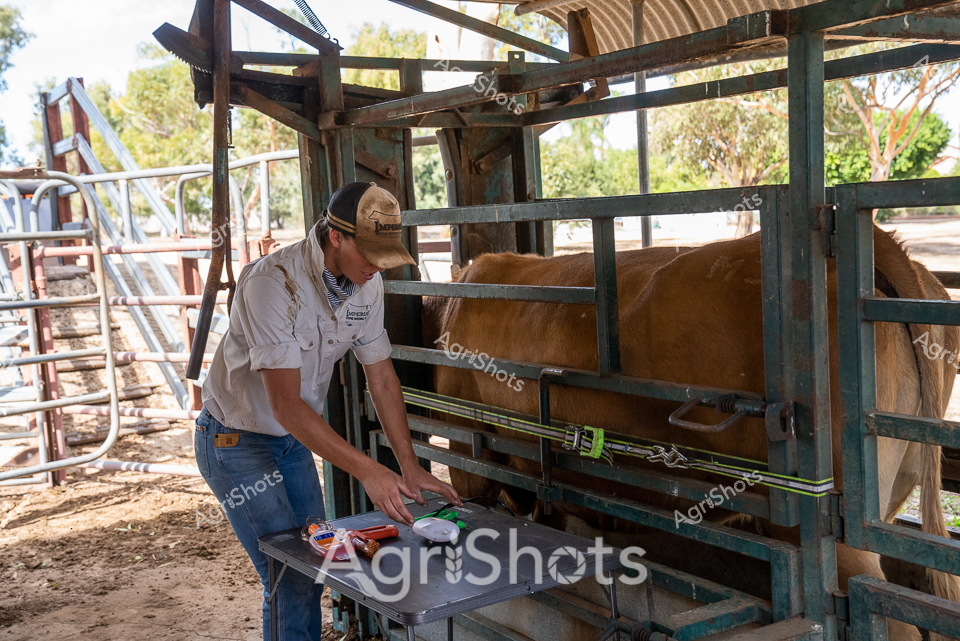
In the warm sunlight of a Western Australian cattle yard, a skilled agricultural worker carefully prepares for routine livestock health management. Wearing a crisp white work shirt and a protective cap, she stands beside a robust steel cattle crush, methodically organizing veterinary supplies on a nearby workstation. A rich, chestnut-colored beef cattle is securely positioned within the metal restraining structure, awaiting vaccination and health assessment. The metal yards gleam with a weathered green patina, surrounded by dusty ground and filtered sunlight through nearby eucalyptus trees. This scene captures the precise, professional approach of modern agricultural practice - a moment of careful animal husbandry that represents the dedication of women working in agriculture. The equipment and setting speak to the meticulous care and technological sophistication of contemporary cattle management in rural Western Australia.
 Image
Image
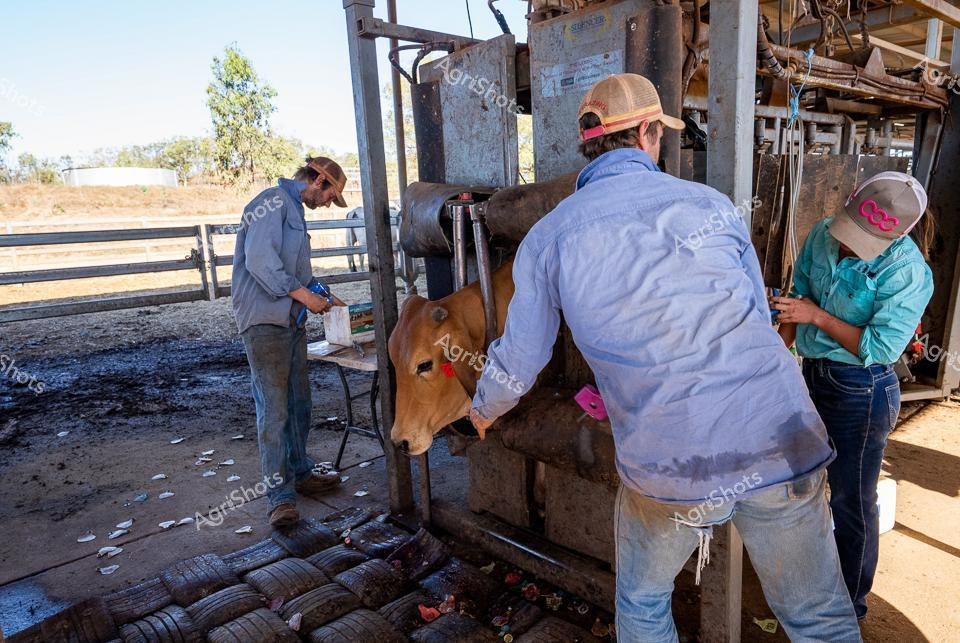
Cattle induction unfolds in the stark Northern Territory landscape, where a compact cattle yard becomes a hub of methodical rural activity. A tawny Brahman heifer stands quietly in the metal cattle crush, her distinctive pale coat marked with subtle coloration against the dusty, tire-lined processing area. Three workers in practical workwear - blue chambray shirts, sturdy jeans, and protective caps - collaborate with practiced efficiency, each managing a specific task in the livestock management process. The harsh sunlight casts sharp shadows across the compacted earth, highlighting the industrial infrastructure of gates, chutes, and processing equipment typical of large pastoral stations. One worker prepares medication or identification tools, while another carefully manages the animal's movement, demonstrating the careful balance of animal handling and agricultural technology. The scene captures the rhythmic precision of cattle station operations, where generations of knowledge merge with modern veterinary practices to maintain herd health and productivity in Australia's challenging rural environments.
 Image
Image
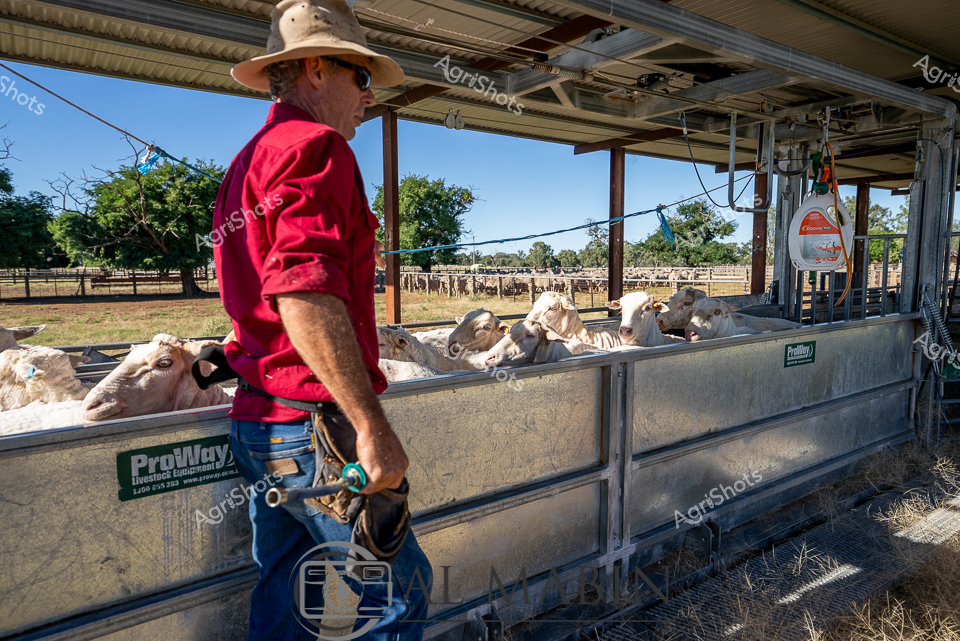
Under the steel-framed shelter of a ProWay livestock handling system, a seasoned farmer in a vibrant red shirt and wide-brimmed sun hat manages a pen of pristine Merino sheep. The late morning sunlight casts sharp shadows across the dusty yards, highlighting the rugged landscape of rural New South Wales. Clusters of woolly white sheep crowd the metal gates, awaiting their routine drenching treatment - identifiable by the Zolvix parasite control product hanging nearby. The farmer's weathered stance and purposeful grip on the handling equipment speak to generations of agricultural expertise, his blue jeans and practical workwear a testament to the demanding yet essential nature of livestock management. This scene captures the precision and care of Australian sheep farming, where animal health and efficient farm practices converge in the harsh but beautiful pastoral environment. The metallic infrastructure, sun-bleached ground, and distant tree line create a quintessential Australian agricultural tableau that celebrates the resilience of both farmer and flock.