← Back to gallery
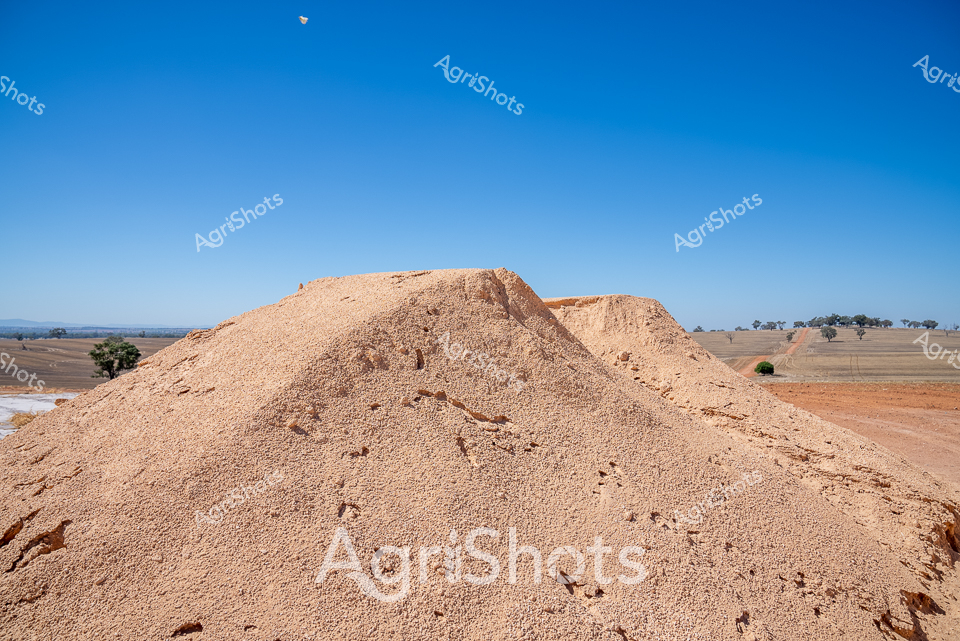
Towering against a cloudless cerulean sky, a massive mound of gypsum rises from the arid Riverina landscape, its pale terracotta hues contrasting sharply with the sun-bleached paddocks stretching to the horizon. The agricultural amendment pile stands as a testament to soil management practices, its textured surface revealing the granular composition of this critical mineral supplement used to improve soil structure and fertility in challenging dryland farming regions. Scattered trees punctuate the distant landscape, their sparse silhouettes emphasizing the vast, open expanses of this New South Wales agricultural heartland during the peak of summer. The gypsum heap represents a crucial investment in land rehabilitation, its carefully stockpiled volumes ready to be distributed across paddocks to combat soil salinity and enhance crop productivity in this demanding agricultural environment. Harsh sunlight accentuates the mound's contours, creating deep shadows and highlighting the mineral's raw, unprocessed texture - a stark reminder of the scientific precision and environmental stewardship integral to modern Australian agricultural practices.

About this image

Towering against a cloudless cerulean sky, a massive mound of gypsum rises from the arid Riverina landscape, its pale terracotta hues contrasting sharply with the sun-bleached paddocks stretching to the horizon. The agricultural amendment pile stands as a testament to soil management practices, its textured surface revealing the granular composition of this critical mineral supplement used to improve soil structure and fertility in challenging dryland farming regions. Scattered trees punctuate the distant landscape, their sparse silhouettes emphasizing the vast, open expanses of this New South Wales agricultural heartland during the peak of summer. The gypsum heap represents a crucial investment in land rehabilitation, its carefully stockpiled volumes ready to be distributed across paddocks to combat soil salinity and enhance crop productivity in this demanding agricultural environment. Harsh sunlight accentuates the mound's contours, creating deep shadows and highlighting the mineral's raw, unprocessed texture - a stark reminder of the scientific precision and environmental stewardship integral to modern Australian agricultural practices.

Similar media
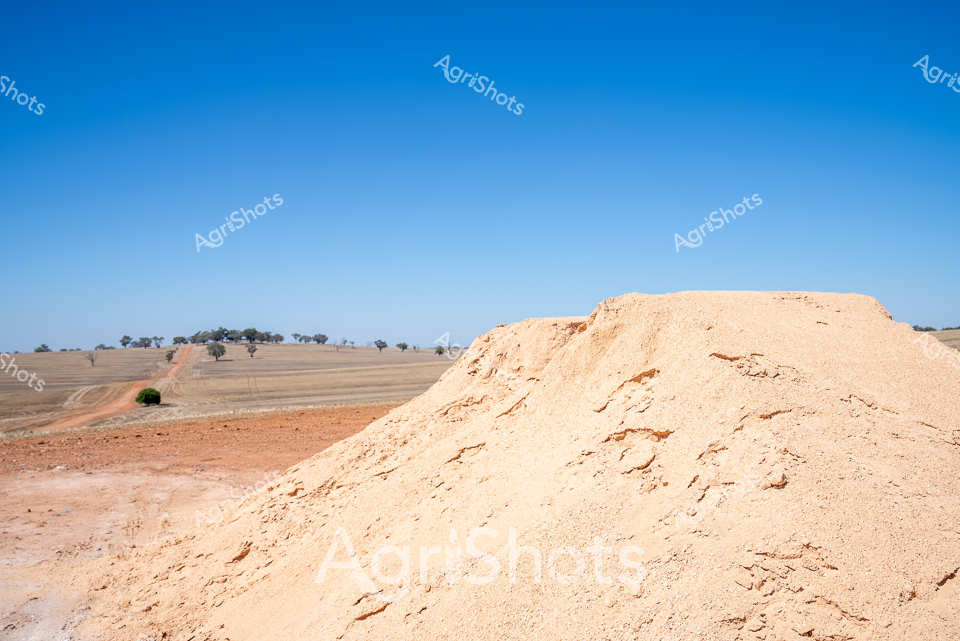
Towering against an expansive azure sky, a massive mound of gypsum rises from the arid agricultural landscape of the Riverina region in New South Wales. The pale sandy-beige pile dominates the foreground, its irregular surface textured with wind and machinery marks, suggesting recent mining or agricultural processing activity. In the mid-distance, a rust-colored dirt track winds through sparse paddocks, lined with scattered eucalyptus trees that punctuate the stark rural horizon. The harsh summer light bleaches the landscape, creating a palette of ochre, terracotta, and pale gold that speaks to the challenging agricultural environment of inland Australia. This gypsum heap represents a critical component of soil management - a mineral used to improve soil structure, reduce erosion, and enhance crop productivity in challenging dryland farming conditions. The image captures the raw, unadorned essence of agricultural resource management, where every element of the landscape is carefully considered and utilized to support farming sustainability. Image

Towering against an expansive azure sky, a massive mound of gypsum rises from the arid agricultural landscape of the Riverina region in New South Wales. The pale sandy-beige pile dominates the foreground, its irregular surface textured with wind and machinery marks, suggesting recent mining or agricultural processing activity. In the mid-distance, a rust-colored dirt track winds through sparse paddocks, lined with scattered eucalyptus trees that punctuate the stark rural horizon. The harsh summer light bleaches the landscape, creating a palette of ochre, terracotta, and pale gold that speaks to the challenging agricultural environment of inland Australia. This gypsum heap represents a critical component of soil management - a mineral used to improve soil structure, reduce erosion, and enhance crop productivity in challenging dryland farming conditions. The image captures the raw, unadorned essence of agricultural resource management, where every element of the landscape is carefully considered and utilized to support farming sustainability.
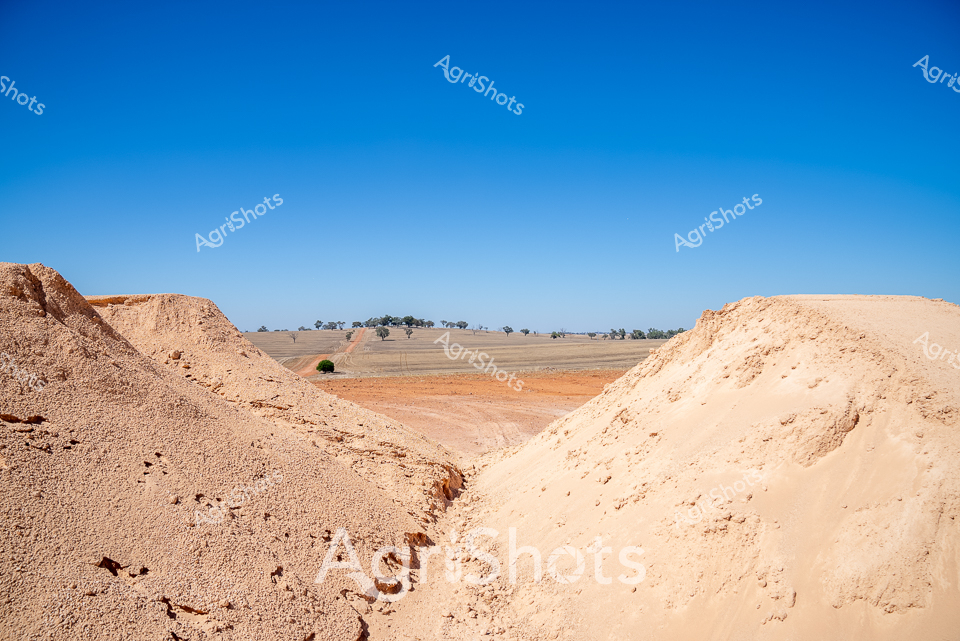
Harsh sunlight bathes the undulating earth of the Riverina, where weathered clay mounds of gypsum rise like sentinels against an azure sky. Deep ochre and pale sandy tones define the landscape, revealing the arid conditions of a late summer day in New South Wales. A subtle channel cuts between the gypsum hills, creating a natural pathway that hints at soil management strategies critical to agricultural resilience in this challenging environment. Sparse eucalyptus trees punctuate the distant horizon, their muted green a stark contrast to the terracotta-hued terrain, symbolizing the tenacious nature of Australian agricultural ecosystems. The raw, textured surface of the gypsum mounds suggests careful land preparation, likely part of a broader soil amendment process to improve agricultural productivity in this drought-prone region. The expansive, uninterrupted landscape embodies the raw beauty and scientific precision of modern dryland farming, where every contour and mineral deployment represents a calculated approach to sustainable land stewardship. Image

Harsh sunlight bathes the undulating earth of the Riverina, where weathered clay mounds of gypsum rise like sentinels against an azure sky. Deep ochre and pale sandy tones define the landscape, revealing the arid conditions of a late summer day in New South Wales. A subtle channel cuts between the gypsum hills, creating a natural pathway that hints at soil management strategies critical to agricultural resilience in this challenging environment. Sparse eucalyptus trees punctuate the distant horizon, their muted green a stark contrast to the terracotta-hued terrain, symbolizing the tenacious nature of Australian agricultural ecosystems. The raw, textured surface of the gypsum mounds suggests careful land preparation, likely part of a broader soil amendment process to improve agricultural productivity in this drought-prone region. The expansive, uninterrupted landscape embodies the raw beauty and scientific precision of modern dryland farming, where every contour and mineral deployment represents a calculated approach to sustainable land stewardship.
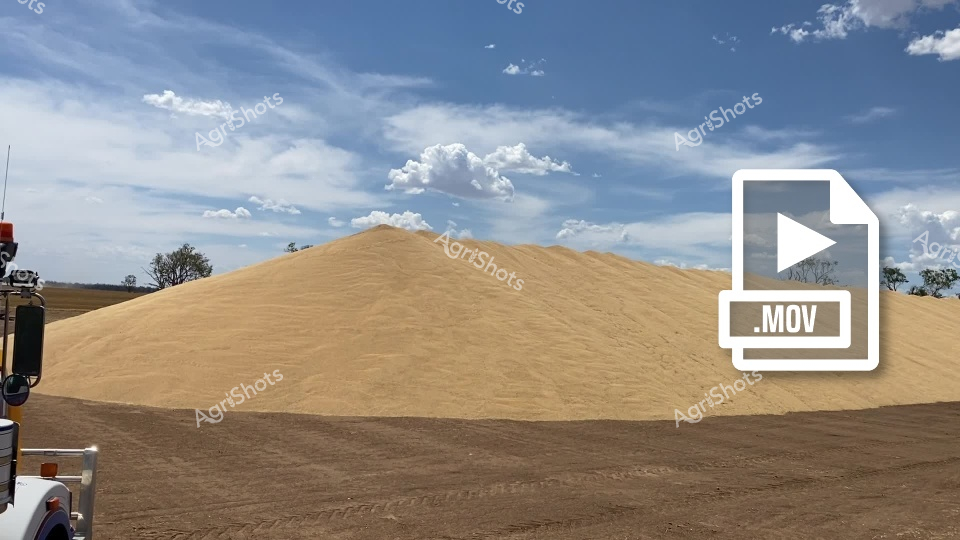
A massive pile of harvested golden wheat sits in an open-air bunker under a bright blue sky with fluffy clouds in New South Wales. Tractors and a Kenworth truck are visible nearby, indicating an active agricultural operation during harvest season. The large grain stockpile represents the successful culmination of farming efforts in this region. ▶ Video

A massive pile of harvested golden wheat sits in an open-air bunker under a bright blue sky with fluffy clouds in New South Wales. Tractors and a Kenworth truck are visible nearby, indicating an active agricultural operation during harvest season. The large grain stockpile represents the successful culmination of farming efforts in this region.
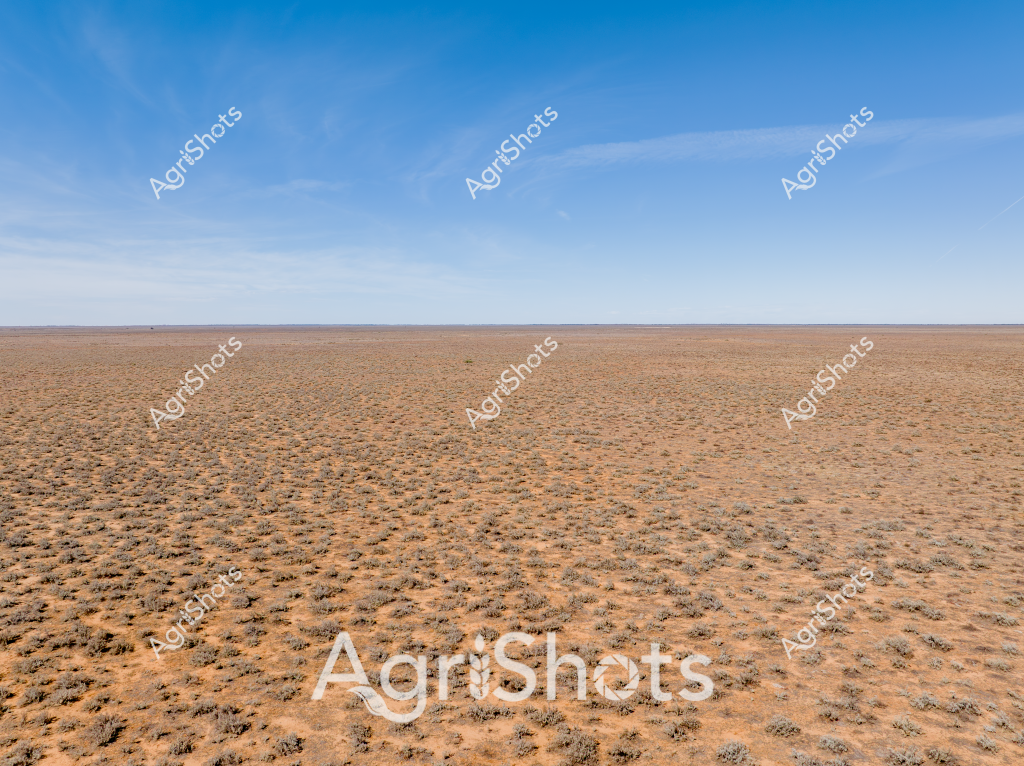
A vast, arid landscape stretches to the distant horizon, revealing a sparse, rocky terrain typical of Australia's dry inland regions. The ground is covered in a mottled pattern of reddish-brown earth interspersed with low, scattered sparse vegetation - characteristic of drought-affected pastoral lands. The sky is a clear, pale blue with subtle wispy clouds, suggesting an expansive and unforgiving environment that challenges agricultural productivity. This scene captures the harsh reality of drought conditions in the Australian outback, where vegetation struggles to survive in the minimal rainfall and extreme temperatures. The landscape speaks to the resilience required in Australian agriculture, where farmers and graziers must adapt to some of the most challenging environmental conditions on the planet.

The image provides a raw, unfiltered view of the Australian interior, showcasing the rugged terrain that defines much of the continent's agricultural frontier. Every detail emphasizes the stark, minimalist beauty of a landscape shaped by extreme climatic conditions. Image

A vast, arid landscape stretches to the distant horizon, revealing a sparse, rocky terrain typical of Australia's dry inland regions. The ground is covered in a mottled pattern of reddish-brown earth interspersed with low, scattered sparse vegetation - characteristic of drought-affected pastoral lands. The sky is a clear, pale blue with subtle wispy clouds, suggesting an expansive and unforgiving environment that challenges agricultural productivity. This scene captures the harsh reality of drought conditions in the Australian outback, where vegetation struggles to survive in the minimal rainfall and extreme temperatures. The landscape speaks to the resilience required in Australian agriculture, where farmers and graziers must adapt to some of the most challenging environmental conditions on the planet. The image provides a raw, unfiltered view of the Australian interior, showcasing the rugged terrain that defines much of the continent's agricultural frontier. Every detail emphasizes the stark, minimalist beauty of a landscape shaped by extreme climatic conditions.
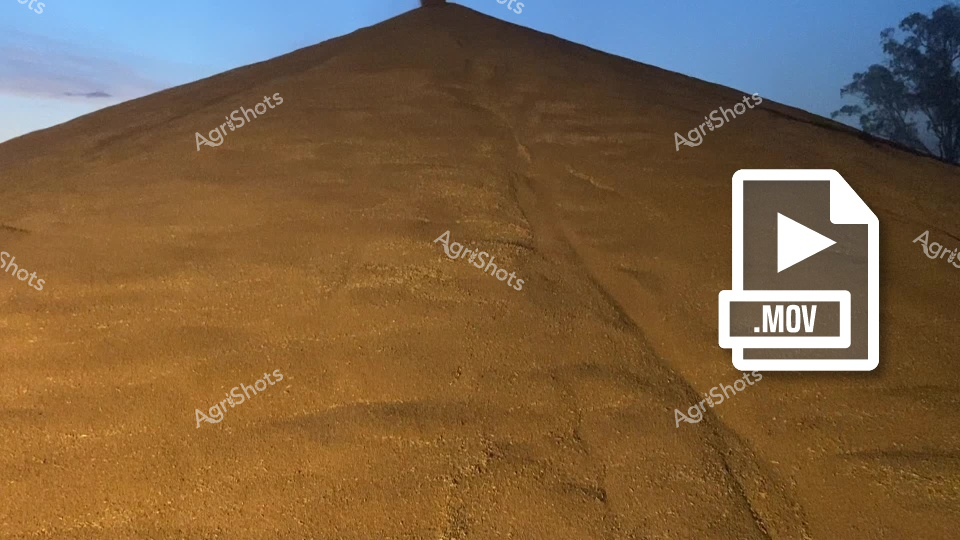
A golden wheat field at sunset in New South Wales captures the essence of harvest season. An auger is visible, suggesting grain is being transferred to a bunker for storage after a successful crop harvest. ▶ Video

A golden wheat field at sunset in New South Wales captures the essence of harvest season. An auger is visible, suggesting grain is being transferred to a bunker for storage after a successful crop harvest.

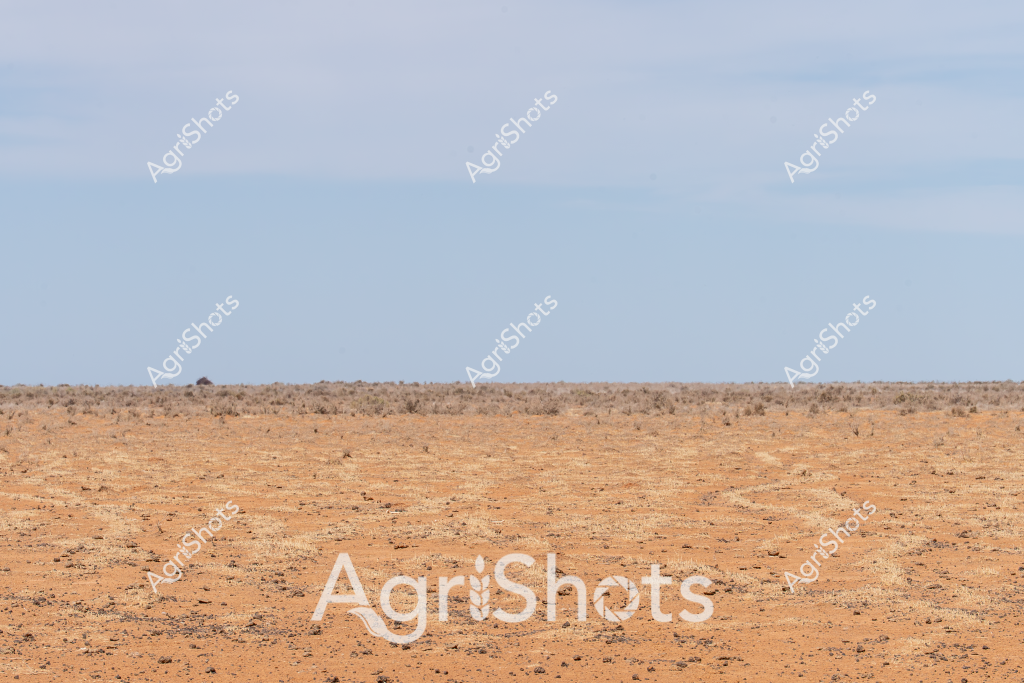
A barren, rust-colored landscape stretches beneath a pale blue sky, depicting an arid agricultural region experiencing severe drought conditions. The ground is parched and rocky, with sparse scattered low shrubs and minimal vegetation, creating a stark testimony to the harsh environmental challenges faced by Australian farmers. Small stones and compacted earth dominate the foreground, revealing a landscape that has been stripped of moisture and vitality. The horizon line is flat and uninterrupted, emphasizing the expansive and unforgiving nature of this drought-affected terrain. This image powerfully illustrates the environmental stress and resilience required in Australian agricultural landscapes, where farmers must constantly adapt to extreme climatic conditions.

The scene captures the raw, uncompromising reality of drought - a critical challenge for agricultural production in Australia's interior regions. The monochromatic palette of burnt orange, dusty brown, and pale blue communicates the severity of water scarcity and its profound impact on rural ecosystems and agricultural sustainability. Image

A barren, rust-colored landscape stretches beneath a pale blue sky, depicting an arid agricultural region experiencing severe drought conditions. The ground is parched and rocky, with sparse scattered low shrubs and minimal vegetation, creating a stark testimony to the harsh environmental challenges faced by Australian farmers. Small stones and compacted earth dominate the foreground, revealing a landscape that has been stripped of moisture and vitality. The horizon line is flat and uninterrupted, emphasizing the expansive and unforgiving nature of this drought-affected terrain. This image powerfully illustrates the environmental stress and resilience required in Australian agricultural landscapes, where farmers must constantly adapt to extreme climatic conditions. The scene captures the raw, uncompromising reality of drought - a critical challenge for agricultural production in Australia's interior regions. The monochromatic palette of burnt orange, dusty brown, and pale blue communicates the severity of water scarcity and its profound impact on rural ecosystems and agricultural sustainability.
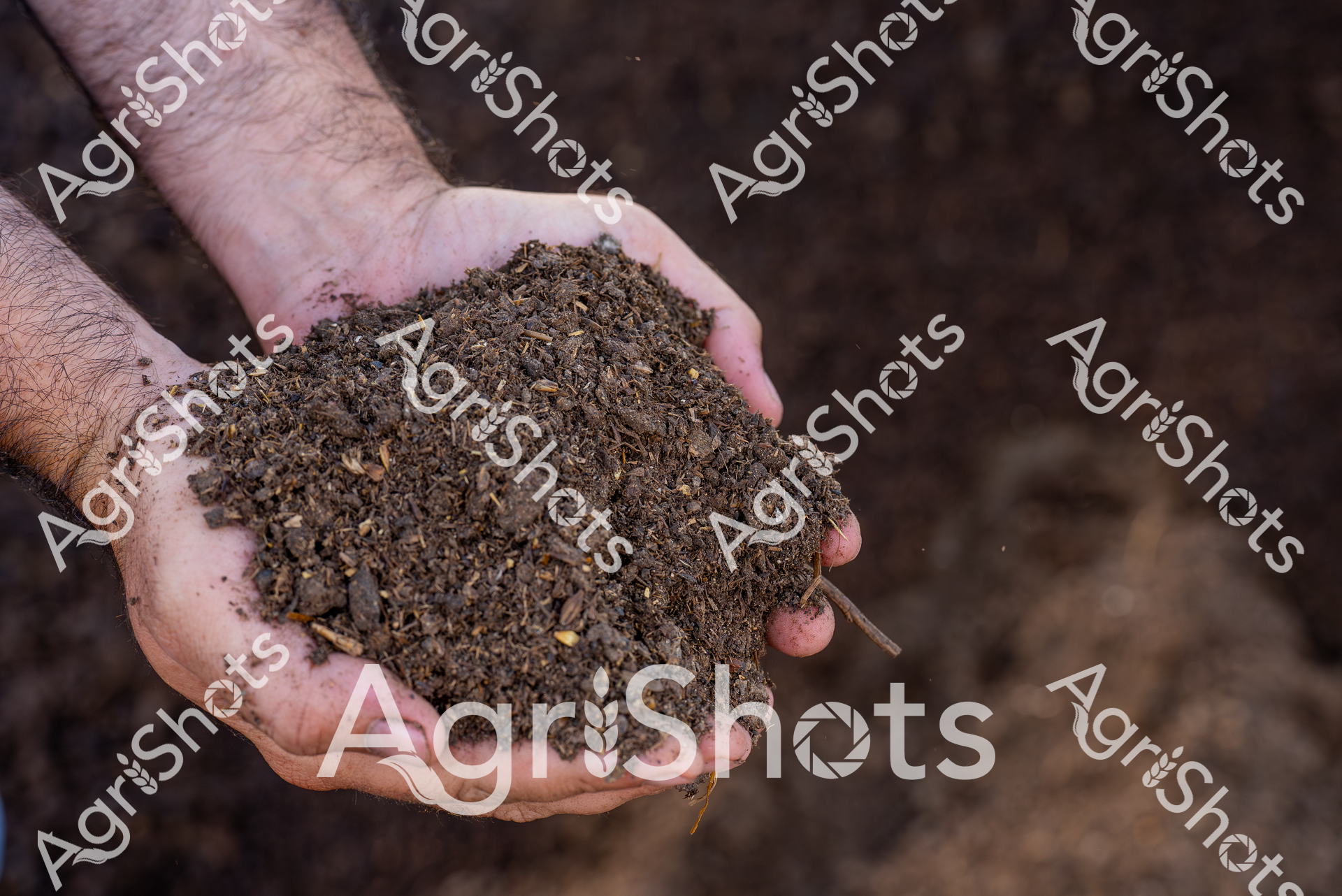
Rich, dark organic matter cradles between weathered hands, revealing the transformative power of agricultural recycling. This handful of composted feedlot waste represents the sustainable heart of Queensland's agricultural ecosystem, where waste becomes nutrition for future crops. Tiny seeds and fragments of organic material are suspended in the deep brown substrate, telling a story of nutrient cycling and environmental stewardship. The textured, granular composition suggests meticulous breakdown of agricultural byproducts, capturing the intense summer heat's role in decomposition. Rough, hair-covered hands grip the material with a sense of pride and purpose, highlighting the intimate connection between farmers and the land's regenerative processes. This image embodies the quiet alchemy of agricultural sustainability - where what was once discarded becomes a vital resource for future growth, symbolizing the intelligent and circular nature of modern farming practices. Image

Rich, dark organic matter cradles between weathered hands, revealing the transformative power of agricultural recycling. This handful of composted feedlot waste represents the sustainable heart of Queensland's agricultural ecosystem, where waste becomes nutrition for future crops. Tiny seeds and fragments of organic material are suspended in the deep brown substrate, telling a story of nutrient cycling and environmental stewardship. The textured, granular composition suggests meticulous breakdown of agricultural byproducts, capturing the intense summer heat's role in decomposition. Rough, hair-covered hands grip the material with a sense of pride and purpose, highlighting the intimate connection between farmers and the land's regenerative processes. This image embodies the quiet alchemy of agricultural sustainability - where what was once discarded becomes a vital resource for future growth, symbolizing the intelligent and circular nature of modern farming practices.
Rich, dark compost mounds rise like earthen waves, revealing the intricate textures of decomposing organic matter. Fragments of plant material, woody stems, and decaying debris interweave through the rich brown substrate, creating a complex tapestry of regenerative agricultural practice. This close-up captures the vital process of composting - transforming green waste and organic materials into nutrient-dense soil amendment that supports sustainable farming ecosystems. The granular, layered composition speaks to the intricate biological processes of decomposition, where microorganisms break down complex materials into simple, life-giving nutrients. Soft-focus background hints at a rural Victorian landscape, suggesting this composting operation is part of a broader regenerative farming strategy focused on soil health and waste reduction. The earthy palette of deep browns, ranging from rich chocolate to warm umber, highlights the textural complexity of this fundamental agricultural practice that turns waste into valuable resource. Image

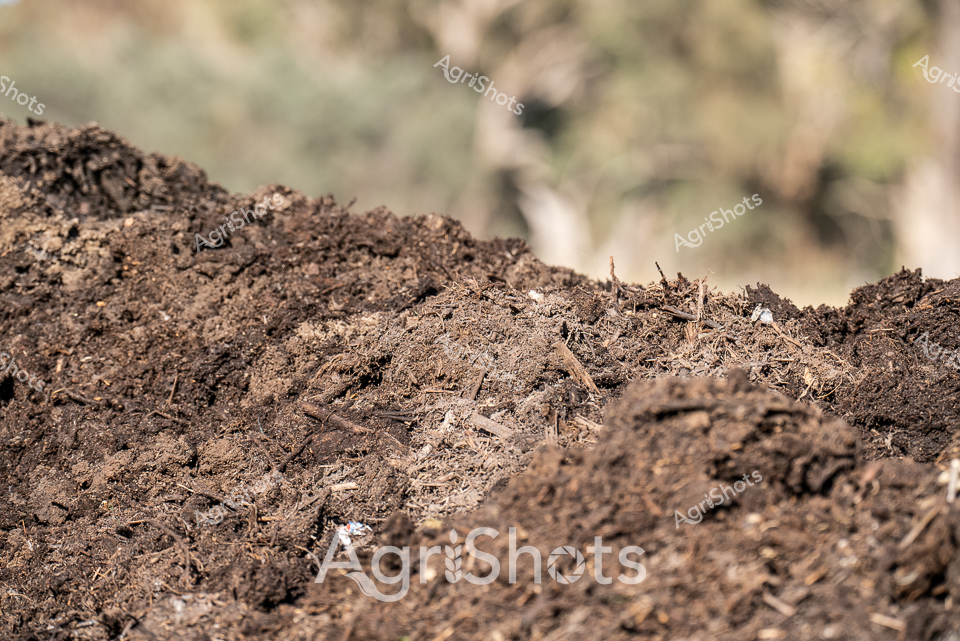
Rich, dark compost mounds rise like earthen waves, revealing the intricate textures of decomposing organic matter. Fragments of plant material, woody stems, and decaying debris interweave through the rich brown substrate, creating a complex tapestry of regenerative agricultural practice. This close-up captures the vital process of composting - transforming green waste and organic materials into nutrient-dense soil amendment that supports sustainable farming ecosystems. The granular, layered composition speaks to the intricate biological processes of decomposition, where microorganisms break down complex materials into simple, life-giving nutrients. Soft-focus background hints at a rural Victorian landscape, suggesting this composting operation is part of a broader regenerative farming strategy focused on soil health and waste reduction. The earthy palette of deep browns, ranging from rich chocolate to warm umber, highlights the textural complexity of this fundamental agricultural practice that turns waste into valuable resource.