About this image
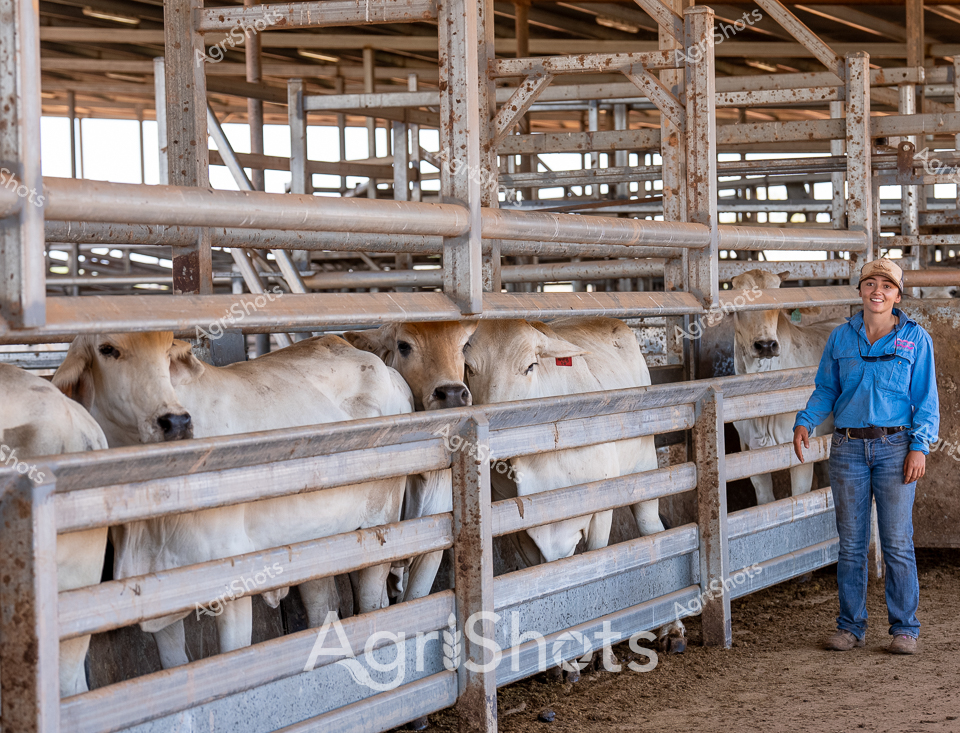
In the robust export yards of Adelaide River, Northern Territory, a seasoned cattle handler stands alongside a line of pristine Brahman cattle, their pale cream coats gleaming in the soft autumn light. The industrial steel-framed cattle yards create a structured backdrop of horizontal and vertical lines, showcasing the methodical nature of agricultural operations. Wearing a bright blue work shirt, sturdy jeans, and a protective cap, the agricultural worker exemplifies the professional approach of modern northern Australian cattle management. These distinctive Brahman cattle, known for their heat tolerance and resilience, are carefully positioned in individual holding pens, each animal displaying the breed's characteristic loose skin and prominent humps. The metallic infrastructure, weathered by years of use, tells a story of continuous agricultural activity in this challenging landscape. This scene captures the intersection of skilled animal husbandry, export preparation, and the critical role of women in Australian agricultural industries, highlighting the precision and care integral to livestock management in the Northern Territory.
Similar media
 Image
Image
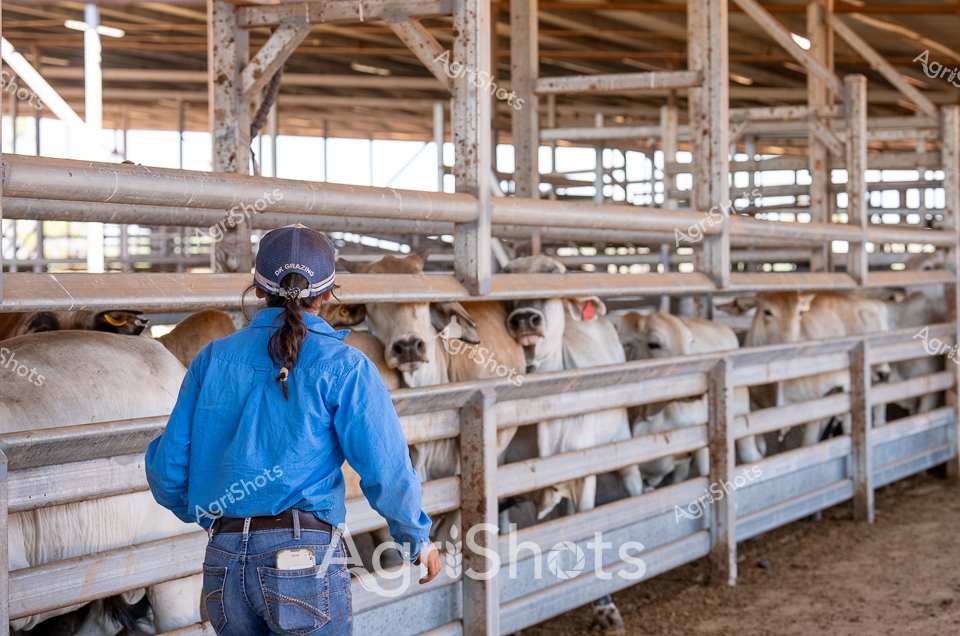
A seasoned livestock handler stands resolute in a robust timber and metal cattle yard, surveying a line of pristine Brahman cattle. Dressed in a vivid blue work shirt and a navy cap, the person faces away, embodying the quiet concentration of agricultural professionals. The cattle - pale, muscular, and alert - are penned in meticulously constructed wooden and metal gates, their distinctive broad heads and muscular frames characteristic of the resilient Brahman breed. Soft natural light filters through the structural framework of the shed, casting gentle shadows across the packed earth floor and highlighting the industrial yet carefully maintained agricultural infrastructure. This scene captures the precision and care integral to the Northern Territory's cattle export industry, where generations of expertise converge in the careful management of livestock. The image resonates with the unspoken rhythms of rural work - a testament to the skill, dedication, and understated strength of those who sustain Australia's agricultural heritage.
 Image
Image
Nestled within a sturdy wooden and metal livestock shed, a farm worker surveys a pen of pale cream-colored cattle. Wearing a blue long-sleeved shirt and a dark cap, the person stands with their back to the camera, observing the herd through metal fence railings. The robust timber frame of the shed allows soft natural light to filter through, creating a warm, textured environment of weathered wood and gleaming metal infrastructure. Rows of cattle stand quietly, their muscular bodies and distinctive faces revealing they are likely a beef breed common in Victoria's Wimmera region. The structured interior suggests a professional, well-maintained agricultural operation, with precise pen divisions and clean, orderly spaces. Winter's muted light casts subtle shadows across the shed, highlighting the calm, methodical atmosphere of routine livestock management - a quintessential scene of Australian agricultural practice.
 Image
Image
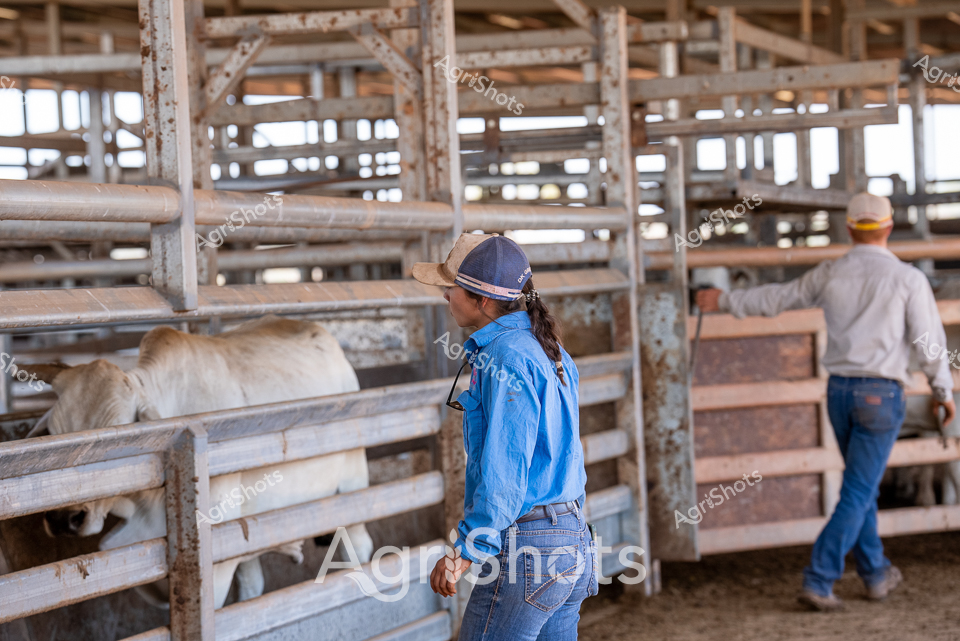
Dusty sunlight filters through the weathered timber yards as a stockwoman in a crisp blue workshirt surveys the pale Brahman cattle. Her weathered blue denim and wide-brimmed hat speak to generations of pastoral expertise, standing steadily amid the robust wooden drafting pens. Another worker in a neutral-toned shirt moves quietly in the background, their movements deliberate and measured within the expansive export yards of the Adelaide River region. These precision-built cattle yards, constructed from sturdy hardwood and metal bracing, represent the sophisticated infrastructure of Northern Territory's live export industry. The muted palette of blues, greys, and warm timber tones captures the disciplined yet organic rhythm of cattle management, where skill and animal instinct converge. This scene epitomizes the quiet professionalism of Australian agricultural workers - alert, capable, and deeply connected to the landscape and livestock that define their working world.
 Image
Image
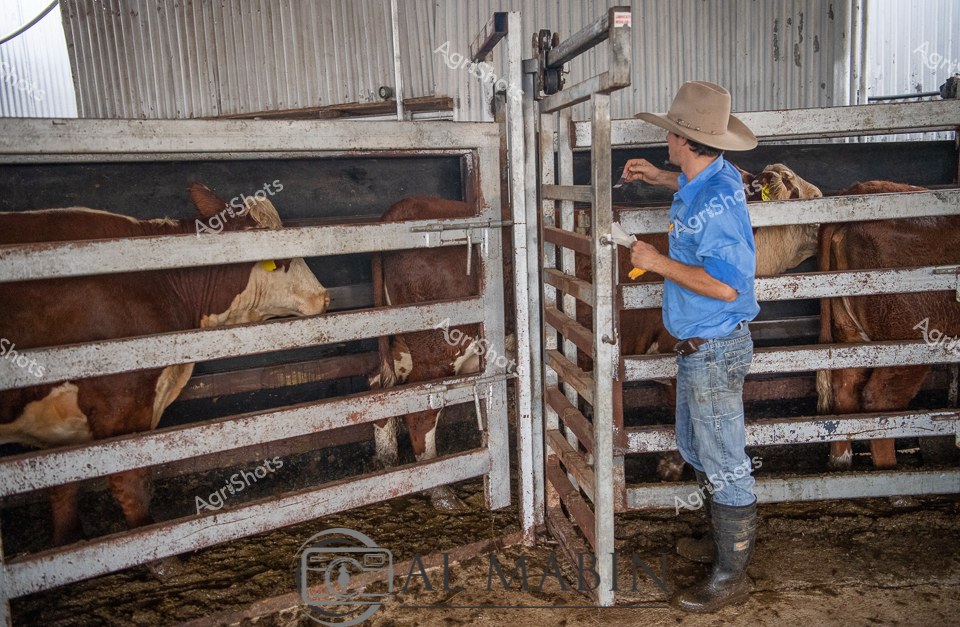
In a weathered steel cattle yard nestled in the New England region of New South Wales, a seasoned stockman tends to a pen of robust Hereford cattle. Wearing a crisp blue shirt, faded denim jeans, and a classic wide-brimmed stockman's hat, the farmer carefully manages the herd within tight metal livestock gates. The rich mahogany-red and white-faced Herefords stand quietly, their muscular frames pressed against weathered steel barriers, highlighting the rugged infrastructure of Australian cattle farming. The corrugated iron shed provides a stark, industrial backdrop to this quintessential agricultural scene, with soft natural light filtering across the earthy tones of dirt and straw. The stockman's precise movements suggest years of experience, handling the cattle with calm expertise typical of generational farming knowledge. His rubber boots and working attire blend seamlessly with the functional environment, emphasizing the practical nature of livestock management. Yellowed ear tags mark each animal, indicating careful breeding and tracking in this professional stud cattle operation. The image captures the intimate relationship between farmer and livestock, a fundamental narrative of Australian agricultural excellence.
 Image
Image
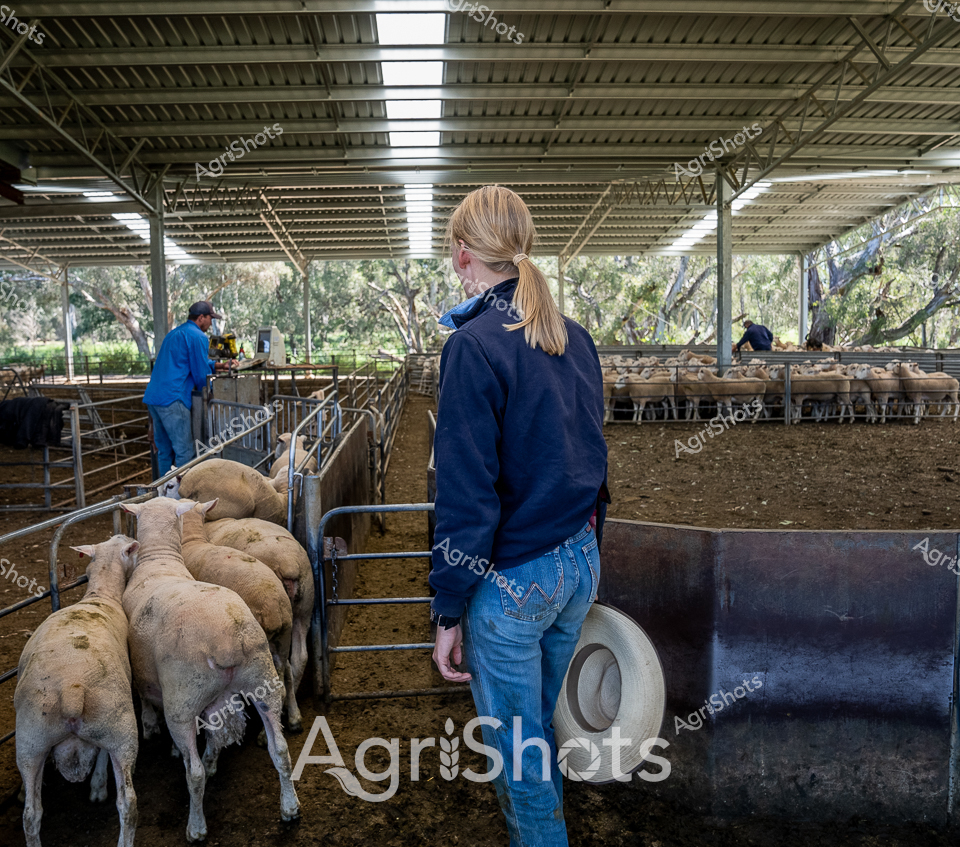
Rural precision unfolds in this meticulously composed agricultural scene from a contemporary sheep processing facility. A sheep handler in a midnight blue jacket and classic blue denim stands with quiet concentration, observing a pen of robust merino rams within a steel-framed undercover yard. Soft natural light filters through the industrial roof structure, illuminating the earthy textures of the livestock area - compacted dirt floors, metal gates, and the muscular frames of woolly sheep waiting for assessment. In the background, another worker in a vibrant blue jacket monitors activity, suggesting a collaborative workflow typical of modern agricultural operations. The scene captures the intersection of traditional farming practice and contemporary agricultural management, with careful attention to animal handling and genetic selection evident in the structured environment. Blonde hair pulled back and a classic wide-brimmed hat held casually communicate a sense of professional competence and connection to the land.
 Image
Image
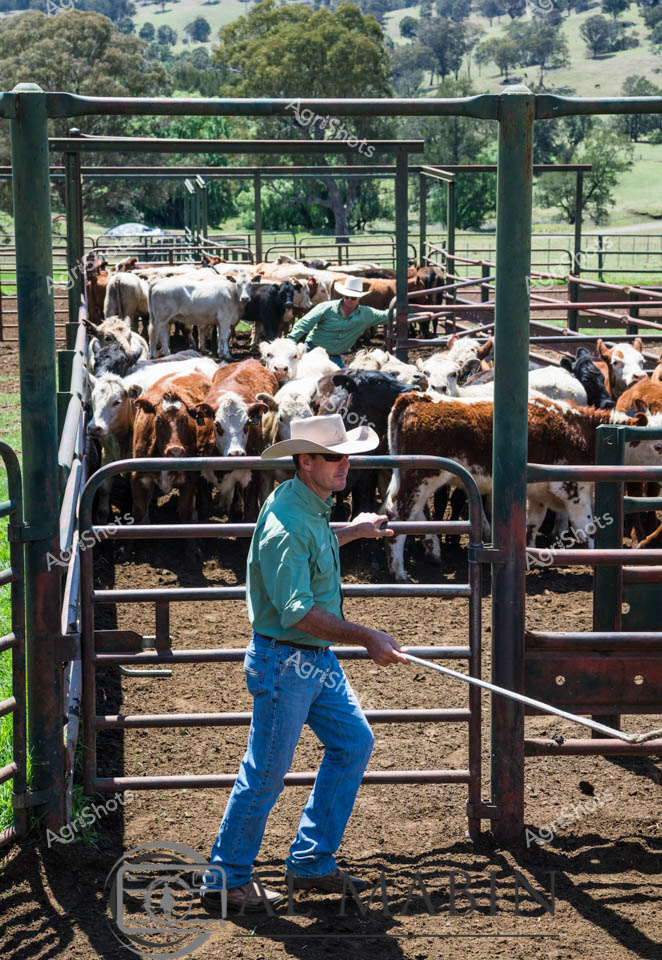
Nestled in the rolling pastoral landscape of rural New South Wales, a seasoned cattle handler manages a diverse herd within sturdy steel cattle yards. Wearing a classic teal work shirt and well-worn blue jeans, the stockman stands confidently among a tightly packed pen of mixed beef cattle - a vibrant palette of white, russet, black, and dappled coats. The metal gate frames him as he subtly guides and controls the movement of the herd, his stockman's hat and calm demeanor reflecting generations of agricultural expertise. The surrounding environment tells a rich story of Australian rural life - verdant green paddocks and scattered eucalyptus trees create a softly undulating backdrop, contrasting with the dusty earth of the working yards. Compact and muscular beef cattle breeds crowd the confined space, representing the backbone of local agricultural production. Precise metal infrastructure - green-painted gates and robust yard panels - demonstrates the sophisticated systems supporting modern livestock management. This image captures the nuanced choreography of cattle handling: part skill, part instinct, wholly embedded in the rhythms of Australian agricultural life. The scene pulses with quiet intensity, showcasing the understated mastery of a professional working closely with livestock in an iconic rural setting.
 Image
Image
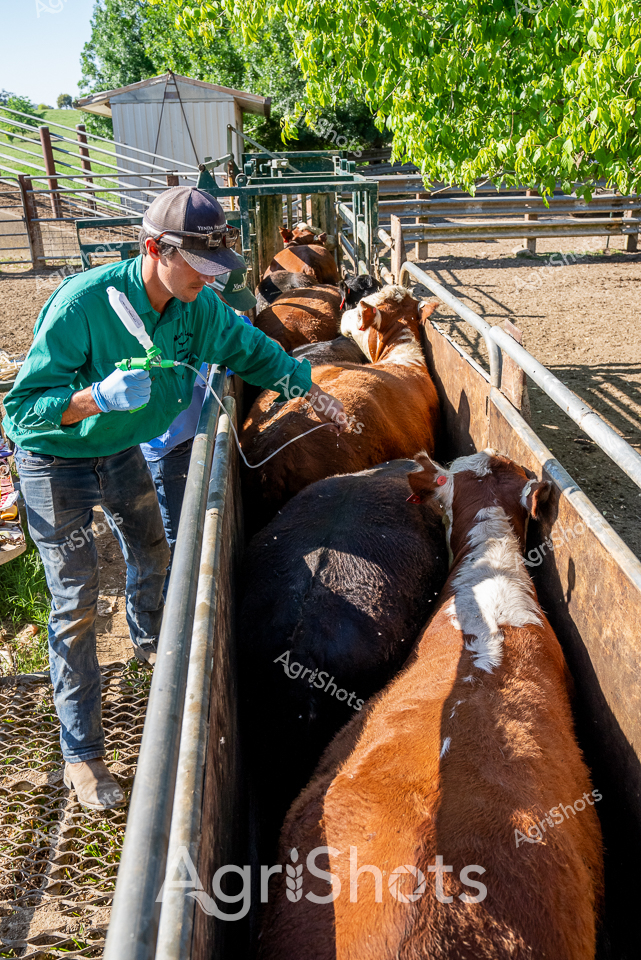
Crisp autumn sunlight bathes a Victorian cattle yard as a skilled livestock technician administers reproductive management techniques. Wearing a vibrant green long-sleeved shirt and a navy baseball cap, the worker carefully handles specialized artificial insemination equipment alongside a row of Hereford and Angus cross heifers. The compact cattle chute restrains the mixed-breed bovines - rich russet and deep chocolate brown animals with occasional white markings - creating an orderly line for precise veterinary intervention. Stainless steel gates and metal infrastructure frame the scene, with a weathered farm shed visible in the background and verdant trees providing soft green contrast. The technician's focused posture and careful handling demonstrate the precision of modern agricultural reproductive technologies, highlighting the intersection of scientific methodology and traditional livestock management. Each heifer stands quietly, reflecting years of careful breeding and animal handling expertise. This image captures the methodical, professional approach of contemporary cattle production, where advanced reproductive techniques ensure genetic progression and herd quality. The crisp details, rich earth tones, and clinical yet pastoral setting exemplify the sophisticated nature of Australian agricultural practice.
 Image
Image
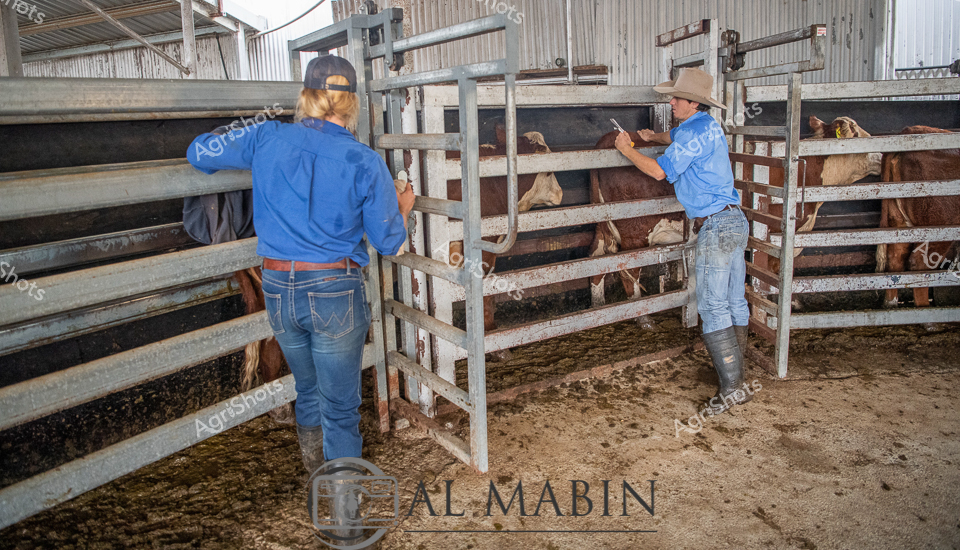
Cattlemen assess a pen of Hereford steers in a steel-framed livestock handling facility, their blue workshirts and denim creating a crisp uniform against the weathered metal infrastructure. One worker wearing a wide-brimmed hat carefully examines the herd, while the other stands ready to assist, both demonstrating the precise, methodical approach of professional cattle management. The sturdy metal gates and solid wooden flooring of the holding pen speak to generations of agricultural engineering designed for animal welfare and efficient stock handling. Rich brown and cream-colored Herefords press against the railings, their muscular frames and distinctive white faces characteristic of this prized beef breed, popular throughout New England's high country. Soft afternoon light filters through the corrugated steel shed, casting subtle shadows and highlighting the textured surfaces of earth, hide, and metal. This scene captures the quiet expertise of Australian livestock professionals, where generations of agricultural knowledge converge in a moment of careful stock assessment.